
Last updated November 25, 2026
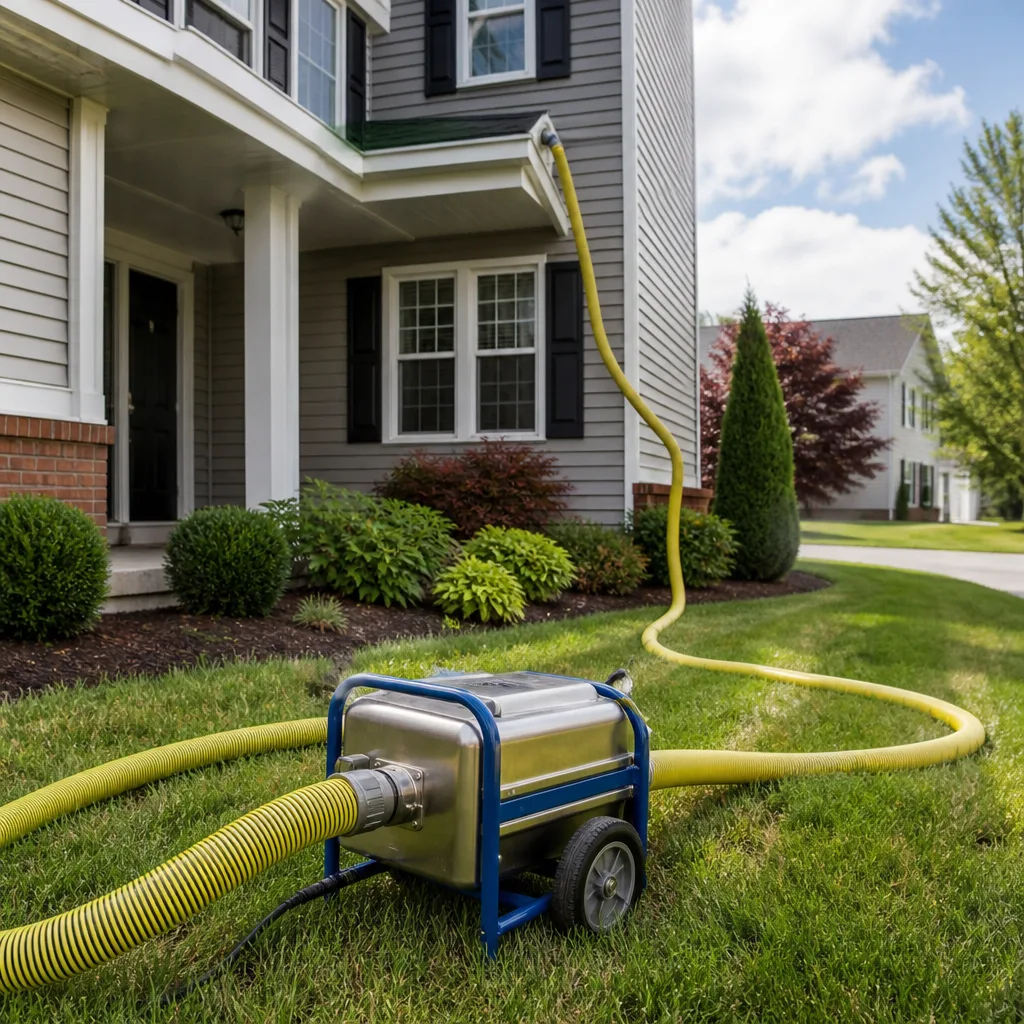 Whole-home duct cleaning
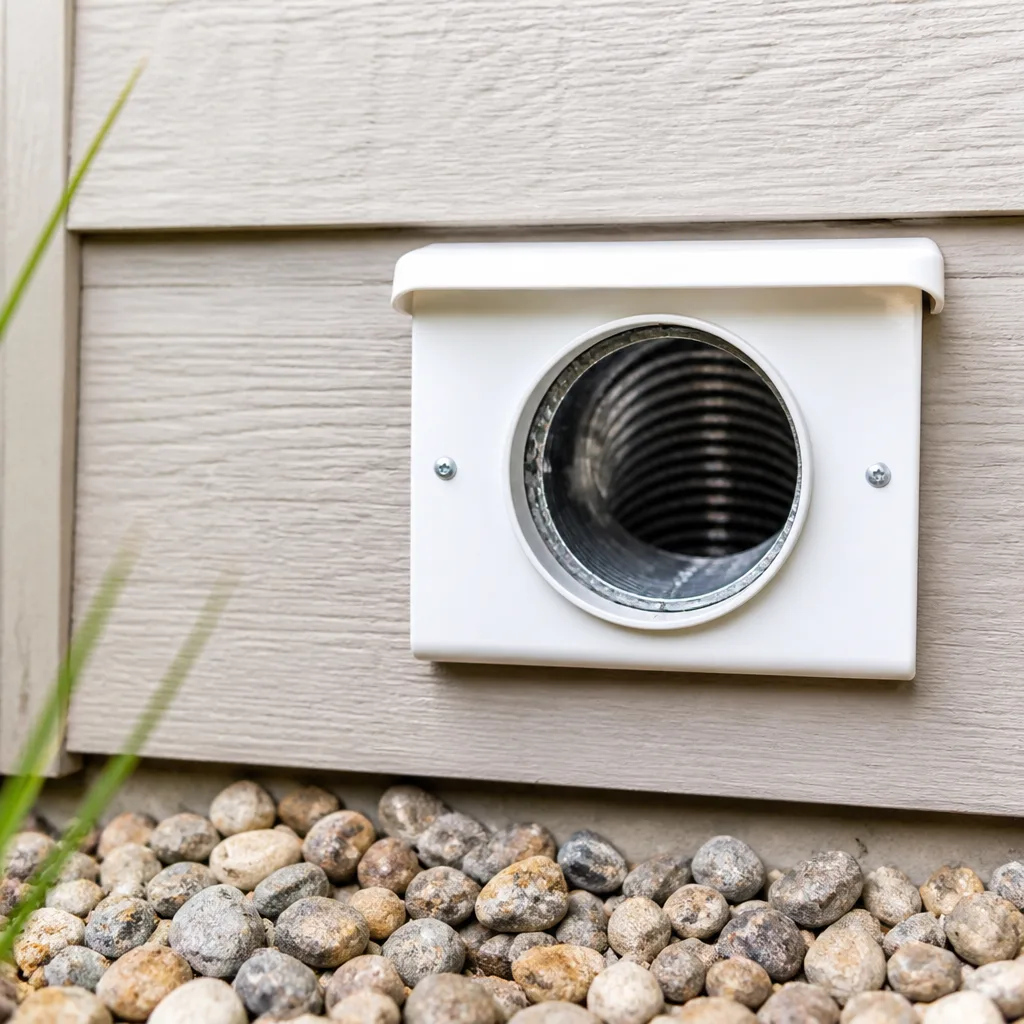 Dryer vent cleaning
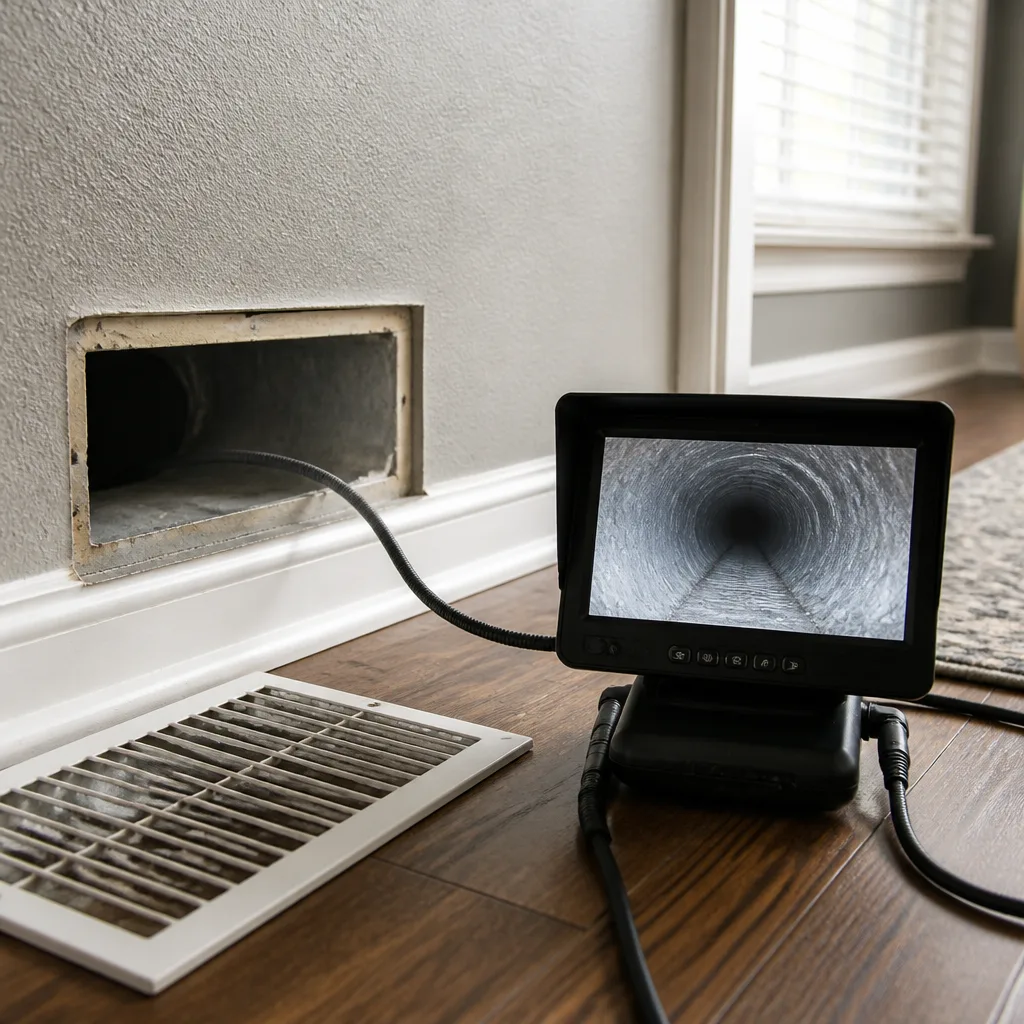 Camera inspection
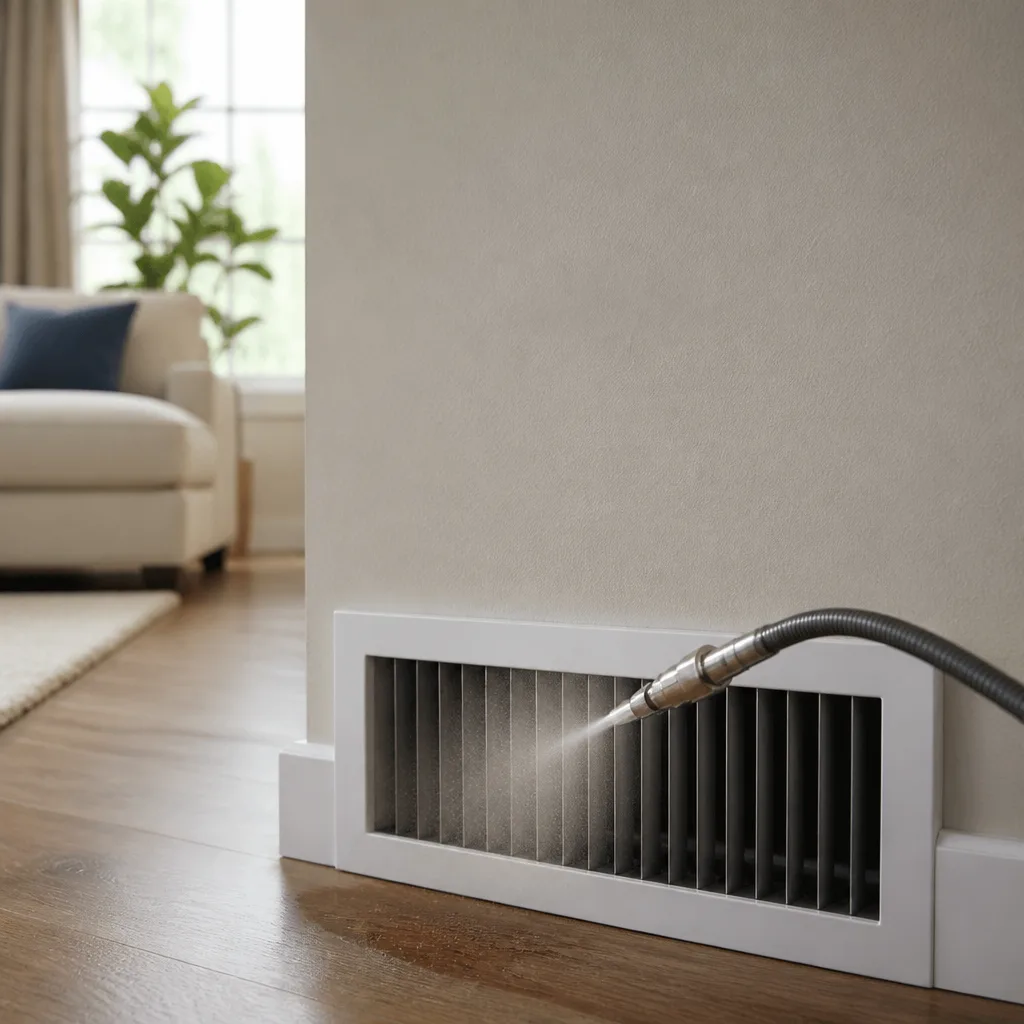 Sanitizing & deodorizing
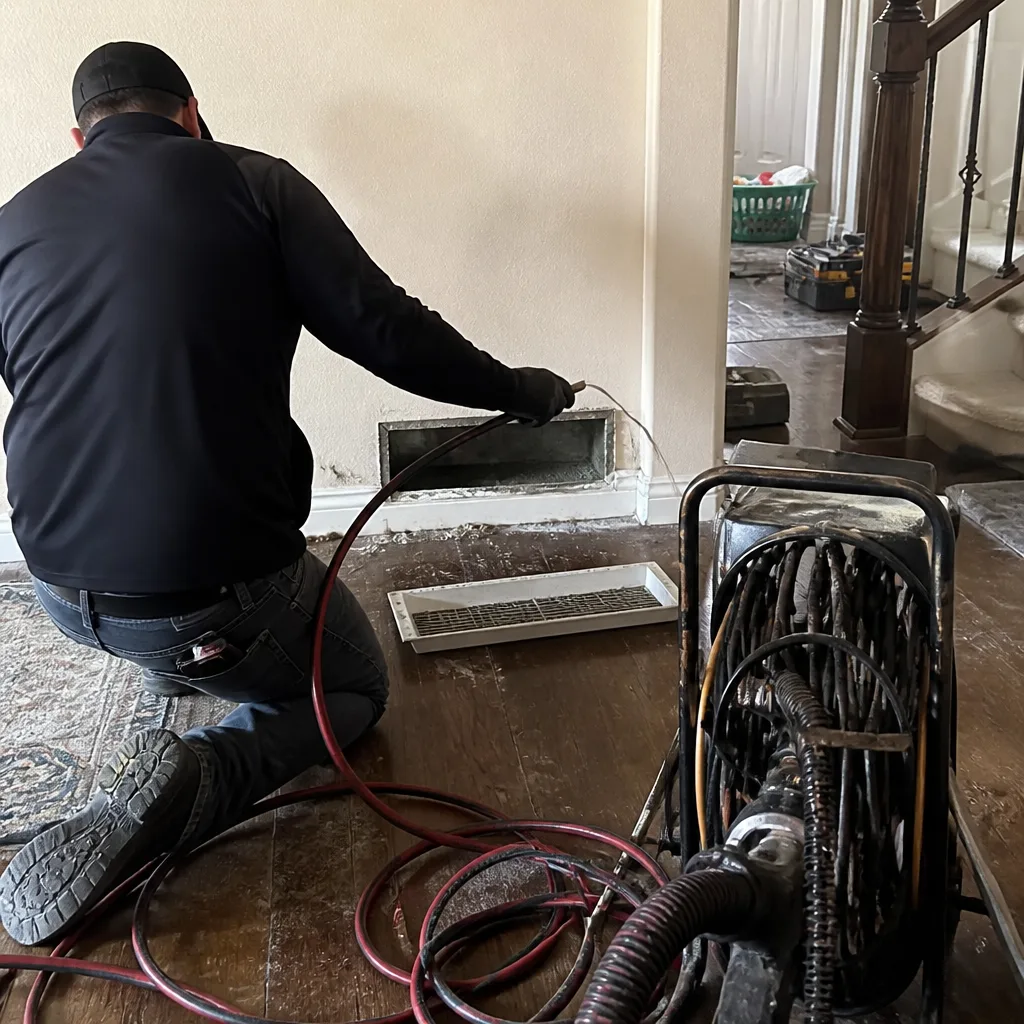
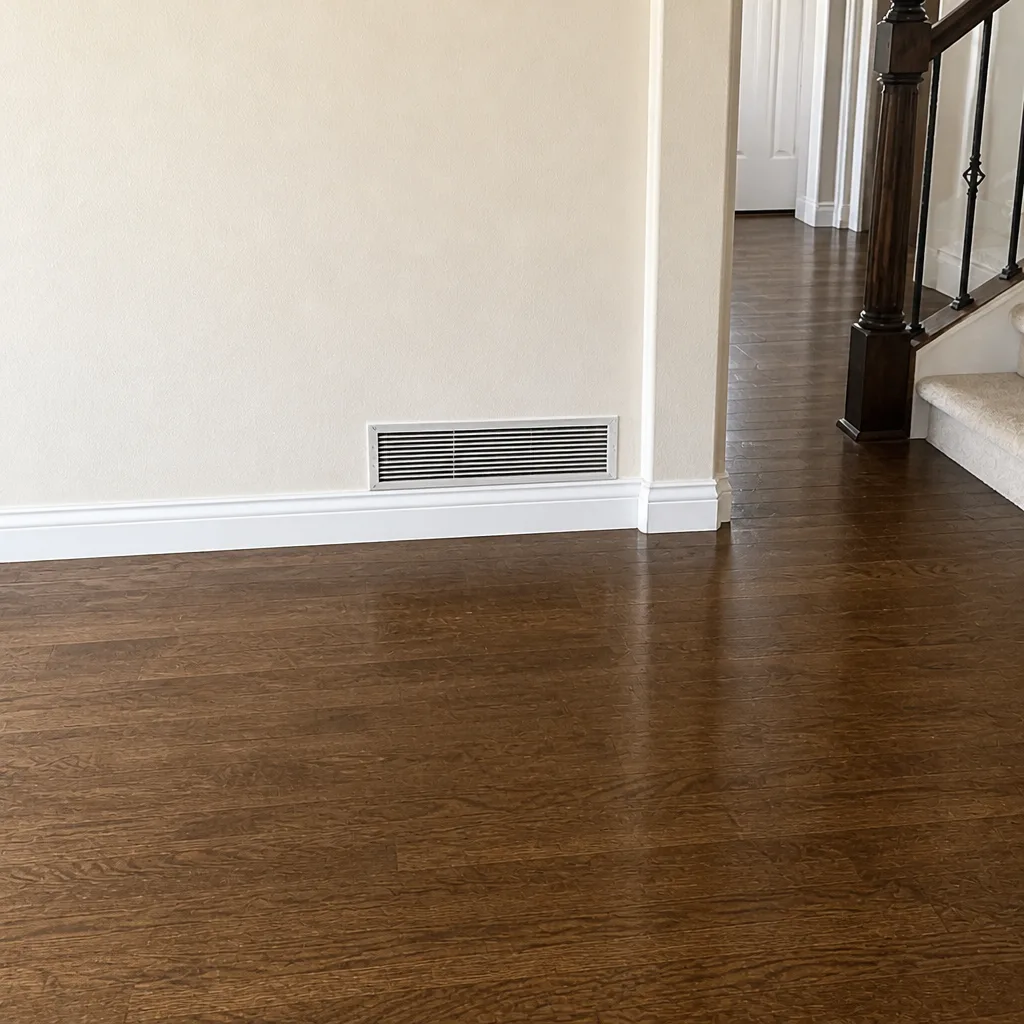
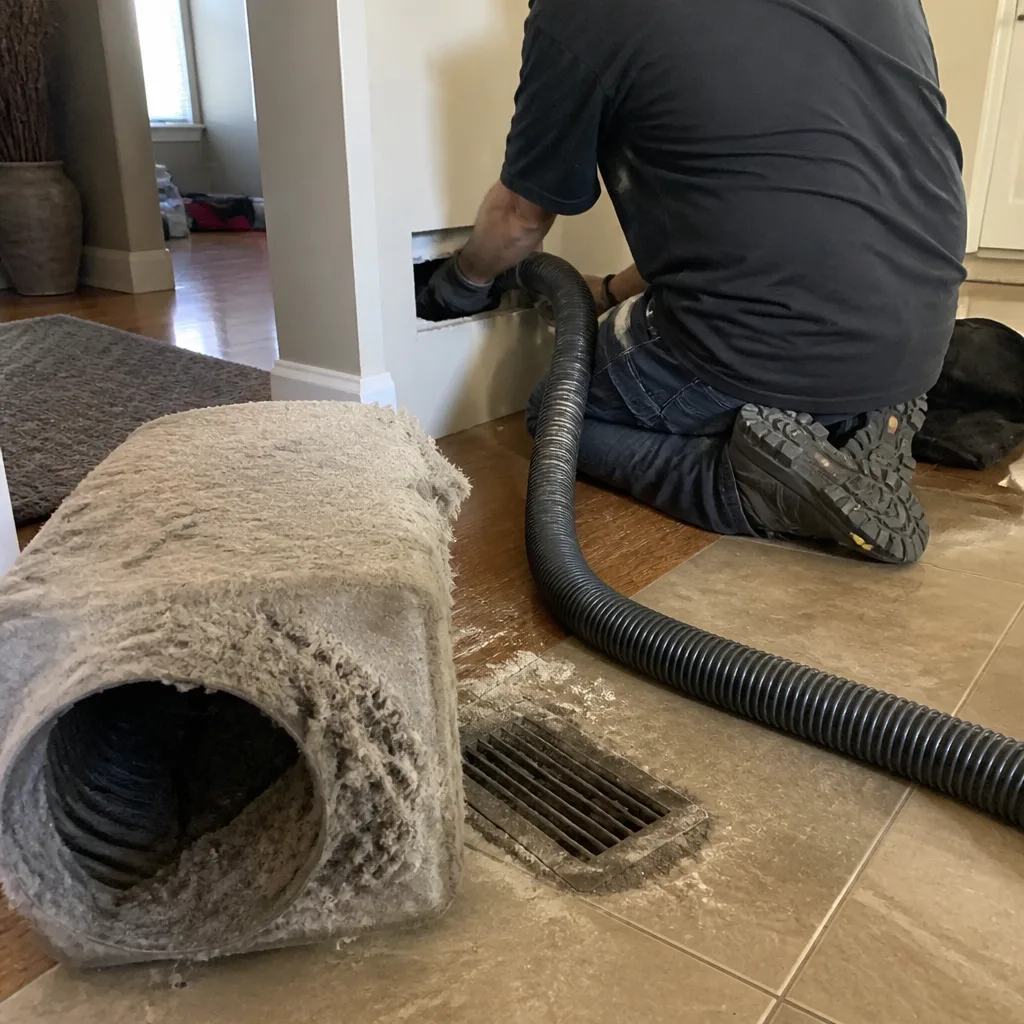
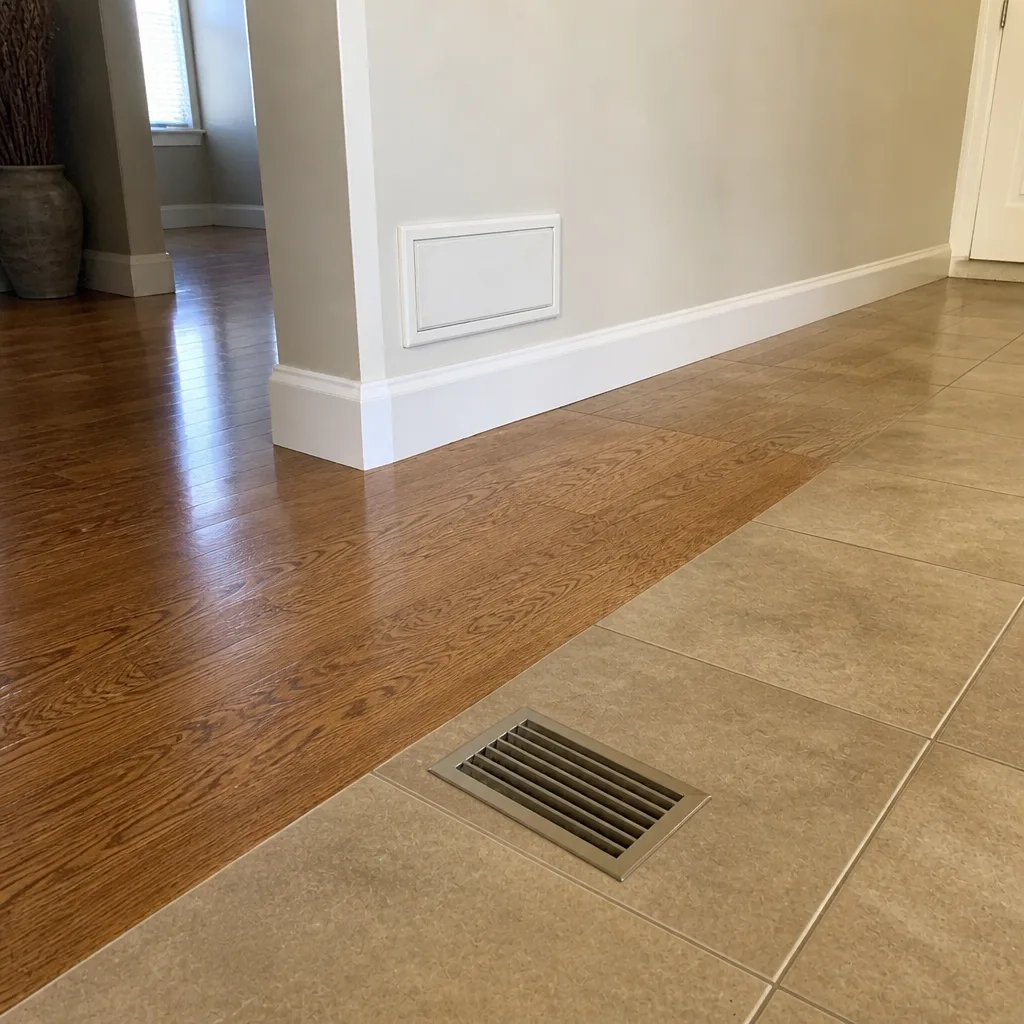
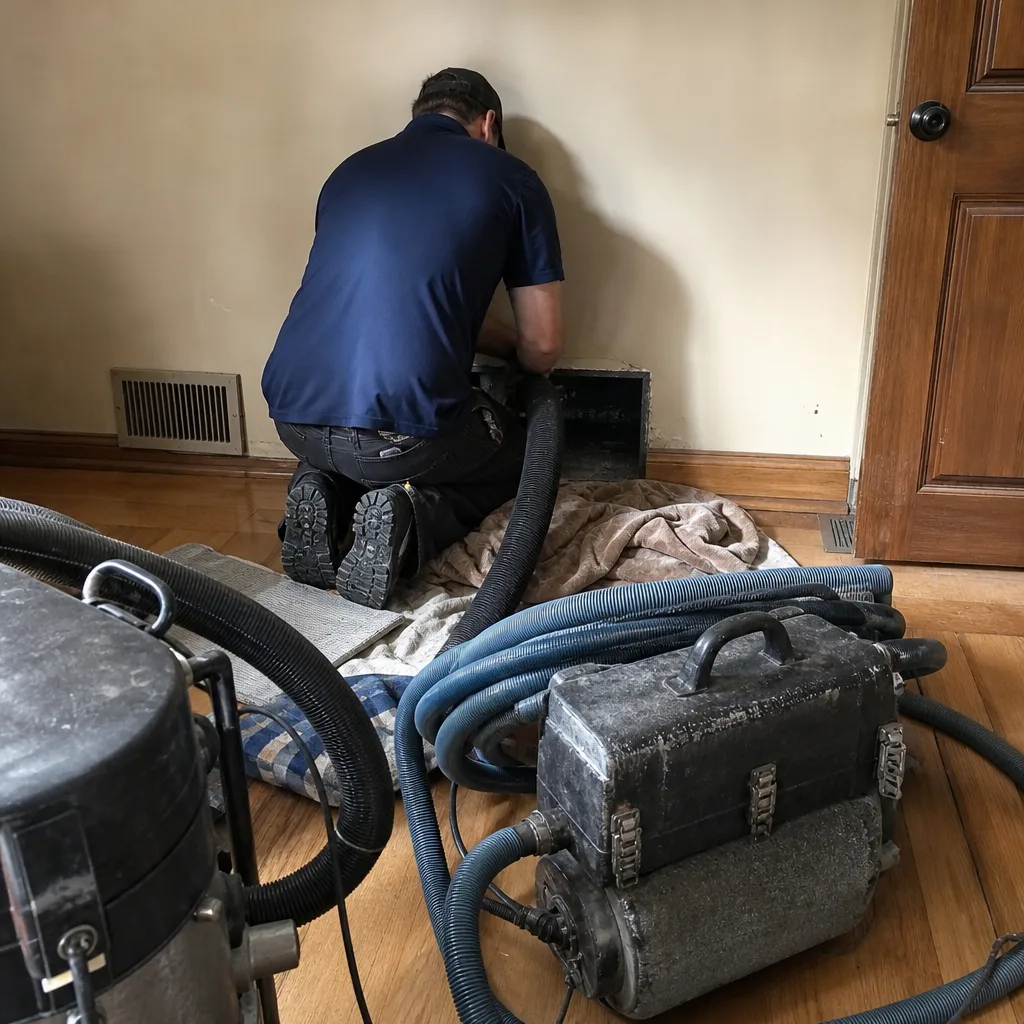
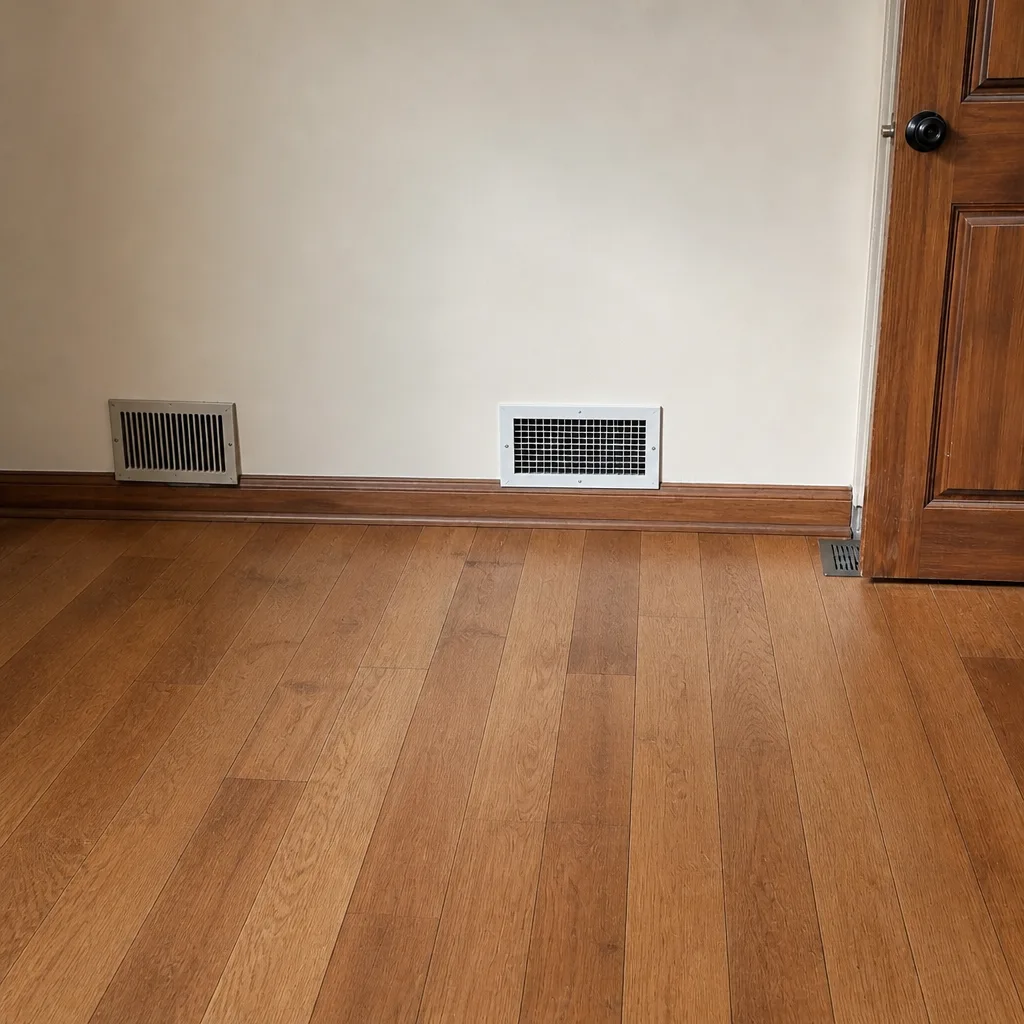
Whole-system duct and dryer vent check with before-and-after photos - you see exactly what came out of your vents
That "$99 whole-house special" is a bait ad - the real number appears once they are in your hallway, or the "clean" is a shop-vac at the register. We photograph the inside of your ducts before and after instead.
How to Hire an Air Duct Cleaning Contractor in Washington Park: A Step-by-Step Guide
There is no Colorado state license required to clean air ducts. That single fact explains almost everything that goes wrong in this trade. The operator running a shop vac out of a hatchback and the full-remediation specialist with truck-mounted HEPA extraction are working under the same regulatory umbrella, because Colorado doesn’t require a license for duct cleaning at all. So the license check that protects you when you hire an electrician or a plumber doesn’t exist here. What replaces it? Equipment questions. Process questions. Documentation requirements. This guide walks you through the exact vetting framework we use when we explain our own work to Washington Park homeowners, including the specific equipment questions most people never think to ask. By the end, you’ll know how to separate a technician with professional-grade systems from an operator running consumer equipment at commercial prices.
Quick Answer
To hire an air duct cleaning contractor in Washington Park, verify the equipment first: ask for the make and model of their vacuum system and whether it’s a contact-vacuum unit like a Rotobrush or a HEPA extraction system like a Nikro. Then confirm NADCA membership (the National Air Duct Cleaners Association), request a written scope of work before any work begins, and insist on before-and-after photos of your own ducts. Price should be quoted per system, not per vent, and the estimate should be free. Colorado doesn’t license duct cleaners, so equipment and documentation are your only real filters.
Styles & brands we work with
- Whole-home duct cleaning
- Dryer vent cleaning
- Camera inspection
- Sanitizing & deodorizing
Table of Contents
- Why Colorado Doesn’t License Duct Cleaners (And What That Means for You)
- The Equipment Questions That Separate Professionals From Pretenders
- NADCA Membership vs. Certifications You Should Question
- How to Compare Quotes on Scope, Not Just Price
- Red Flags Specific to Low-Bid Operators in Washington Park
- What a Legitimate Job Proposal Should Include in Writing
- What a Proper Full-System Cleaning Actually Involves
- Duct Sealing and Sanitizing: The Steps Most Contractors Skip
Why Colorado Doesn’t License Duct Cleaners (And What That Means for You)
The State of Colorado does not require a license to perform air duct cleaning. There’s no state exam, no continuing education requirement, no bonding minimum specific to the trade. That’s not a loophole; it’s simply how the trade is classified in Colorado. The practical result is that anyone with a business license, a vacuum, and a truck can advertise duct cleaning tomorrow.
What this means for a Washington Park homeowner is that the vetting burden shifts entirely onto you. In licensed trades, the state has already done a first-pass check on competence. In duct cleaning, you’re the check. The contractors who take the work seriously know this, and they’ll volunteer the information that distinguishes them without being pushed. The ones who don’t will deflect equipment questions and steer the conversation back to price.
Washington Park’s housing stock makes the stakes higher than in newer subdivisions. The neighborhood’s older homes, many built in the 1920s through the 1950s, have ductwork that was sized and installed decades before modern filtration standards. Some of that ductwork has been retrofitted more than once. Some has never been properly sealed. A quick surface clean on that kind of system doesn’t address what’s actually happening inside it.
Here’s the framework we recommend, and the rest of this guide breaks it down:
- Ask about equipment by name and model, not just “do you have professional equipment.”
- Verify NADCA membership independently.
- Request a written scope of work before anyone shows up.
- Compare quotes by scope, not headline price.
- Require before-and-after documentation of your own system.
- Ask whether they can seal and repair ducts, not just clean them.
If a contractor can’t answer the questions in this guide clearly, that’s your answer. Move on. For a broader overview of what the work itself entails, see our air duct cleaning service explanation.
The Equipment Questions That Separate Professionals From Pretenders
The single most revealing question you can ask a duct cleaning contractor is: “What’s the make and model of your vacuum system, and what’s its CFM rating?” CFM stands for cubic feet per minute, and it’s the measure of how much air the system moves. A consumer shop vac tops out around 150 to 200 CFM. Professional contact-vacuum systems like the Rotobrush line operate at considerably higher capacity and use a rotating brush inside the ductwork while pulling under negative pressure. HEPA extraction units like Nikro systems are built for capturing the fine particulate that a shop vac simply recirculates back into your air.
Here’s what acceptable answers look like, and what should make you hesitate:
- Acceptable: The contractor names a specific professional-grade brand. Rotobrush, Nikro, and Abatement Technologies are the names to listen for. These are the systems remediation contractors use on contamination work.
- Acceptable: They can explain what negative pressure means and why it matters. In plain terms, the system should pull air out of the ducts and capture it, not blow it around.
- Concerning: Vague answers like “we use commercial equipment” or “industrial-grade vacuums.” If they can’t name the equipment, they probably don’t own professional equipment.
- Concerning: A single shop vac and a drill-mounted brush. That’s not duct cleaning; it’s surface agitation.
- Concerning: No mention of HEPA filtration. Duct dust is fine particulate, and a system without adequate HEPA capture puts it back in your air.
We use Rotobrush contact-vacuum systems, Nikro HEPA extraction units, and Abatement Technologies air scrubbers on the jobs we connect homeowners to through Washington Park. These aren’t the only acceptable brands in the trade, but they’re the benchmark. When you ask a contractor which system they run, you’re really asking whether they’ve invested in the tools the trade actually requires. That question has a correct answer and several evasive ones.
What about the brush and agitation side?
Vacuum capacity alone doesn’t clean a duct. You need mechanical agitation to loosen the debris that’s adhered to the interior walls. Professional systems pair a rotating brush or air-whipping tool with the vacuum so the loosened material is pulled out in the same pass. If a contractor describes only a vacuum and no agitation method, that’s a sign they’re cleaning the air moving through the duct, not the duct itself. Ask specifically how they agitate the interior surfaces. The answer tells you whether their process is complete.
NADCA Membership vs. Certifications You Should Question
NADCA membership is the closest thing the air duct cleaning industry has to a real credential, and it’s worth understanding what it actually represents. The National Air Duct Cleaners Association is a trade organization that publishes the industry’s assessment, cleaning, and restoration standards. A member company has agreed to adhere to those standards. Membership is verifiable directly through the NADCA website, which is why we recommend you check it yourself rather than taking a screenshot or a certificate photocopy at face value.
NADCA also issues a separate certification for individual technicians, called the Air Systems Cleaning Specialist (ASCS) credential. That’s different from company membership. When you check a contractor, verify both: is the company a member, and are the technicians on your job certified? The full picture matters more than either element alone.
Here’s where it gets murky. Duct cleaning is full of certifications that exist only because the issuing organization sells training and certificates. Some are legitimate professional development. Others are a logo on a van. How do you tell?
- Check the issuer. Is the certifying body a recognized trade association or an independent credentialing organization? Or is it a company that also sells the certification business owners buy?
- Check independence. A certification issued by the company that sells you the equipment isn’t worthless, but it isn’t independent. Treat it as a product endorsement, not a credential.
- Check for verification. Legitimate credentials can be looked up publicly. If a contractor lists a certification you can’t verify, ask the company directly for the underlying organization.
In Washington Park, we’ve talked to enough homeowners who were quoted a job by an operator waving a laminated certificate to know the checklist works both ways. If you call Air Duct Cleaning Washington Park and we can’t substantiate a claim we make about credentials or equipment, that’s a problem with us, not with you. Verify.
How to Compare Quotes on Scope, Not Just Price
A lower quote on a smaller scope isn’t a cheaper job; it’s a different job. The mistake most homeowners make is comparing total dollars across quotes that cover different amounts of work. To compare fairly, you need every quote to specify the same line items. Here’s the structure you should require:
| What to Compare | What a Complete Quote Specifies |
|---|---|
| Systems covered | Supply ducts, return ducts, and registers/grilles – listed separately |
| HVAC components | Whether the air handler, coils, and blower are included in the cleaning |
| Equipment | Brand and type of vacuum system used (Rotobrush, Nikro, etc.) |
| Sanitizing | Whether antimicrobial treatment is included, optional, or excluded |
| Sealing and repair | Whether duct sealing is part of the job or a separate line |
| Documentation | Before-and-after photos and a written report of findings |
| Pricing basis | Per-system total, with the estimate stated in writing |
Two contractors quoting the same total with completely different scope line items aren’t offering comparable jobs. A quote that covers “ducts” without saying supply or return, and a quote that covers both plus a blower cleaning, are doing different work. Ask each contractor to fill in the same column.
One further point on pricing: per-vent pricing is a poor structure for this trade. Vent count doesn’t reliably correlate with the volume of ductwork or the condition of the system. Per-system pricing makes the job evaluable. When a quote comes in at a suspiciously low number, ask what’s excluded. The answer is usually sanitizing, sealing, documentation, or all three. If you want a clear side-by-side on what’s included in a proper job, look at how HVAC cleaning rounds out the full system.
Red Flags Specific to Low-Bid Operators in Washington Park
The red flags in this trade are consistent enough that we tell homeowners a short list of tells before they start collecting quotes. If you hear any of these during the conversation, you’ve learned what you need.
- Upsell pressure after arrival. A quote turns into a longer price after the technician is on site with equipment unloaded. A legitimate job proposal is agreed before work begins, and the final price matches the written estimate.
- No before-and-after documentation. If they can’t show you pictures of your own ducts before and after, you can’t verify the work happened. Documentation should be standard, not a special request.
- Inability to describe their process in technical terms. A professional can explain negative pressure, HEPA extraction, and mechanical agitation without notes. Vague talk about “special equipment” is a red flag.
- Per-vent pricing with a coupon headline. The enticement number rarely matches the final invoice. Ask for a per-system estimate in writing instead.
- No sealing or repair capability. If the answer to “can you repair leaks” is “we don’t do that,” the ductwork stays compromised after cleaning. Leaky ducts undo the value of a clean.
- No sanitizing option. Mechanical cleaning removes debris, but microbial growth on duct surfaces needs an antimicrobial treatment. A contractor who can’t offer it is offering a partial job.
- They won’t put the scope in writing. A verbal quote is not a proposal. Legitimate contractors put the work in writing before they start.
In Washington Park specifically, we’ve heard from homeowners who were quoted a full-system clean and received a partial one – the return ducts skipped. Asking up front whether supply and return are both included prevents that outcome. The dryer vent cleaning conversation has the same dynamic: the vent is often the neglected half of the air pathway, and it’s frequently excluded from a quote that reads like a full job.
What a Legitimate Job Proposal Should Include in Writing
A proper proposal is a document you can compare, file, and hold the contractor to. It should exist before anyone arrives at your door, and it should contain the following. If a contractor hesitates to put this in writing, that’s a signal.
- Full scope of work. Supply ducts, return ducts, registers, grilles, and the components of the air handler that will be cleaned.
- Equipment to be used. Named systems rather than generic descriptions. Rotobrush, Nikro, Abatement Technologies, and similar professional-grade brands should appear by name.
- Additional services included or offered. Sanitizing, duct sealing, dryer vent cleaning, and any IAQ upgrades (filtration, humidity control) should be listed with their pricing basis.
- Total price. One flat price per system, stated in writing, with the estimate provided free of charge.
- Documentation obligations. Before-and-after photos, a findings report, and a written summary of any issues discovered.
- Credentials. NADCA membership status, technician certifications, and any relevant insurance carried by the professional performing the work.
Credentials should be substantiable. We don’t invent license numbers, review counts, or certifications; the Washington Park technicians we connect homeowners to are licensed and insured as their state requires, and can provide documentation on request. What you should never accept is a claim you can’t verify. In a trade without a state license, verification is the whole game.
What a Proper Full-System Cleaning Actually Involves
Understanding the sequence matters, because it tells you what to expect and where a shortcut would show. Here’s what a professional full-system clean looks like:
- Inspection and setup. The technician inspects the system, identifies problem areas, and sets up negative pressure so loosened debris is captured rather than released into the living space.
- Mechanical agitation. Rotating brushes and air tools loosen debris from duct interior walls throughout the supply and return runs.
- HEPA extraction. A HEPA extraction system captures fine particulate that mechanical agitation loosens.
- HVAC component cleaning. The blower, coils, and air handler components are cleaned in place.
- Sanitizing. An antimicrobial treatment is applied to duct surfaces where microbial growth is a concern. Abatement Technologies air scrubbers support this step by keeping fine particulate under control.
- Sealing and repair. Leaks in the ductwork are sealed to address the root cause of energy loss and air quality problems.
- Documentation and walkthrough. Before-and-after photos, a findings report, and a final walkthrough with the homeowner.
The equipment matters at every step, which is why we lead with it. A shop vac can’t hold negative pressure across a full residential system. A consumer-grade filter doesn’t capture sub-micron particulate. The professional brands exist because this work has requirements the consumer alternatives don’t meet. Our technicians have up to 9 years of experience, and the training on those systems is what makes the difference on inspection day.
Duct Sealing and Sanitizing: The Steps Most Contractors Skip
Cleaning removes what’s in the ducts. It doesn’t fix the ductwork itself. Two steps separate full-scope work from a surface clean: duct repair and sealing, and microbial sanitizing. Skipping either leaves the job incomplete.
Duct sealing addresses the leaks that are the actual cause of energy loss and comfort problems. If the ducts are leaking, conditioned air is escaping into unconditioned space, and your utility bill reflects it. Cleaning dirty ducts without sealing the leaks means you’ve cleaned the inside of a system that’s still losing air. We can carry out sealing and repair as part of the same job, which eliminates the need to coordinate a separate HVAC contractor. Honeywell and Aprilaire product integration for filtration and humidity management is also available in the same visit for homeowners who want to improve the system’s overall IAQ performance.
Sanitizing addresses the microbial side. Mechanical cleaning removes dust and debris; it does not reliably remove mold, mildew, or the conditions that support them. An antimicrobial treatment applied to duct surfaces after cleaning targets that layer. Abatement Technologies air scrubbers are deployed on these jobs to keep fine particulate contained, which is the same standard remediation contractors apply on commercial contamination work. Guardsman-line products are used during the finishing and protection phases.
If a contractor offers “cleaning” only, ask what they do about sealing and sanitizing. In Washington Park, where the older housing stock often includes ductwork with years of unsealed gaps, the answer matters. Cleaning alone is a partial job. Cleaning, sealing, and sanitizing together is the full scope.
Common Mistakes to Avoid
- Booking the lowest coupon price without asking about scope. The final invoice on a coupon job rarely resembles the coupon headline. Ask about scope line items before you call.
- Not asking for equipment names. A generic reference to “professional equipment” tells you nothing. Ask for make, model, and CFM rating, and listen for Rotobrush, Nikro, or Abatement Technologies.
- Skipping NADCA verification. A logo isn’t a membership. Verify independently through the NADCA website before you commit.
- Accepting a verbal quote. In a trade without a state license, the written proposal is the only documentation you’ll have if something goes wrong. Insist on it.
- Not asking about sealing. Cleaning ducts in a leaky system doesn’t solve the airflow or energy problem. Ask whether sealing and repair are offered as part of the job.
- Overlooking the dryer vent. The dryer vent is part of the air pathway and is often excluded from a quote that reads like a full job. Confirm whether it’s covered.
- Ignoring before-and-after proof. A contractor who can’t document their own work is asking you to take the result on faith. Photos should be standard, not an upsell.
See the difference
 Before
 After
 Before
 After
 Before
 After
When to Call a Professional
Duct cleaning is not urgency-driven like a burst pipe or a dead furnace. But there are specific scenarios where hiring a professional now is better than waiting. If you’ve noticed musty odors in rooms where the HVAC runs, that’s a sign of microbial growth in the system. If the airflow in different rooms is uneven without an obvious cause, the ductwork itself may be leaking or blocked. If your allergies have become seasonal in a way they weren’t before, and air filtration changes haven’t helped, the ductwork is a reasonable place to look. If your energy bills have risen without explanation, duct leaks are one possible cause. And if you’ve just moved into a Washington Park home built before 1960, having the ducts inspected makes sense regardless of symptoms.
Air Duct Cleaning Washington Park offers free estimates in Washington Park. Call (866) 947-8103 to schedule yours. A written proposal with a per-system price is the standard we offer the homeowners we connect to local professionals.
Frequently Asked Questions
Air duct cleaning in Washington Park is quoted per system, not per vent, and the price depends on the size and condition of the system. That said, a job quoted at a suspiciously low coupon price almost always excludes sanitizing, sealing, or documentation. Ask for a written proposal with a per-system total and a list of what’s included. Call (866) 947-8103 for a free estimate – the written estimate is the final price, not a starting point.
Cheaper quotes usually cover a smaller scope. The most common exclusions are the return duct run, sanitizing, duct sealing, and before-and-after documentation, all of which add real labor and equipment time. A quote that skips those isn’t a cheaper job; it’s a different job. Compare quotes column by column, and ask what’s excluded when one comes in low. Call (866) 947-8103 to see a full-scope proposal for your system.
Require before-and-after photos of your own ducts, plus a written findings report that lists what was found, what was cleaned, and any areas of concern. If a contractor can’t provide these, there’s no way to verify the work. Documentation should be standard on any professional job. Ask for it before the job begins and confirm it’s in the proposal. Call (866) 947-8103 if you want to see how we document a job.
No. Colorado does not require a license to clean air ducts, which is why equipment and documentation questions matter more than state licensing in this trade. The contractor performing the work should be insured, and the local professional we connect homeowners to is licensed and insured as their state requires, but there is no specific state license for the cleaning work itself. Verify equipment, NADCA membership, and written scope instead.
There’s no universal schedule. Homes with pets, recent renovation, or visible dust at the registers often benefit from more frequent cleaning; homes with clean systems and good filtration may go longer intervals. The right answer comes from an inspection, not a calendar. If you’re unsure, have the system inspected and go from there. Call (866) 947-8103 for a free assessment – estimates are free.
Yes. A full-system clean requires access to every register and return in the home, because the ducts run throughout the house and each branch is cleaned separately. Furniture doesn’t need to be moved for most register-style openings, but the technician will need clear access to each vent location. Mention any accessibility issues when you book so the technician can plan for them. Call (866) 947-8103 to discuss your home’s layout.
The Bottom Line
Hiring an air duct cleaning contractor in Washington Park comes down to asking the right questions before anyone arrives. Ask for the make and model of the vacuum system; listen for Rotobrush, Nikro, or Abatement Technologies. Verify NADCA membership independently. Require a written proposal with a per-system price and a scope line item for supply, return, HVAC components, sealing, and sanitizing. Require before-and-after documentation. Then compare quotes by what they cover, not by total dollars. The industry has almost no barrier to entry in Colorado, which means your questions are the only filter that matters. Use them.
If you’d like to see how a full-scope job is structured, Air Duct Cleaning Washington Park offers free estimates in Washington Park. Call (866) 947-8103. We answer 24/7. Fast dispatch from 7am to 7pm, Sunday through Friday. The written estimate is the final price, and before-and-after photos are part of the job, not an add-on.
Written by the team at Air Duct Cleaning Washington Park.