
Last updated November 25, 2026
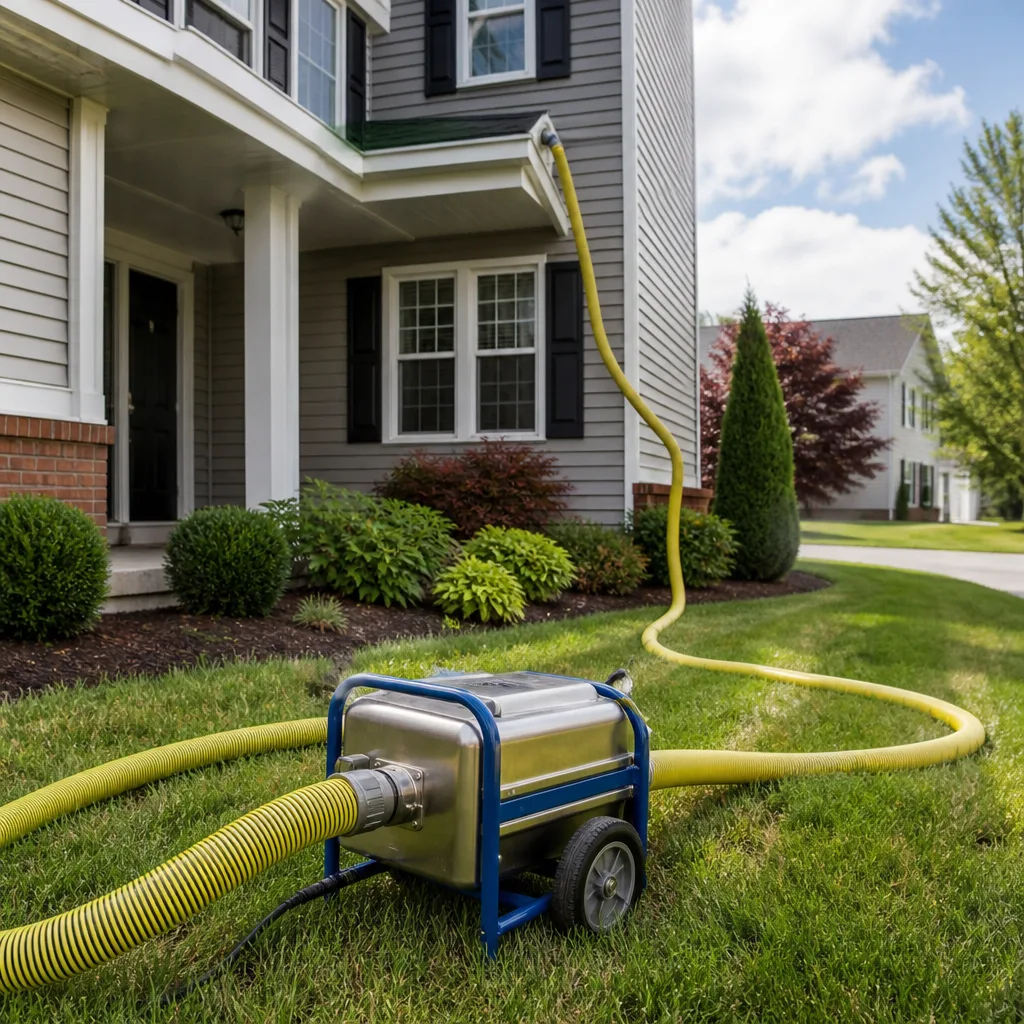 Whole-home duct cleaning
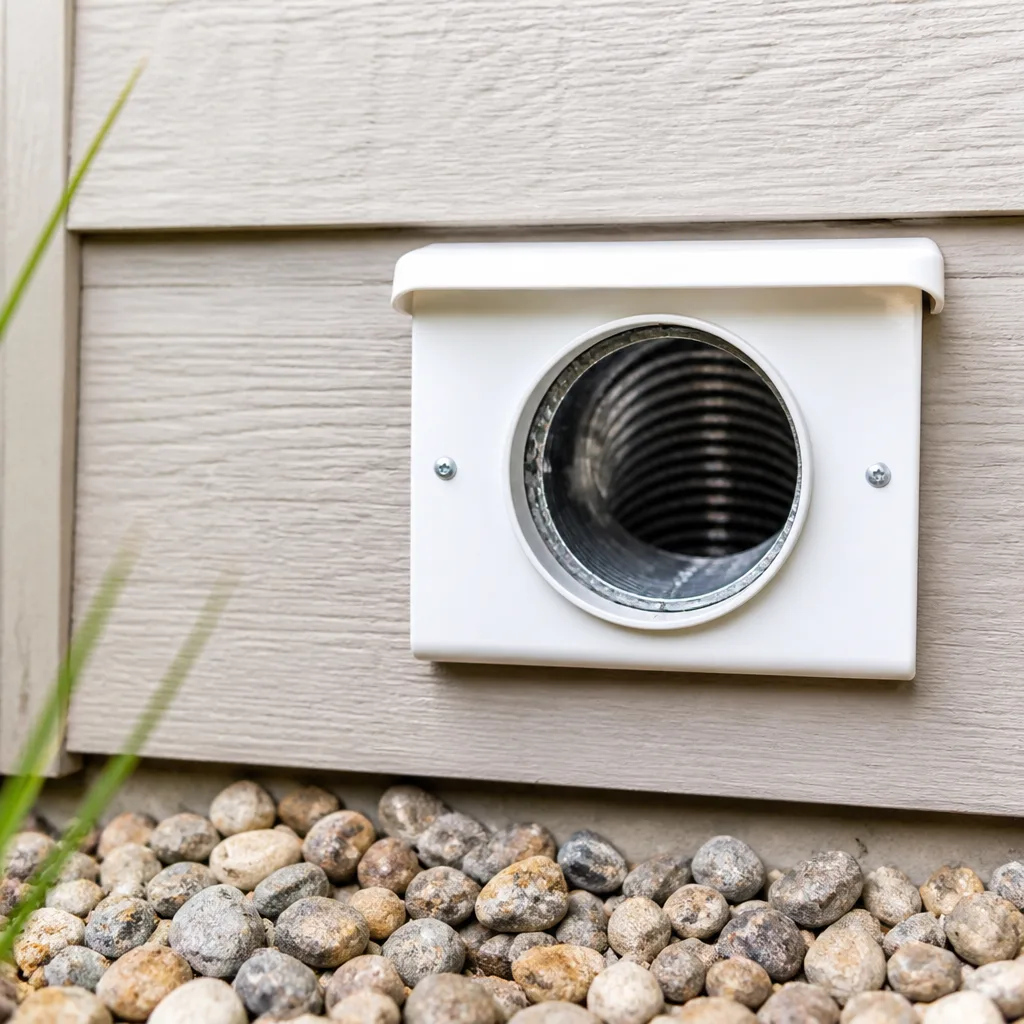 Dryer vent cleaning
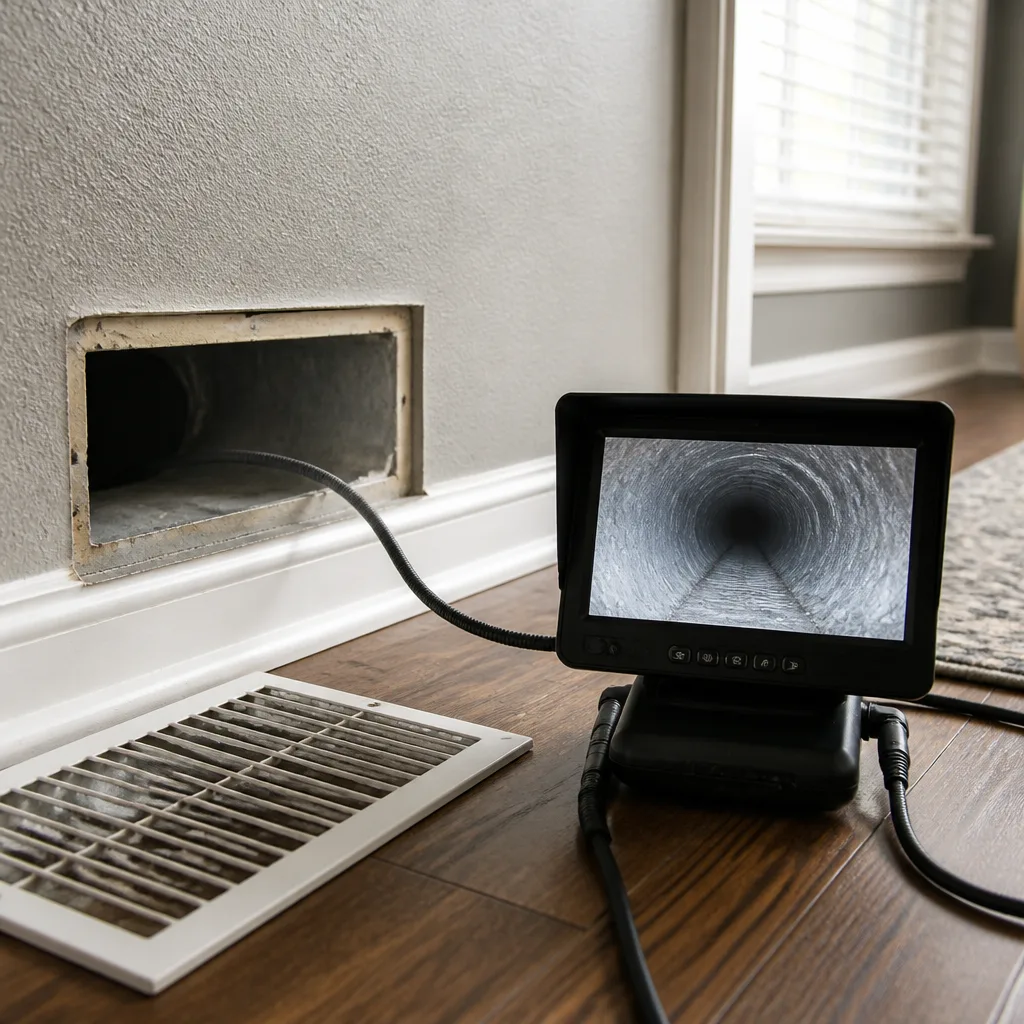 Camera inspection
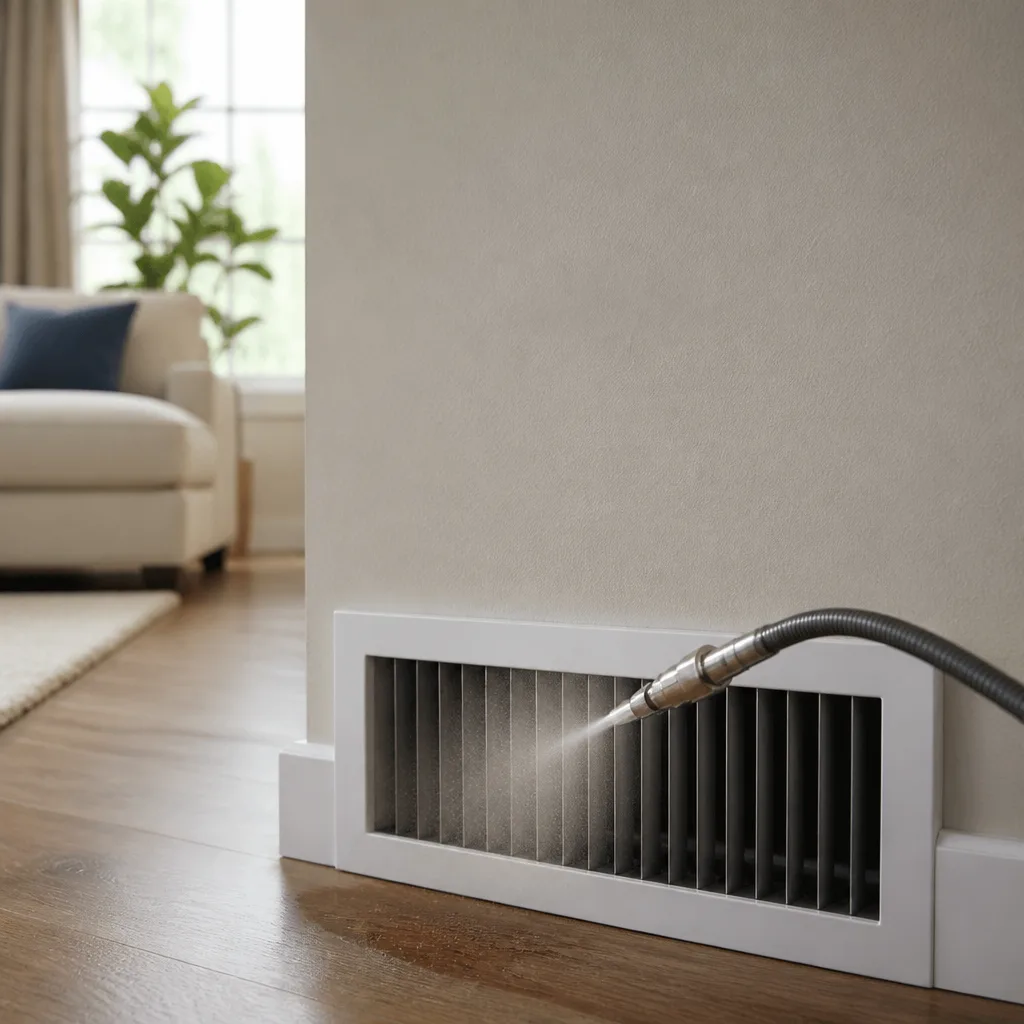 Sanitizing & deodorizing
Whole-system duct and dryer vent check with before-and-after photos - you see exactly what came out of your vents
That "$99 whole-house special" is a bait ad - the real number appears once they are in your hallway, or the "clean" is a shop-vac at the register. We photograph the inside of your ducts before and after instead.
Air Duct Cleaning Emergency Preparedness Guide for Washington Park Homes
Most Washington Park homeowners have a plan for the water heater that fails or the storm that knocks out power. Almost none have a plan for the duct system that quietly turns a house into an unhealthy place to breathe after a fire, a flood, or a failed HVAC unit. That blind spot is the point of this guide. When the Marshall Fire burned the Front Range, many homeowners ran their furnaces and air handlers to push the smoke smell out of the house. It did the opposite. It pulled smoke particles and volatile organic compounds (VOCs) into every inch of the supply and return network and settled them onto the interior walls of the ducts. A surface odor became a full remediation job. What follows is the duct-specific layer of your emergency response plan: the sequence to follow, the contaminants to test for, the documentation an insurer will want, and the equipment that separates a remediation contractor from a routine cleaner. We’ll keep it Washington Park, keep it specific, and keep it practical.
Quick Answer
After any smoke event, flood, or HVAC failure that reaches your ductwork, shut the system off first and get the ducts assessed before you run anything. Smoke pushes VOCs and PAHs into the duct walls while water sitting in a mechanical room feeds microbial growth in the supply trunks within 48 to 72 hours. Professional inside-knowledge does the difference between a surface clean and a real remediation job: document everything, test for what’s actually there, and clean with Rotobrush and Abatement Technologies equipment, not a shop vac.
Styles & brands we work with
- Whole-home duct cleaning
- Dryer vent cleaning
- Camera inspection
- Sanitizing & deodorizing
Table of Contents
- Why the Duct System Is Your Home’s Forgotten Emergency Risk
- Post-Wildfire Smoke Protocol for the Front Range
- Basement Flooding and Duct Contamination: The 48-to-72-Hour Window
- When the HVAC Fails: What Happens Inside the Ducts
- The Emergency Documentation Sequence for Insurance Claims
- How to Tell a Remediation Contractor from a Routine Cleaner
- What to Check Right Now: A Homeowner’s Pre-Emergency Audit
- When to Call a Professional
Why the Duct System Is Your Home’s Forgotten Emergency Risk
When a flood or a fire hits a house, the parts you can see get all the attention. The visible damage commands the insurance adjuster and the contractor. But the duct system is the lungs of the house, and it moves an enormous volume of air across thousands of feet of internal surface. Whatever gets into that air stream gets distributed to every room and deposited on the duct walls, where it stays until it’s mechanically removed.
This is where the emergency-preparedness gap lives. Washington Park homes range from early and mid-century bungalows to newer infill builds, and many of the older homes have original hard-duct or early flex-duct systems with seams and joints that leak. That’s not a problem in normal operation. In an emergency it becomes the reason contamination spreads fast and unpredictably. Smoke, water vapor, soot, and biological growth find those leaks and settle in.
The second factor is the way modern homes are built tight. A Washington Park home that has been insulated and sealed for energy efficiency doesn’t breathe the way a 1950s house did. When there’s a contamination event, the ducts circulate whatever’s in the air and there’s no passive path for it to escape. The system becomes a loop, and the loop holds the contaminant in the living space.
That’s why we lead with full-system thinking. Cleaning the duct runs without addressing the leaky seals and the air handler cabinet doesn’t solve the problem; it just cleans the symptom. From cleaning to sealing to sanitizing is the only sequence that actually addresses an emergency contamination event.
Post-Wildfire Smoke Protocol for the Front Range
Wildfire smoke along the Front Range carries more than visible ash. It carries fine particulate matter, volatile organic compounds, and polycyclic aromatic hydrocarbons (PAHs). The particulates you can see with a flashlight; the VOCs and PAHs are what stay in the duct walls long after the visible smoke clears. This distinction is what most homeowners miss, and it’s what makes smoke-event duct contamination a remediation job rather than a weekend cleaning project.
Here’s the post-smoke protocol we use:
- Keep the system off. Do not run the furnace, the air handler, or the AC to “air the place out.” Every fan cycle pulls more particulate deeper into the network and pushes it into the living space. Shut it down and open windows if outdoor air quality is good.
- Test before cleaning. Ask the contractor to assess for VOCs and PAHs, not just visible particulate. Standard cleaning with a shop vac removes dust and ash off the duct floor but does nothing to the film of VOCs baked onto the internal surfaces. That’s why professional sanitizing matters.
- Deploy air scrubbers. Abatement Technologies air scrubbers with HEPA filtration capture airborne particulates while the ducts are opened and cleaned, keeping the workspace air quality stable during the work itself. This is commercial-grade contamination control applied to a residential job.
- Sanitize after mechanical cleaning. Cleaning gets the debris out. Sanitizing addresses the microbial contaminants and the VOC film. These are two steps, not one, and skipping either leaves something on the table.
We’ve seen homeowners in Washington Park buy consumer-grade duct sprays after a smoke event and think that solved it. It doesn’t. Contact-vacuum extraction with a Rotobrush system and air-scrubber support is what gets the smoke out of the duct walls. Call us at (866) 947-8103 to talk through a smoke-remediation assessment.
Basement Flooding and Duct Contamination: The 48-to-72-Hour Window
A flooded basement is stressful enough without thinking about the ductwork. But here’s the sequence that catches people: if the water reached the mechanical room where the furnace, air handler, or duct trunks run, the inside of the duct system has been exposed to elevated humidity and likely to surface water. Within 48 to 72 hours, in a warm and enclosed space, the conditions are right for microbial growth on the interior of the duct runs, especially in the supply trunk and the air handler cabinet.
A few things to understand about how that actually plays out:
- The ductwork doesn’t have to be submerged to be contaminated. High humidity in an enclosed mechanical room with a wet floor is enough to feed growth.
- The air handler is the first casualty. The blower housing, condensate pan, and inside of the cabinet hold moisture and are the most common starting point for mold.
- Sealed ducts are not necessarily protected ducts. Older flex-duct in Washington Park homes is often degraded internally; moisture finds its way into the liner or the insulation, and mechanical cleaning alone can’t safely remove that.
- Don’t run the HVAC to “dry the system out.” If microbial growth has started, running the fan spreads spores through the supply runs and into every room.
After a flood, the order of operations matters: extract water, dry the structure, assess the mechanical room and duct system, then remove and remediate. We have the diagnostic equipment to assess whether the ducts are salvageable, and the mechanical cleaning and sanitizing capability to address them properly. Fast dispatch from 7am to 7pm, Sunday through Friday, means we can be on site quickly to evaluate.
When the HVAC Fails: What Happens Inside the Ducts
An HVAC failure is rarely just a comfort problem. When a compressor fails and the system is left cycling with no cold air, the indoor humidity rises and the air handler pulls that humid air through the duct runs. A condensate leak, a failed drain pan, or a cracked heat exchanger in a furnace all deliver moisture or unexpected contaminants directly into the system. In each case, the ductwork becomes the distribution path for whatever the failing component is producing.
The scenarios to watch for:
- Failed AC in summer. Indoor humidity climbs, and if it stays high for more than two or three days, the interior of the duct system is at risk of mold growth. This is the most common scenario we see in Washington Park over a hot July or August.
- Furnace heat exchanger issues. A cracked heat exchanger is a safety event. The system should be shut off immediately, and the ductwork should be assessed for contamination, not just the furnace.
- Condensate drain failure. An overflowing condensate pan that isn’t addressed quickly spills into the air handler cabinet and adjacent duct runs.
- Oil or gas smell after a furnace restart. A furnace that fires up rough or smells off after a power outage is not a duct problem. It’s a safety call to your gas utility first. Duct assessment comes after that.
Which is why, after an HVAC failure, we check the whole system before cleaning: the air handler cabinet, the coils, the condensate pan, and the duct runs. Cleaning without finding the leak is just a reset, not a fix. That’s what we mean when we say built for air quality, not just air movement.
The Emergency Documentation Sequence for Insurance Claims
Insurance claims for duct remediation fail more often on documentation than on coverage. The carrier needs a record of what was there before, what was done, and what the outcome was. If that record is missing, the claim stalls. If you’re in Washington Park and a contamination event is heading for an insurance claim, the documentation sequence is the difference between a paid claim and a denied one.
The sequence we recommend:
- Photograph before anyone touches anything. Wide shots of the affected area, close-ups of the duct runs if visible, and photos of any water intrusion or smoke damage. Timestamped photos are the backbone of the claim.
- Get a written air quality assessment. A contractor assessment report should identify what’s in the air and in the ducts, not just what the contractor plans to clean. Sight-based assessment is not enough for a claim.
- Document the sequence of events. Fire date, flood date, HVAC failure date. Who ran the system afterward and when. This narrative is what the adjuster needs to understand why the ducts are contaminated.
- Keep the pre-cleaning photos. Before-and-after photos of the actual duct interior are the strongest evidence a private residence can capture. If the contractor doesn’t produce them, you don’t have proof the work was done.
- Ask the contractor for a written scope of work. What’s being cleaned, what’s being sealed, what’s being sanitized. Insurers need line-item scopes to pay.
If a contamination event happens in Washington Park tomorrow, call us. We’ll come assess, document, and give you a written scope you can send to your insurer. Estimates are free.
How to Tell a Remediation Contractor from a Routine Cleaner
This is the single most important decision in a duct emergency, and it’s the one most homeowners make wrong. Routine cleaners handle maintenance-level jobs: a dusty system, a light seasonal cleaning, a move-in clean. Remediation contractors handle contamination events: post-fire, post-flood, post-HVAC failure. The equipment and process requirements are completely different, and so are the results.
A true remediation contractor will have these on hand:
- Contact-vacuum system. Rotobrush is the industry standard. It seals to the duct and cleans without releasing contaminants into the room. If a contractor shows up with a shop vac and a homemade attachment, they aren’t equipped for post-emergency work.
- HEPA extraction unit. Nikro HEPA extraction handles fine particulate that a standard vacuum cannot capture. For a post-fire or post-flood job, this is required, not optional.
- Air scrubber. Abatement Technologies air scrubbers provide commercial-grade contamination control during the cleaning process, keeping the workspace air clean and minimizing cross-contamination to other rooms.
- Duct sealing and repair capability. A remediation contractor can seal leaks and address structural duct problems, not just clean around them. Most duct cleaners can’t repair ductwork.
- Written assessment and before-and-after documentation. If a contractor doesn’t shoot before-and-after photos inside your ducts, you have no way to verify the job was done. Ask for photos before the work starts.
Ask any contractor you’re considering what brands of equipment they use. A straight answer is a good sign. If you’re in Washington Park and not sure who you’re dealing with, call us at (866) 947-8103 and we’ll walk through your situation and your options honestly. One flat price per system, agreed before work starts.
What to Check Right Now: A Homeowner’s Pre-Emergency Audit
Preparedness isn’t just about what to do after an emergency. It’s about spending twenty minutes now so you know the state of your duct system before you need to react to a fire, flood, or HVAC failure. Here’s what to check:
- Locate the air handler and the duct trunk. Know where the main supply and return trunks run. If a future flood in a Washington Park basement reaches the mechanical room, you’ll know immediately whether the ducts are at risk.
- Check the condition of any visible duct runs. Look for separated joints, disconnected runs, visible sagging, and moisture staining on the exterior of flex-duct. These are the likely entry points for contamination.
- Smell test. Run the system on fan-only mode after a thorough house-cleaning. A musty or stale odor from the registers is a signal that something’s growing in the system.
- Look for debris in the registers. Remove a register cover. Visible dust buildup on the inside of the register boot and the duct run is normal after a few years. Visible mold or a persistent damp smell is a sign to call for an assessment.
- Check the condensate drain line. Make sure it drains to a safe location and isn’t clogged. A failed condensate drain is a common cause of duct contamination.
- Check your insurance policy. Find out whether your policy covers smoke and mold remediation on the duct system, and what documentation is required for a claim. Better to know now than at the moment of crisis.
- Record the current state of the system. Take photos of the inside of the duct at a few register locations. If an emergency happens later, you’ll have a baseline.
If any part of this audit suggests a problem, call us. Free estimates, before-and-after photos of your own ducts, and no per-vent pricing games. We’ll tell you what we find.
Common Mistakes to Avoid
- Running the HVAC to “clear the smoke.” This is the single most common mistake after a Front Range smoke event. Every fan cycle pushes particulates and VOCs deeper into the duct network and into the living space. Shut it off first.
- Assuming a shop vac can handle a post-flood duct system. It can’t. A shop vac can’t capture HEPA-level particulate, can’t handle microbial contamination safely, and can’t sanitize. Standard cleaning products aimed at the visible dirt leave the actual problem in place.
- Skipping the air quality assessment before the cleaning. You can’t remediate what you haven’t tested. Particulates, VOCs, and PAHs require different approaches; a general “full clean” without an assessment will miss some of them.
- Letting water sit in the mechanical room longer than 48 hours. The window before mold growth accelerates is short. In Washington Park’s older homes, where flex-duct liners are already aging, the window is shorter still.
- Not photographing before the cleanup starts. A Washington Park homeowner’s insurance claim for duct remediation needs evidence. If the ducts are cleaned before photos are taken, the claim gets complicated fast.
- Assuming the ducts are sealed if the ducts are clean. Cleaning a leaky system just sets it up to get dirty again quickly. Duct sealing is the step that solves the leak problem.
- Hiring a contractor who can’t produce before-and-after photos. If there are no photos of the duct interior, the job may or may not have been done. Insist on photos.
See the difference
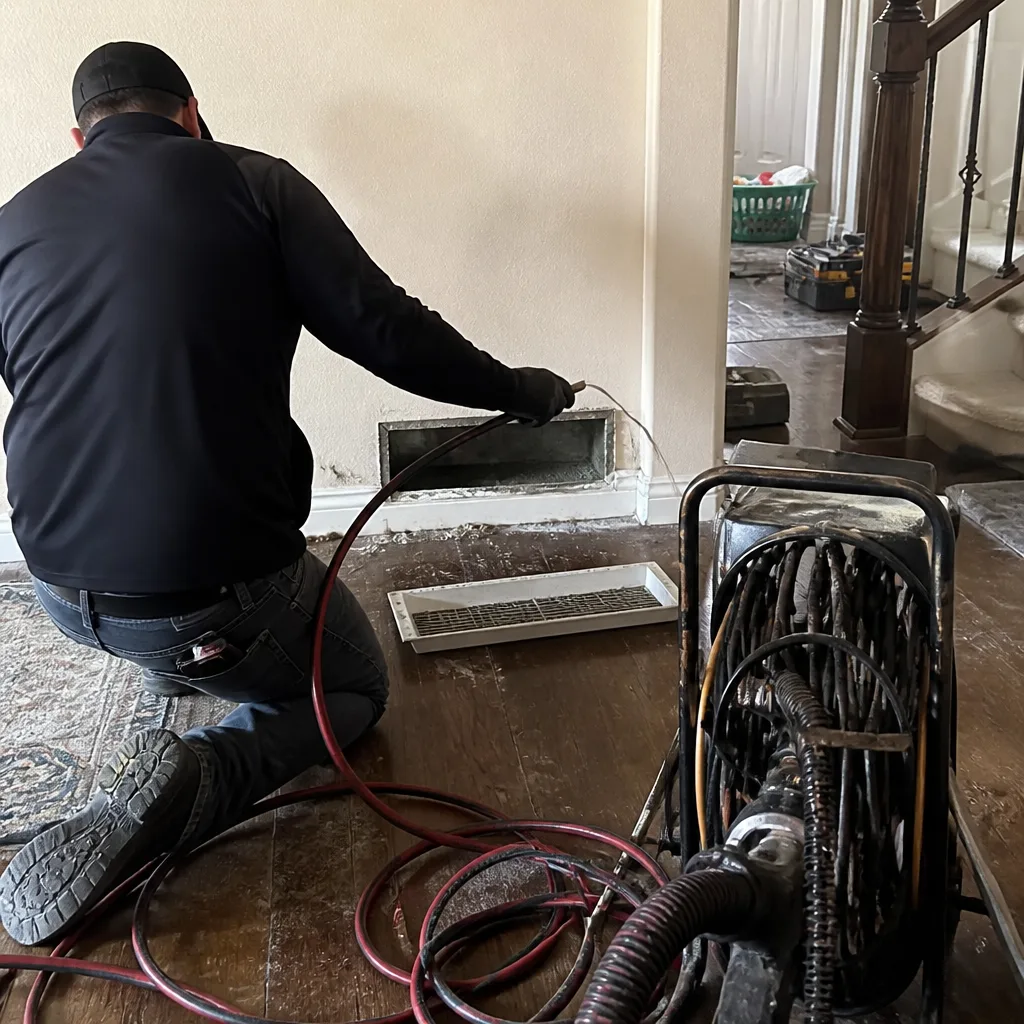 Before
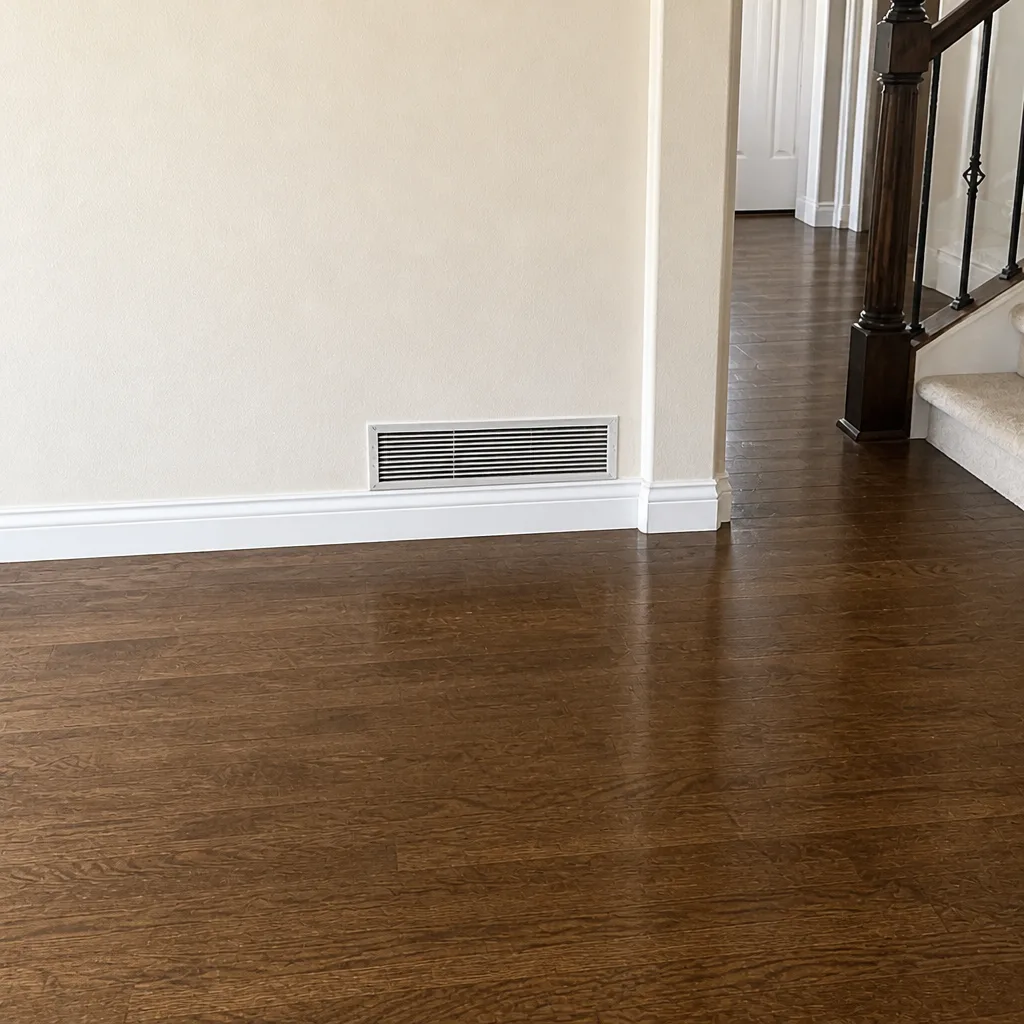 After
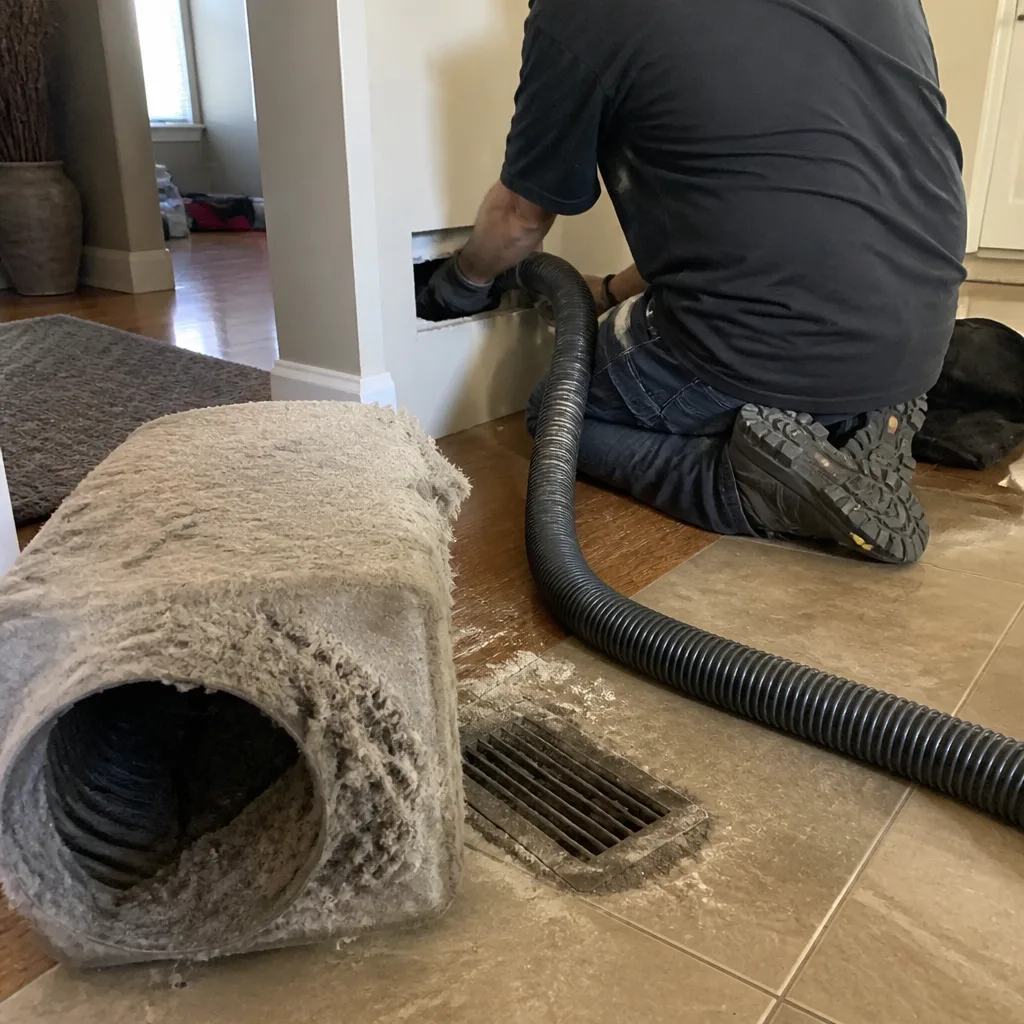 Before
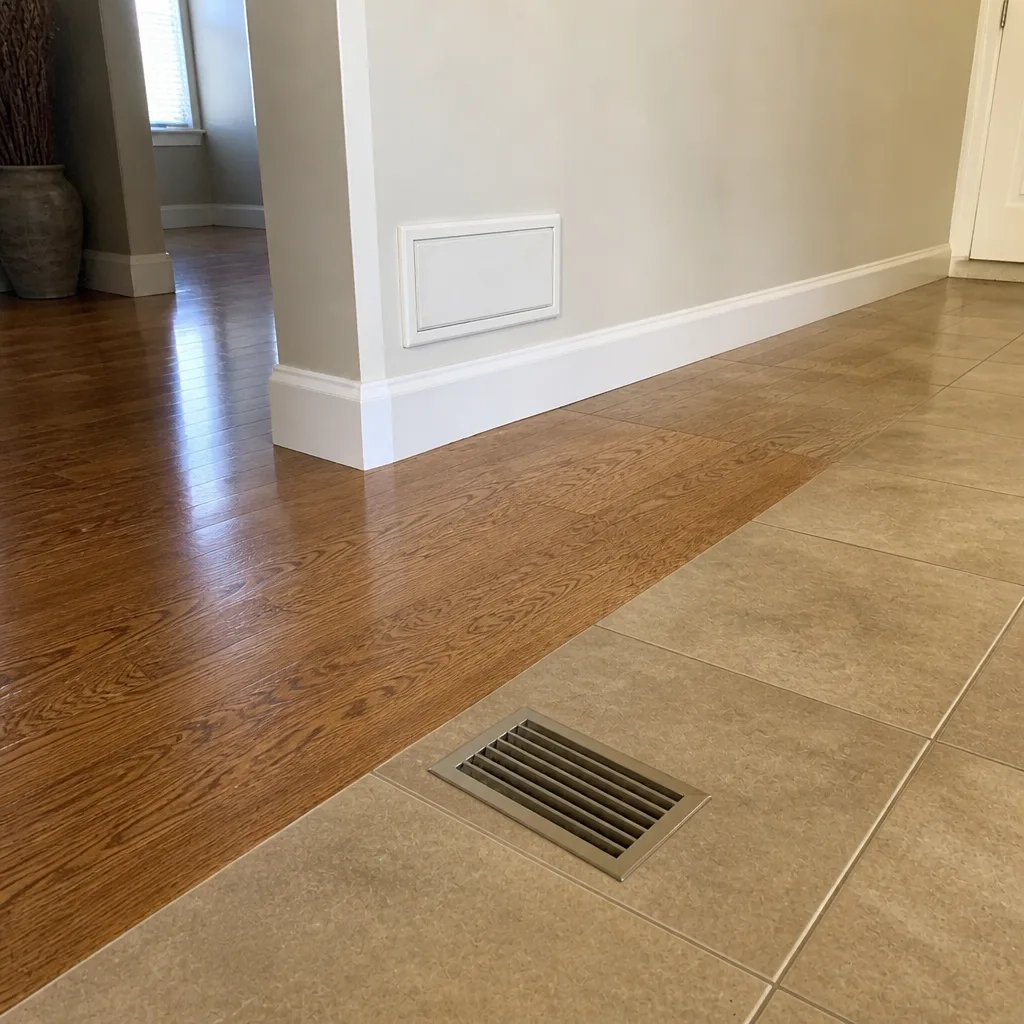 After
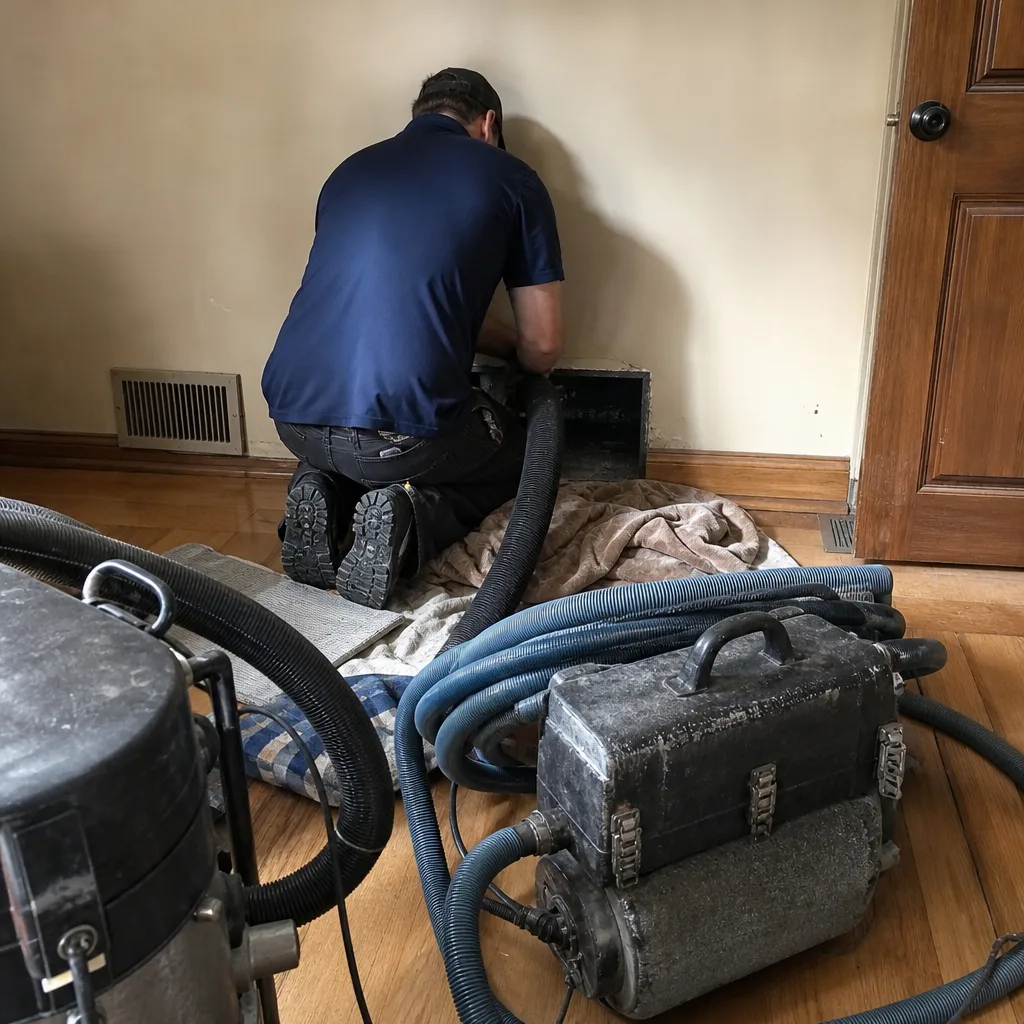 Before
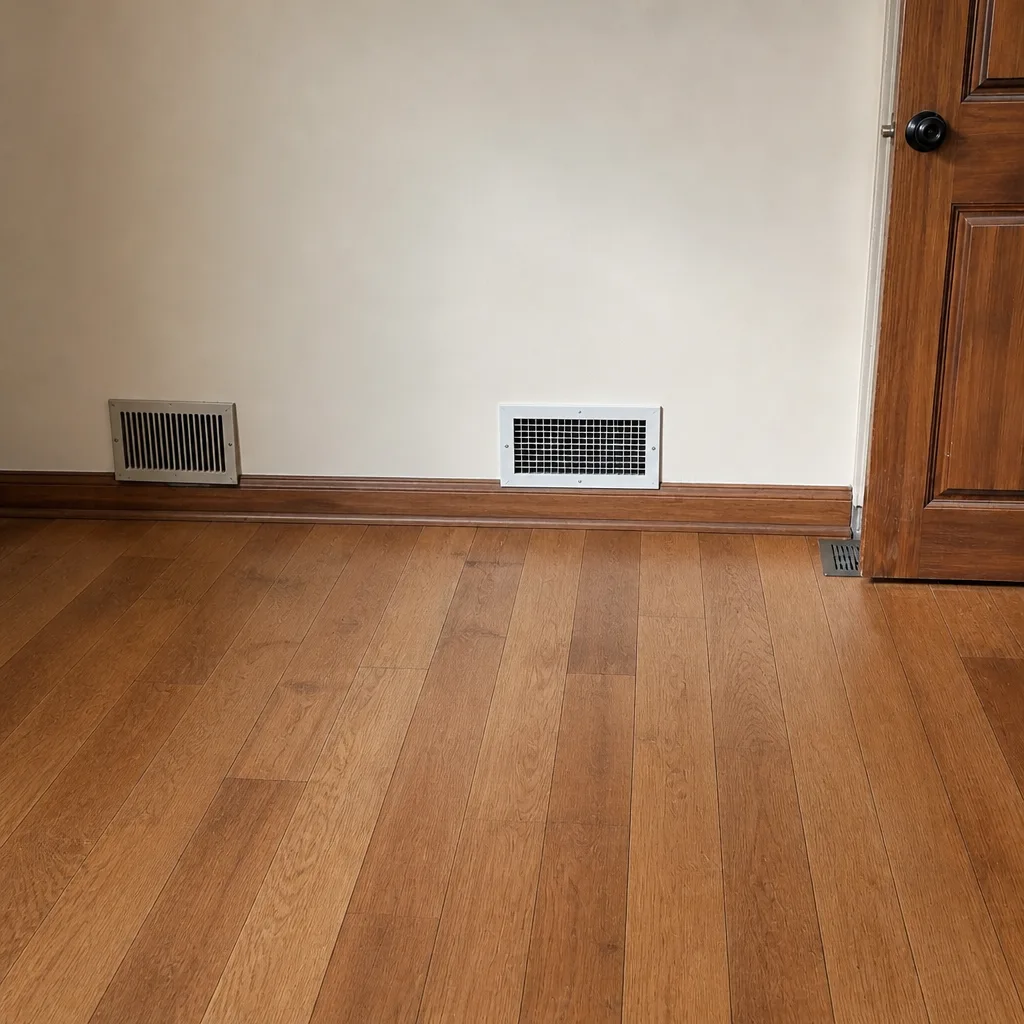 After
When to Call a Professional
Call a professional for assessment if any of these is true: your home was in the path of a Washington Park-area smoke event and you ran the HVAC afterward, your basement flooded and reached the mechanical room, your HVAC failed for more than 48 hours, you smell a persistent musty odor from the registers, or you can see visible debris buildup in the ducts. For anything that touches water in the mechanical room, don’t wait for “a good weekend” to assess. The 48-to-72-hour window matters.
We connect Washington Park homeowners with independent, state-licensed and insured local pros who use professional-grade Rotobrush, Nikro, and Abatement Technologies equipment. We show you what we find, document everything with before-and-after photos, and agree on one flat price per system before any work starts. Air Duct Cleaning Washington Park offers free estimates in Washington Park. Call (866) 947-8103 to schedule an assessment. We answer 24/7. Fast dispatch from 7am to 7pm, Sunday through Friday.
Frequently Asked Questions
Most whole-system cleanings in Washington Park fall somewhere in the $350 to $800 range depending on home size, duct system layout, and whether duct sealing or sanitizing is included. Remediation-level jobs (post-fire, post-flood) can run higher. Call (866) 947-8103 for an exact quote; estimates are free.
Cheaper quotes usually come from contractors using consumer-grade equipment and skimping on the steps that matter: no contact-vacuum system, no HEPA extraction, no air scrubber, and no sanitizing stage. The result looks clean because the surface dust is gone, but the actual contamination is still in the duct walls and the air handler. You can’t compare a routine clean to a remediation job.
You know the work was done because you have before-and-after photos of the inside of your own ducts. That’s the only reliable check. Ask for photos before and after. If a contractor can’t produce them, that’s your answer.
For a Washington Park home without unusual contamination events, a full duct cleaning every three to five years is reasonable, and an assessment if you notice increased dust, worsening allergy symptoms, or musty smells. After any smoke, flood, or HVAC failure event, the timing is immediate – not annual. Call (866) 947-8103 if you’re not sure whether you’re on a maintenance cadence or facing a contamination event.
No. Running the HVAC after a smoke event pulls smoke particles and VOCs deeper into the duct network and distributes them through the house. Shut the system off first, open windows if outside air quality is good, and call for an assessment before running anything. Call (866) 947-8103 to schedule.
Yes. We can work with your insurer and provide the documentation an adjuster typically needs: air quality assessment, written scope of work, and before-and-after photos. We can’t bill your insurer directly, but we can give you everything you need to submit a clean claim yourself.
The Bottom Line
Emergency preparedness for a Washington Park home has to include the duct system, not just the smoke detectors and the water shutoff. The sequence matters: keep the system off, get an assessment, test for what’s actually in the air, document everything for your insurer, and clean with professional-grade equipment that can actually address VOCs, PAHs, and microbial growth. Rotobrush, Nikro, and Abatement Technologies equipment does what a shop vac can’t. One flat price per system, before-and-after photos, and a written scope of work protect you either way. If you’re in Washington Park and not sure about the state of your system, call (866) 947-8103. We answer 24/7. Fast dispatch from 7am to 7pm, Sunday through Friday.
Written by the team at Air Duct Cleaning Washington Park.