
Last updated November 25, 2026
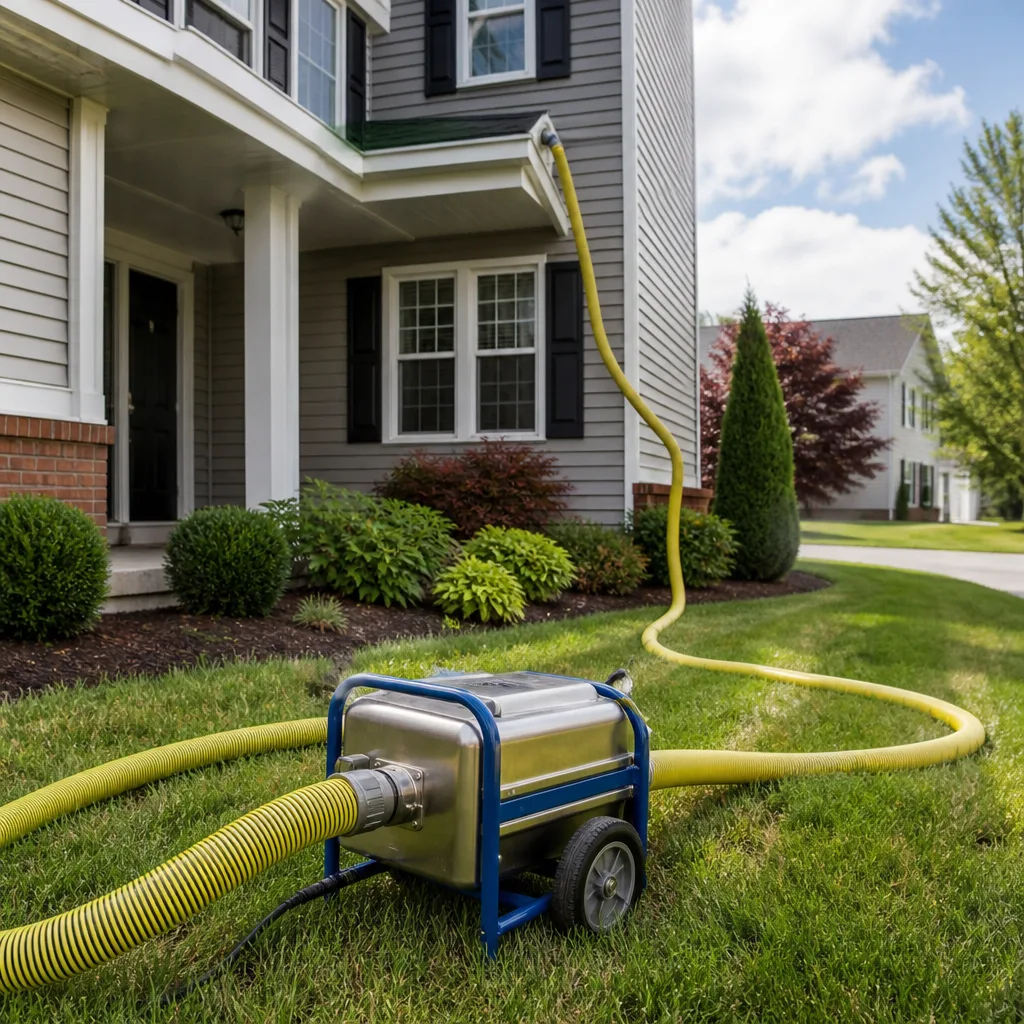 Whole-home duct cleaning
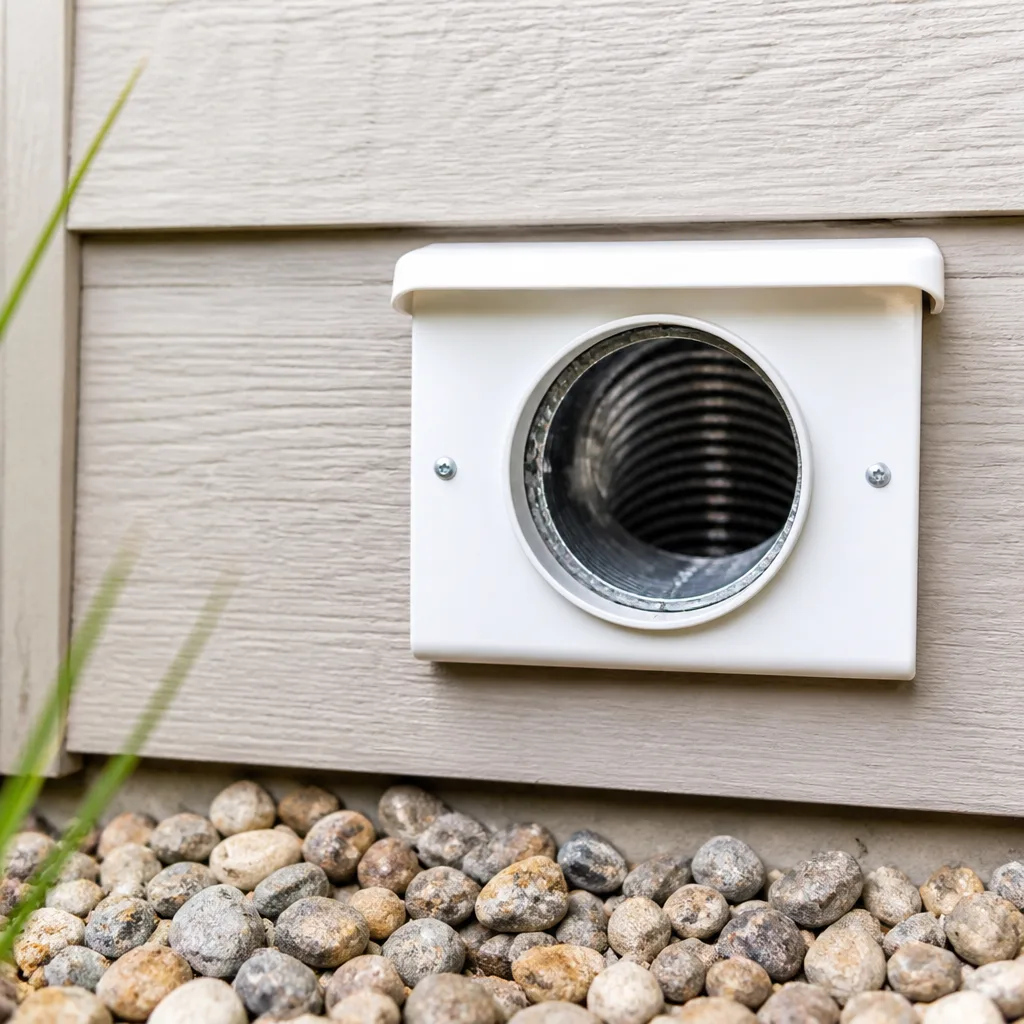 Dryer vent cleaning
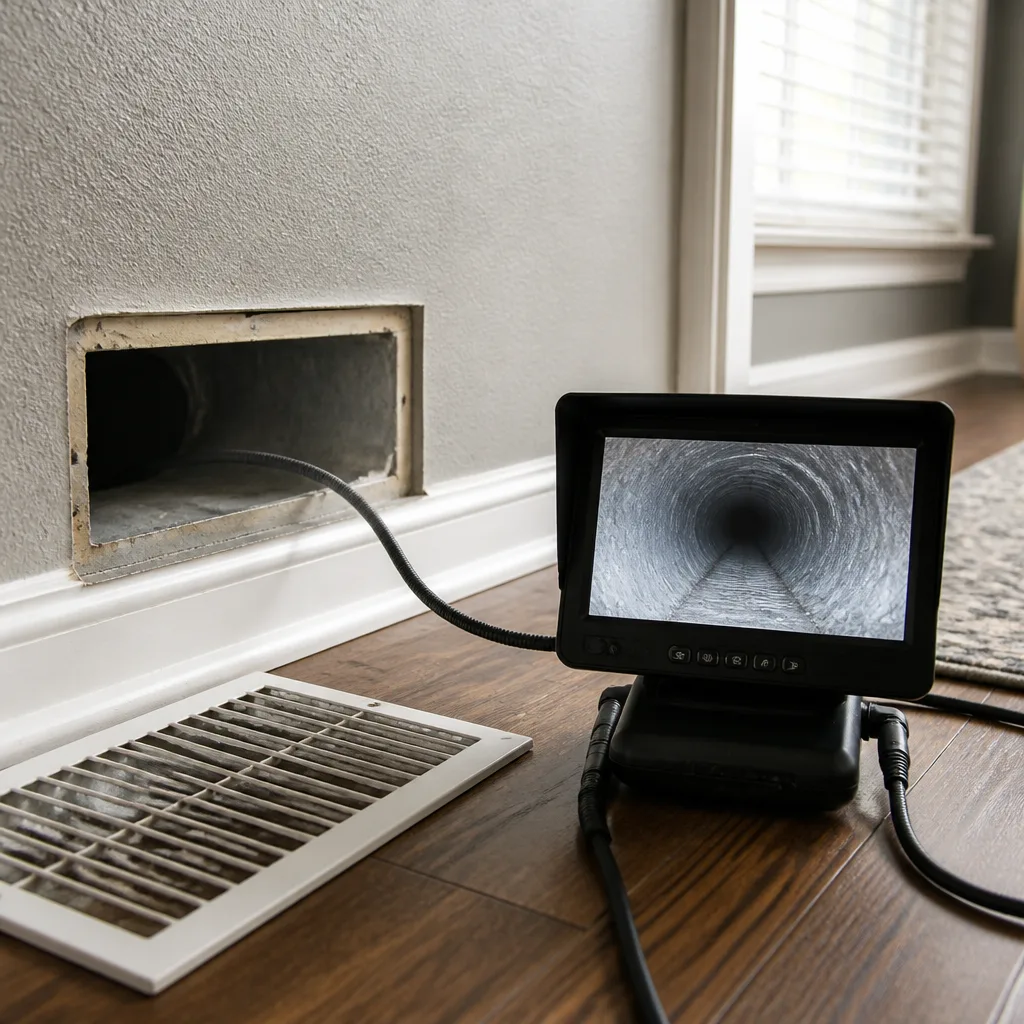 Camera inspection
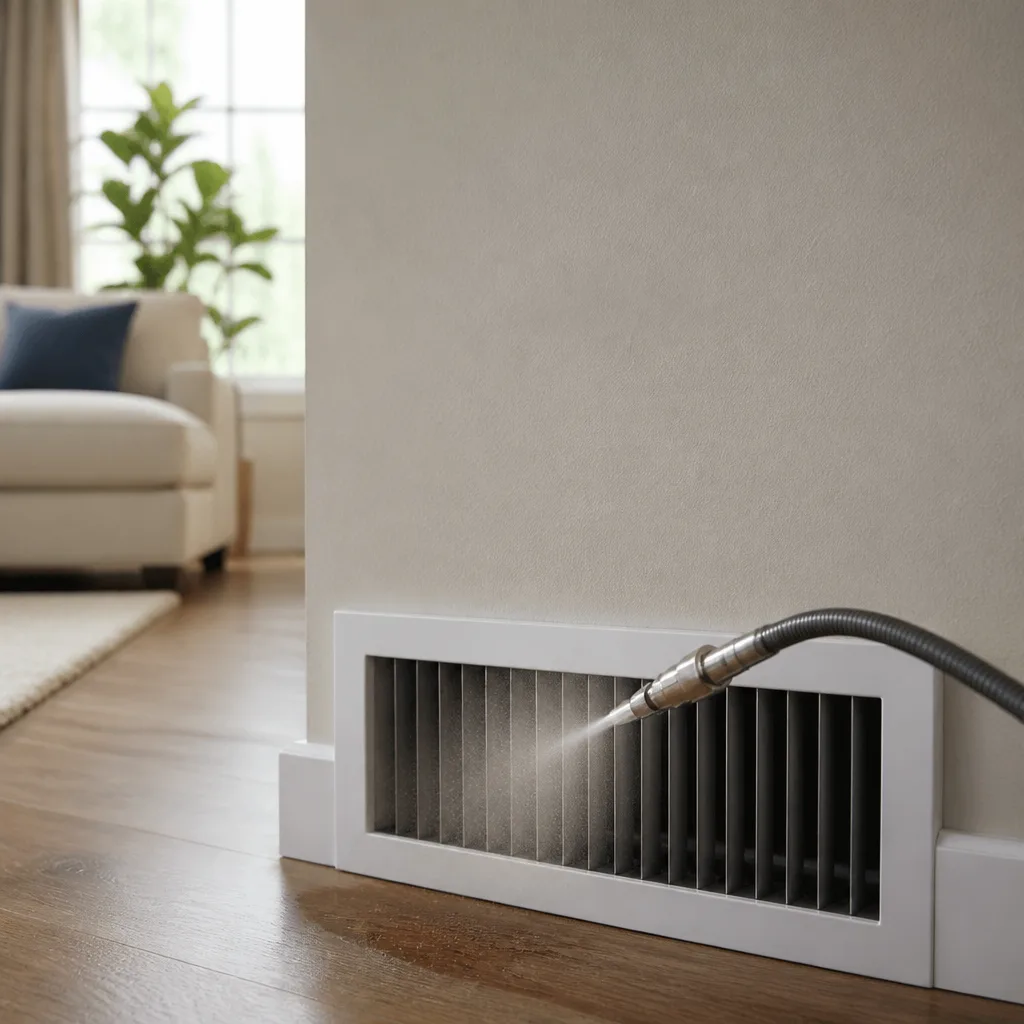 Sanitizing & deodorizing
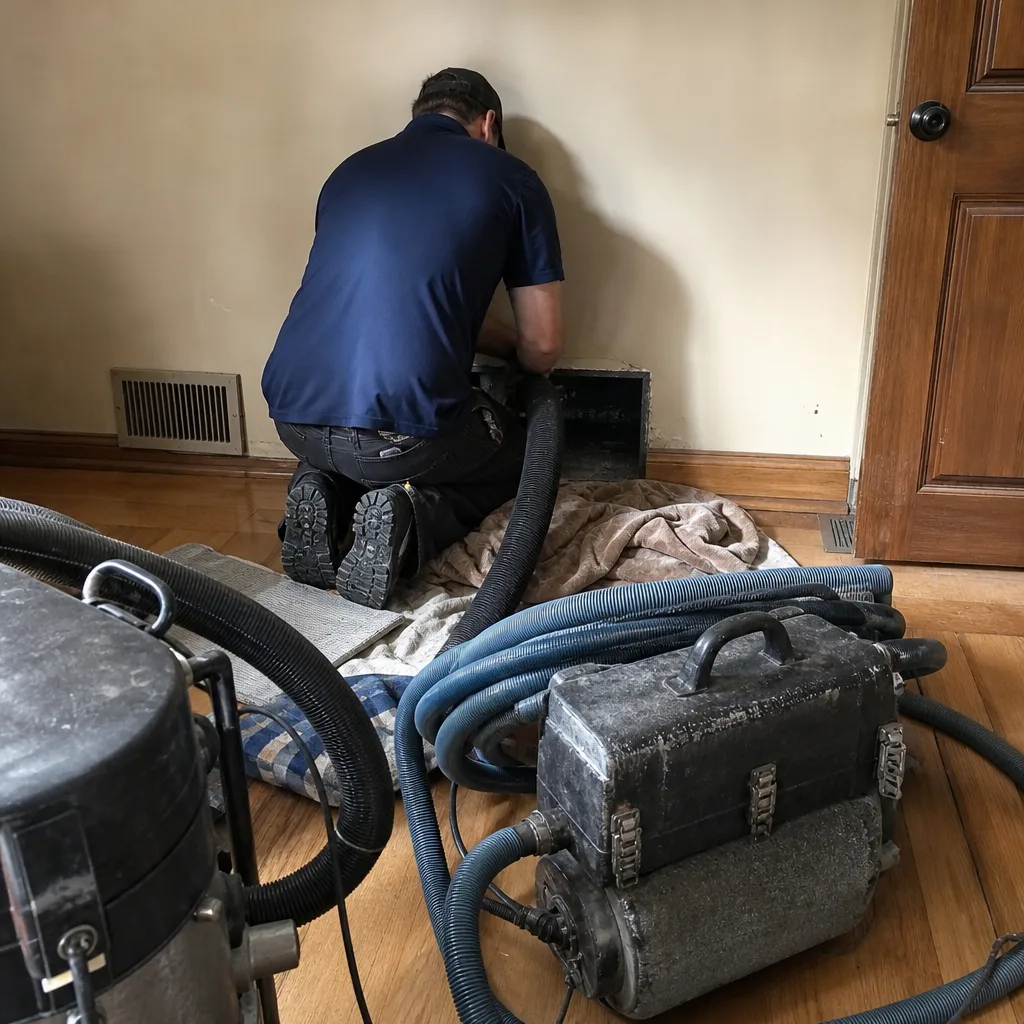
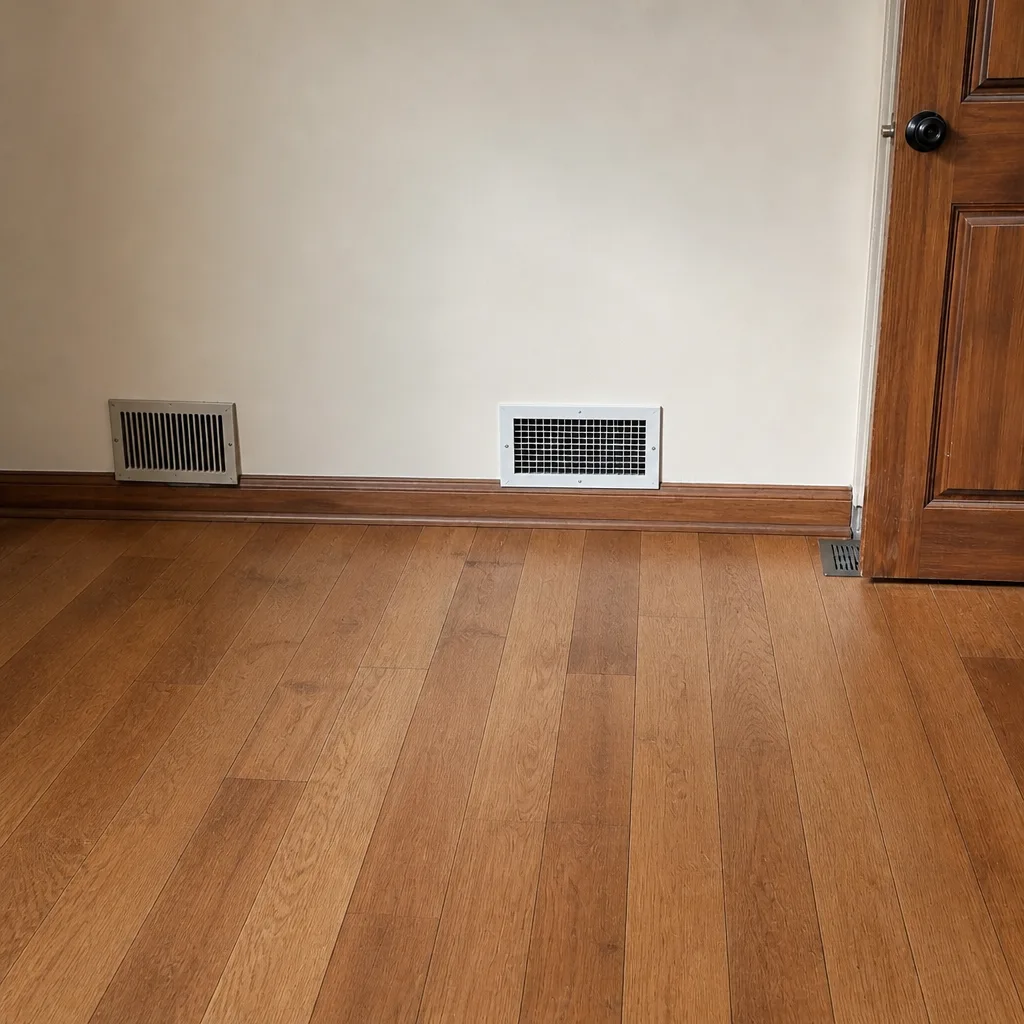
Whole-system duct and dryer vent check with before-and-after photos - you see exactly what came out of your vents
That "$99 whole-house special" is a bait ad - the real number appears once they are in your hallway, or the "clean" is a shop-vac at the register. We photograph the inside of your ducts before and after instead.
Air Duct Cleaning Permits, Codes & Inspections in Washington Park, CO: What You Need to Know
Most homeowners assume a duct cleaning is just a truck, a hose and an invoice. That’s true for routine maintenance. But cross one of three lines – active mold, a change to the duct system itself, or cleanup after a renovation – and the job stops being a cleaning and becomes a regulated scope of work with paperwork attached. In Washington Park, where a lot of housing is older and a lot of basements have seen water, that line gets crossed more often than people expect. This guide draws the line precisely: when Colorado rules apply, what a legitimate contractor must hand you, and what to keep for insurance and resale.
Quick Answer
Routine air duct cleaning in Washington Park, CO does not require a permit. Permits and formal obligations appear when the work becomes mold remediation (Colorado Department of Public Health mold guidelines apply), when ducts are modified or replaced as part of a mechanical system change (a Denver Metro mechanical permit is typically required), or when post-renovation debris cleanup requires documented containment. Always confirm the specific requirement with the City and County of Denver’s building department and with CDPHE, since scope determines the rule.
Styles & brands we work with
- Whole-home duct cleaning
- Dryer vent cleaning
- Camera inspection
- Sanitizing & deodorizing
Table of Contents
- Where Cleaning Ends and Regulated Remediation Begins
- What Colorado’s Mold Guidelines Actually Require
- When Duct Work Triggers a Denver Metro Mechanical Permit
- The Documentation a Legitimate Contractor Must Provide
- How HOA Rules Affect Exterior Equipment Setup
- Post-Renovation Cleanup: The Most Misunderstood Scope
- The Paper Trail to Keep for Insurance and Resale
- Inspections, Clearance Testing and What Comes After
Where Cleaning Ends and Regulated Remediation Begins
A cleaning removes accumulated dust, debris and surface soils from the air pathway. Remediation addresses a contamination condition – most often microbial growth – and carries a different standard of care, containment and documentation. The trigger isn’t how dirty the duct looks. It’s what’s growing in it and how much of the system is affected.
In our experience across Washington Park, the deciding factor is usually visible growth on more than a small patch of interior duct surface, or a musty odor that persists after a routine clean. Once a contractor identifies active growth, they can’t simply vacuum it and hand you an invoice. They owe you a scope of work that names the affected areas, a containment approach, and a plan for verifying the work afterward.
Three conditions shift a job into remediation territory:
- Visible microbial growth on duct liner, insulation or interior metal surfaces beyond a small isolated area.
- Water intrusion history – a basement flood, a roof leak, condensate overflow – that left the system damp long enough for growth to establish.
- Persistent musty odor that returns after a documented cleaning, indicating a source the cleaning didn’t reach.
Anything short of those three stays in maintenance territory and needs no permit. We lead every Washington Park job with inspection for exactly this reason: the scope has to be right before the equipment comes in. For a baseline on what a standard visit covers, see our guide to air duct cleaning.
What Colorado’s Mold Guidelines Actually Require
Colorado does not license mold remediation contractors the way some states do, but the Colorado Department of Public Health and Environment publishes guidelines that establish an expected standard of care. Those guidelines matter in practice because insurers, real estate transactions and courts all reference them when evaluating whether work was done properly.
The core expectations, in plain terms:
- A written scope of work before work begins. What’s affected, how it will be contained, what method will be used, and how completion will be verified.
- Containment during the work. Negative pressure and physical barriers so spores aren’t distributed into occupied space. This is where an air scrubber like an Abatement Technologies unit belongs – not a shop vac.
- Post-remediation verification. Some form of clearance check, whether visual inspection by a qualified third party or air sampling, confirming the condition was corrected.
- Documentation retained by both parties. Photos, scope, methods and results, kept for your records and the contractor’s.
None of this is optional theater. If a future insurance claim or a buyer’s inspection raises a question about mold in the duct system, the paper trail is the only proof of what was done and how. We build that documentation into remediation-scope work in Washington Park as a matter of course, and we use HEPA extraction with Nikro equipment and scrubbing rather than relying on a single pass of vacuum.
When Duct Work Triggers a Denver Metro Mechanical Permit
Cleaning doesn’t require a permit. Changing the duct system does. The distinction comes down to whether the work alters the mechanical system’s configuration, capacity or routing – not whether it touches duct surfaces.
Work that typically requires a mechanical permit through the City and County of Denver:
- Adding, removing or relocating a supply or return register in a way that changes the duct layout.
- Replacing a section of duct with a different size or routing.
- Connecting a new HVAC unit, air handler or major component to the existing duct system.
- Significant duct sealing or repair that changes the system’s designed airflow characteristics.
Work that generally does not:
- Cleaning the interior of existing ducts.
- Sealing small leaks at joints and connections as part of maintenance.
- Replacing filters or adding filtration at the air handler.
The gray zone is duct repair and sealing that goes beyond minor joint work. In our experience, when a Washington Park homeowner’s duct system has collapsed flex runs or disconnected joints in a crawlspace, the fix is sometimes a repair and sometimes a replacement – and the permit question follows the answer. Ask your contractor to state in writing which side of that line the job falls on, and confirm with the Denver building department before work starts. Our HVAC cleaning work is scoped the same way: cleaning stays cleaning, and anything structural gets flagged before it becomes a surprise.
The Documentation a Legitimate Contractor Must Provide
If a contractor can’t produce a written scope, containment plan and post-work verification for a remediation-scope job, the work shouldn’t proceed. That’s the practical test, and it’s the one we’d apply to any Washington Park job before signing anything.
A complete documentation package for a regulated scope includes:
- Written scope of work – affected areas, methods, equipment, and expected completion criteria.
- Containment protocol – how occupied space will be protected, what barriers and negative pressure will be used.
- Before-and-after photo documentation of the actual system being treated, not stock images.
- Post-clearance results – visual inspection findings or air sampling results, depending on the scope.
- Equipment list – the professional-grade systems used. Rotobrush contact-vacuum, Nikro HEPA extraction and Abatement Technologies scrubbers are the kind of equipment that belongs on that list; a consumer vacuum doesn’t.
We hand this package to every customer whose job crosses into remediation scope, because without it the work is difficult to defend later. Routine cleaning gets a lighter but still useful record: what was cleaned, what we found, and photos of the before-and-after condition. That transparency is the whole point – we show you what we find so the scope matches the condition.
How HOA Rules Affect Exterior Equipment Setup
Washington Park has a significant share of attached housing, townhomes and smaller-lot detached homes governed by HOAs. Those rules rarely address duct cleaning directly, but they frequently govern what can be parked, staged or run outside a unit – and that affects how a cleaning visit is set up.
Things an HOA may restrict or require advance notice for:
- Where a service vehicle can park and for how long.
- Hose or equipment routing across shared walkways or common areas.
- Noise restrictions during early-morning setup in attached housing.
- Access to rooftop or exterior mechanical equipment in some buildings.
None of this changes the cleaning itself. It changes the logistics, and it’s worth a quick call to your HOA before the visit so the crew isn’t improvising an equipment setup that violates a rule you’ll hear about later. It’s a small step that saves a real headache in the denser parts of Washington Park.
The same applies to dryer vent work, which sometimes involves exterior vent termination on a shared wall or roof. If you’re scheduling that alongside a duct clean, our dryer vent cleaning page covers what the visit involves.
Post-Renovation Cleanup: The Most Misunderstood Scope
A renovation fills the duct system with drywall dust, sawdust and fine particulate that a standard cleaning wasn’t designed to handle at volume. This is the scope most often priced wrong and performed wrong, because it looks like a routine clean and isn’t.
Post-renovation duct cleanup in Washington Park typically involves:
- Full-system inspection first, because construction dust settles unevenly and can mask disconnected joints or crushed flex runs.
- HEPA extraction rather than standard vacuuming, so fine particulate isn’t redistributed into the airstream.
- Air scrubbing during the work when the volume of debris warrants it, keeping the occupied space protected.
- Duct sealing where the renovation exposed or created leaks – construction often disturbs joints that were previously tight.
- Verification photos and a written summary of what was removed and what was repaired.
This is where full-system scope matters. If the cleaning, sealing and sanitizing are split across three contractors, nobody owns the final condition, and the documentation is piecemeal. We handle the whole pathway – ducts, HVAC components, sealing and sanitizing – so there’s one record and one point of accountability. That’s built for air quality, not just air movement.
The Paper Trail to Keep for Insurance and Resale
Keep the scope, the photos, the equipment list, and any clearance results for as long as you own the home. In a resale disclosure or an insurance claim, those documents are the difference between a documented maintenance history and an unverifiable assertion.
What to retain, and why:
- Written scope and invoice – proves what was done and when.
- Before-and-after photos – shows condition before and after, which is what an adjuster or buyer’s inspector wants to see.
- Clearance or verification results – relevant if the job was remediation-scope.
- Equipment record – confirms professional-grade systems were used, not a consumer vacuum.
- Any permit documentation – if duct modifications were part of the work, keep the permit and inspection record with your home files.
In our experience, the households that end up in disputes are almost never the ones with too much paperwork. They’re the ones with none. For a full picture of what a documented visit looks like, start at our Air Duct Cleaning Washington Park page.
Inspections, Clearance Testing and What Comes After
An inspection is not the same as a cleaning. An inspection documents condition; a cleaning changes it. For remediation-scope work, the inspection that matters most is the one after the work – the clearance check that confirms the condition was actually corrected.
How clearance typically works:
- Visual inspection of the treated areas, documented with photos.
- Air sampling where the scope or insurer calls for it, comparing indoor and outdoor reference samples.
- Written clearance report stating the condition and the basis for clearance.
For routine cleaning in Washington Park, clearance testing generally isn’t required. What you should still expect is a documented before-and-after record and a verbal walkthrough of what was found. If a contractor can’t tell you what they found and show you the photos, that’s a signal worth taking seriously. Our technicians have up to 9 years of experience and use Rotobrush contact-vacuum systems and Nikro HEPA extraction on every job – the same equipment remediation contractors rely on – so the documentation reflects real work, not a promise. And because we work with Honeywell and Aprilaire product lines, indoor air quality upgrades like improved filtration or humidity control can be handled in the same visit rather than coordinated separately.
Common Mistakes to Avoid
- Treating visible mold as a cleaning problem. Once growth is confirmed, the scope is remediation, and cleaning it without containment and documentation creates a paper trail problem you’ll carry for years.
- Skipping the permit question on duct modifications. A relocated register or a replaced duct run usually needs a mechanical permit in Denver; assuming it doesn’t can surface during a resale inspection.
- Accepting a verbal scope. If it isn’t written down with methods and completion criteria, it didn’t happen – at least not in any way you can prove.
- Not checking HOA rules before the visit. Parking, hose routing and early setup in Washington Park’s attached housing can run into restrictions that stall the job on arrival.
- Discarding photos and clearance results. The documentation is the whole value of a remediation-scope job when an insurance question or a buyer’s inspection comes up.
- Splitting the work across too many contractors. When cleaning, sealing and sanitizing are handled separately, nobody owns the final condition or the record.
- Accepting consumer-grade equipment on a contamination-level job. A shop vac can redistribute fine particulate; HEPA extraction and air scrubbing exist for a reason.
See the difference
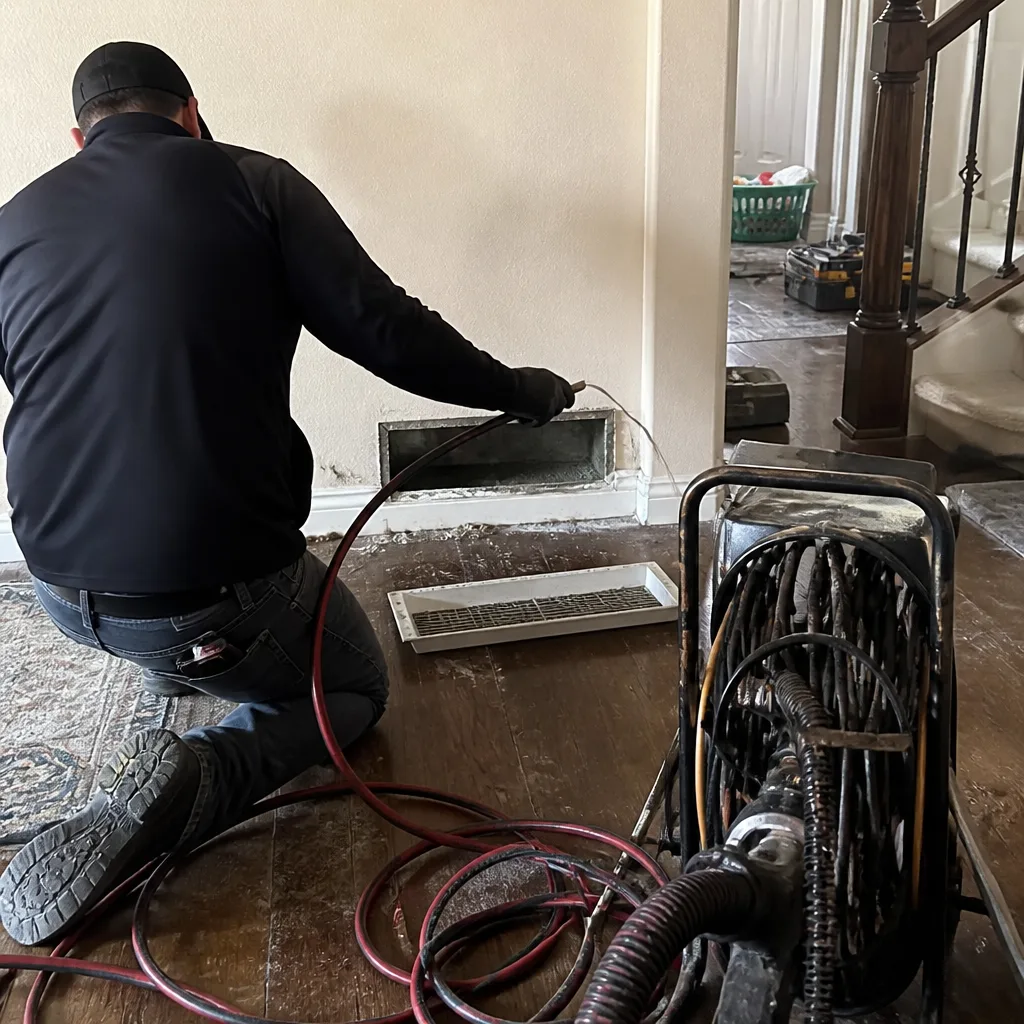 Before
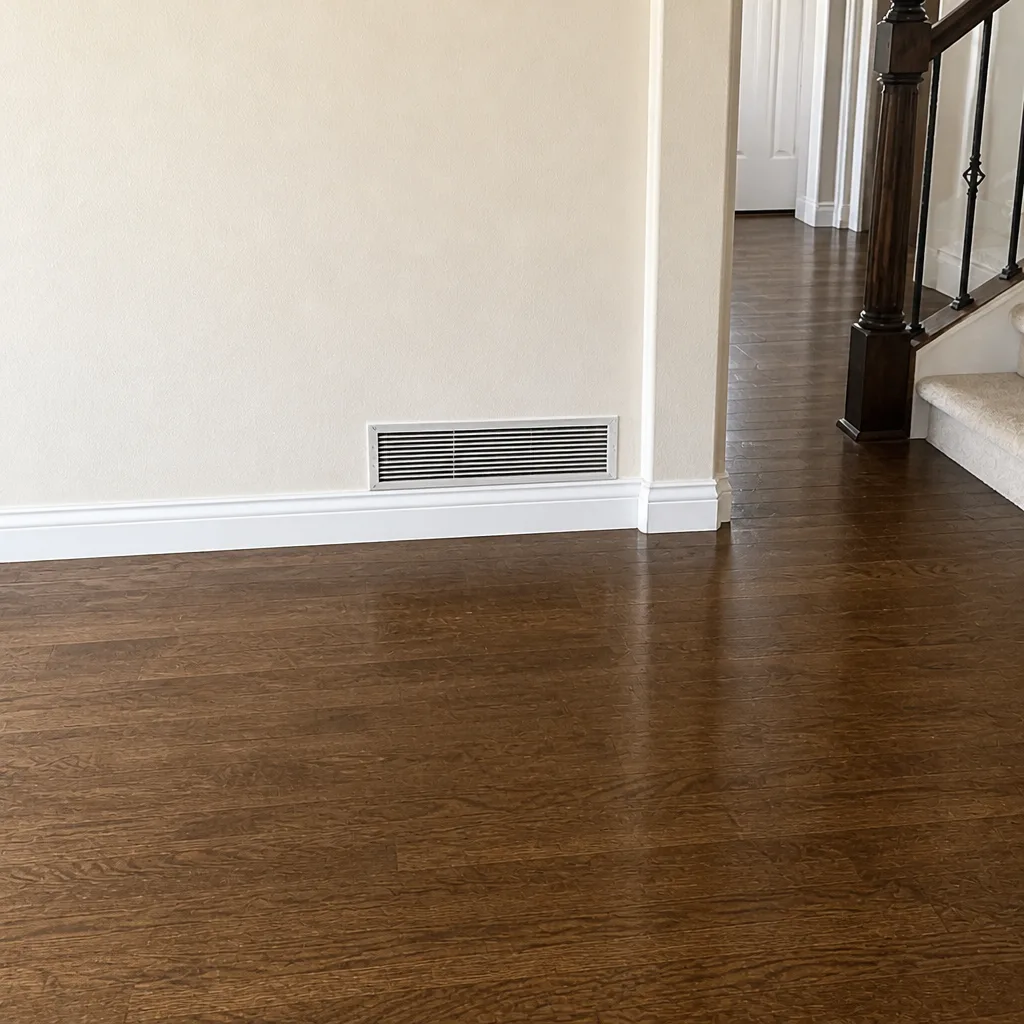 After
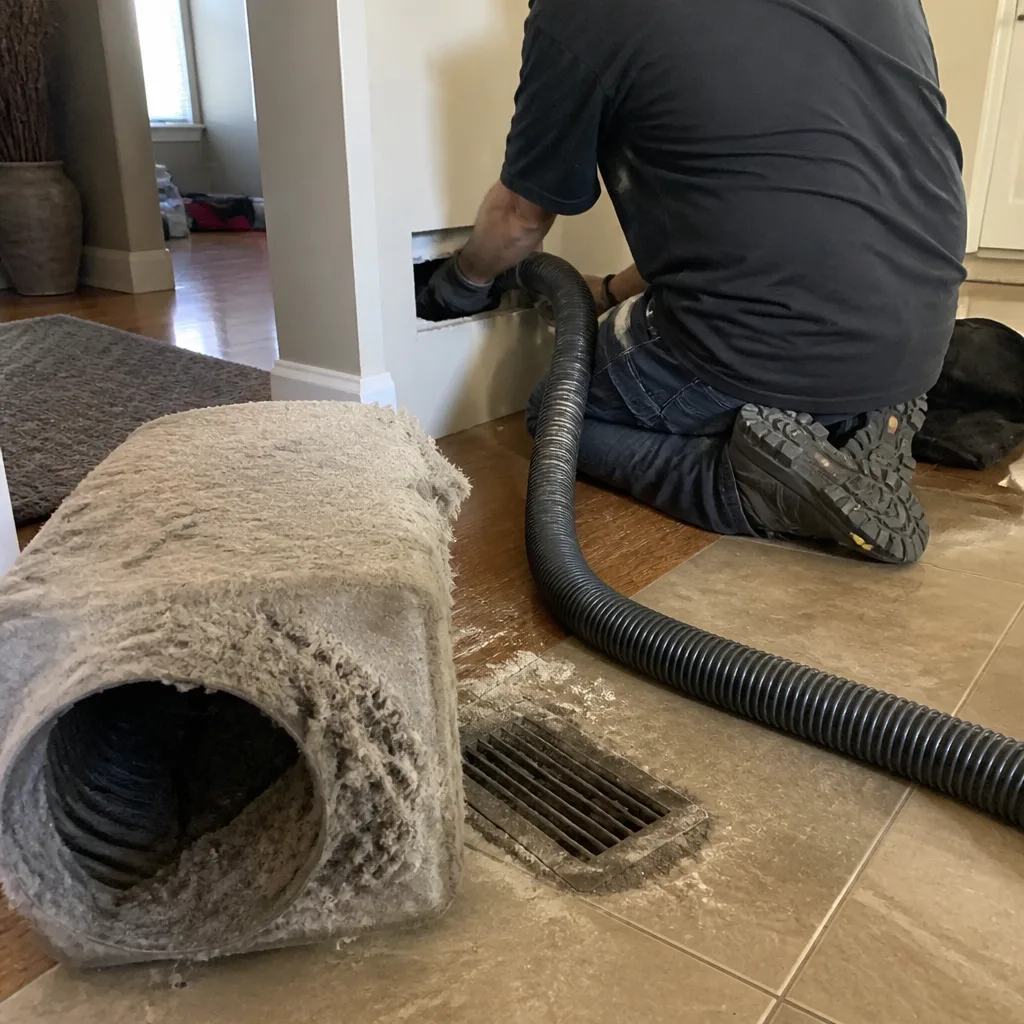 Before
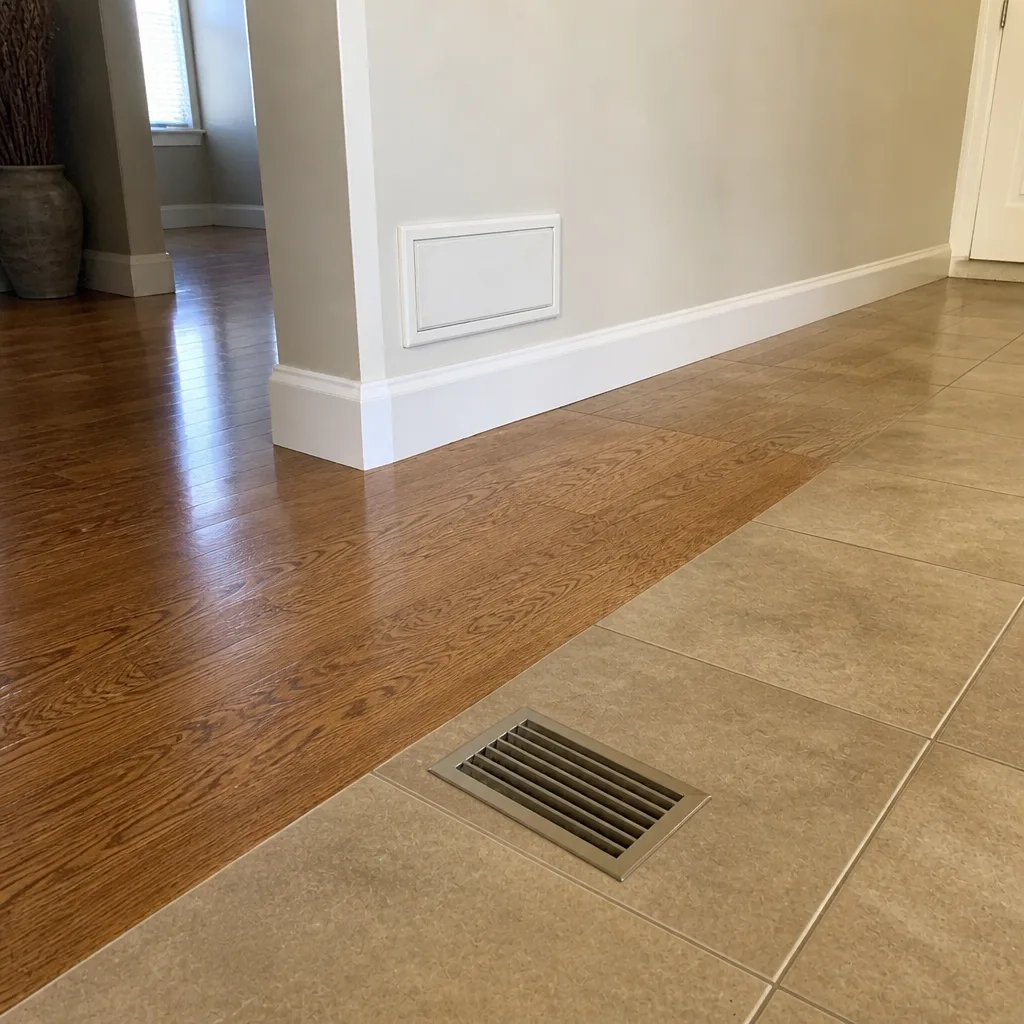 After
 Before
 After
When to Call a Professional
Call when you see visible growth in or around registers, when a musty odor returns after a cleaning, or when a renovation has filled the system with construction dust. Call when you’re planning any duct modification and need to know whether a mechanical permit applies before the work starts. Call when an insurer or a buyer’s inspector has raised a question and you need documentation that the work was done to a defensible standard. Call when an HOA needs to know how equipment will be staged before a visit. These are the situations where the scope and the paper trail matter more than the price. Air Duct Cleaning Washington Park offers free estimates in Washington Park – call (866) 947-8103. We answer 24/7. Fast dispatch from 7am to 7pm, Sunday through Friday, and we’re closed Saturday.
Frequently Asked Questions
No. Routine air duct cleaning in Washington Park does not require a permit. Permits come into play only when the work modifies the duct system – adding or relocating registers, replacing duct sections, or connecting new mechanical equipment – which is a Denver Metro mechanical permit question. Call (866) 947-8103 for an exact quote – estimates are free.
It becomes remediation when active microbial growth is confirmed on duct surfaces beyond a small isolated area, or when a musty odor persists after a documented cleaning. At that point, Colorado Department of Public Health and Environment guidelines on scope, containment and post-remediation verification apply. Call (866) 947-8103 to have the condition assessed before you commit to a scope.
You should receive a written scope of work, a containment protocol, before-and-after photos of your actual system, post-clearance results, and an equipment list naming the professional-grade systems used. Without those, the work is hard to defend to an insurer or a buyer’s inspector. Call (866) 947-8103 – estimates are free.
They can. HOAs in denser Washington Park neighborhoods sometimes restrict vehicle parking, hose routing across common areas and early-morning setup noise in attached housing. Checking with your HOA beforehand keeps the visit on schedule. Call (866) 947-8103 for an exact quote – estimates are free.
Most homes do fine with a cleaning every few years, but renovations, water intrusion history and pets shorten that interval substantially. The condition of your system, not a calendar, should set the schedule. Call (866) 947-8103 for an inspection and a free estimate.
Cheap quotes usually skip the inspection, use consumer-grade vacuums, and leave you with no documentation – which costs more later when a mold question or a resale inspection comes up. We set one flat price per system before work starts, with no per-vent pricing, and we show you before-and-after photos of your own ducts. Call (866) 947-8103 for an exact quote – estimates are free.
The Bottom Line
Routine duct cleaning in Washington Park is maintenance, and it doesn’t need a permit. The moment the job crosses into confirmed mold growth, duct modification, or post-renovation contamination cleanup, Colorado guidelines and Denver Metro mechanical permitting create real obligations – and real documentation requirements. The contractors who skip those obligations leave homeowners without the paper trail that insurers and buyers rely on. Keep the scope, the photos, the equipment record and any clearance results. Ask which side of the line your job falls on before work begins. And if the answer isn’t clear, call (866) 947-8103. We answer 24/7. Fast dispatch from 7am to 7pm, Sunday through Friday, closed Saturday.
Written by the team at Air Duct Cleaning Washington Park.