
Last updated November 25, 2026
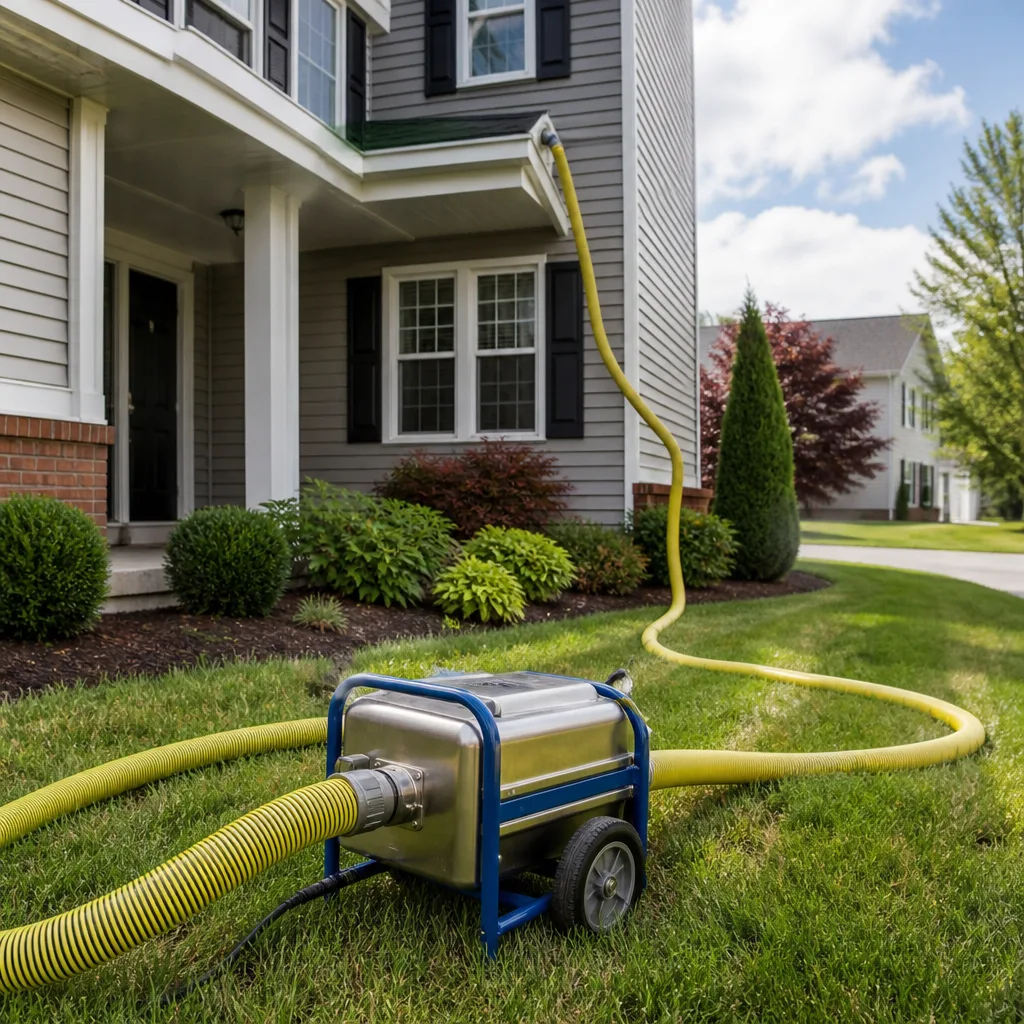 Whole-home duct cleaning
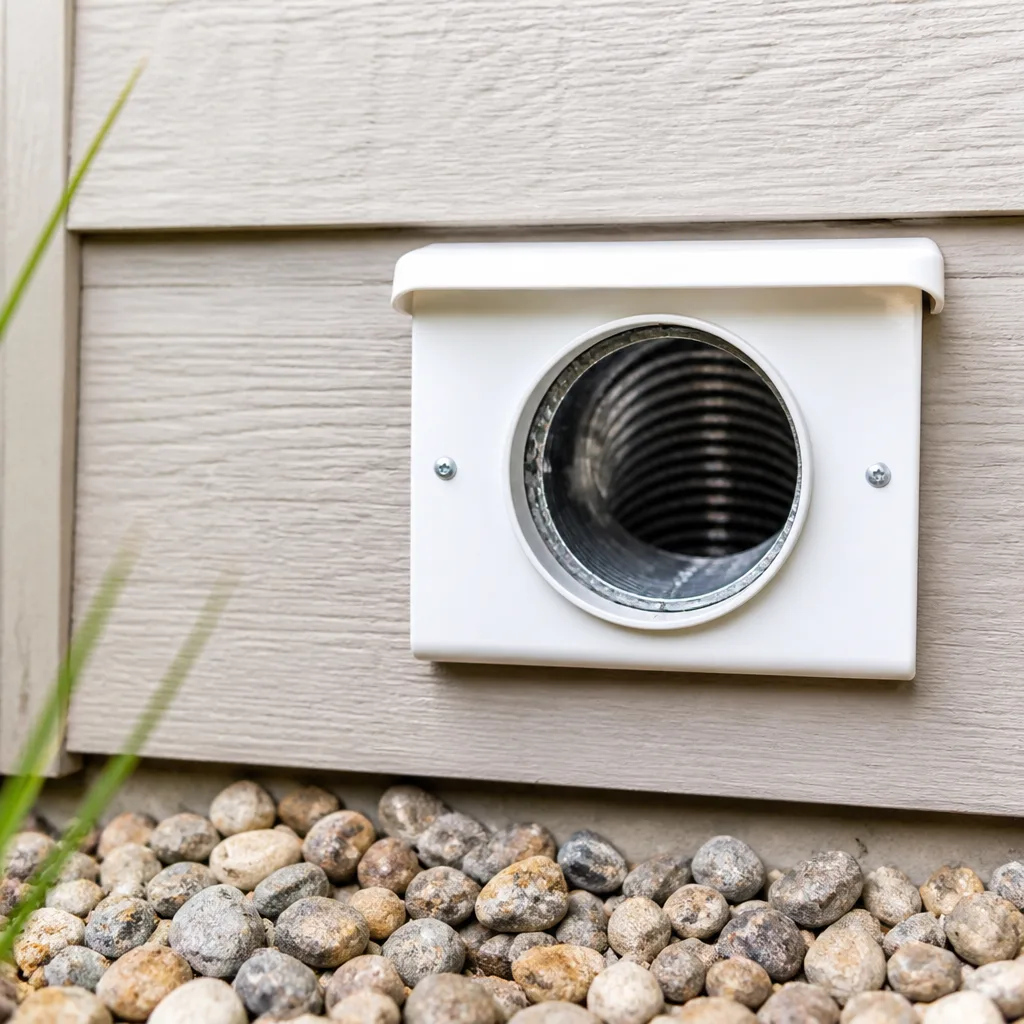 Dryer vent cleaning
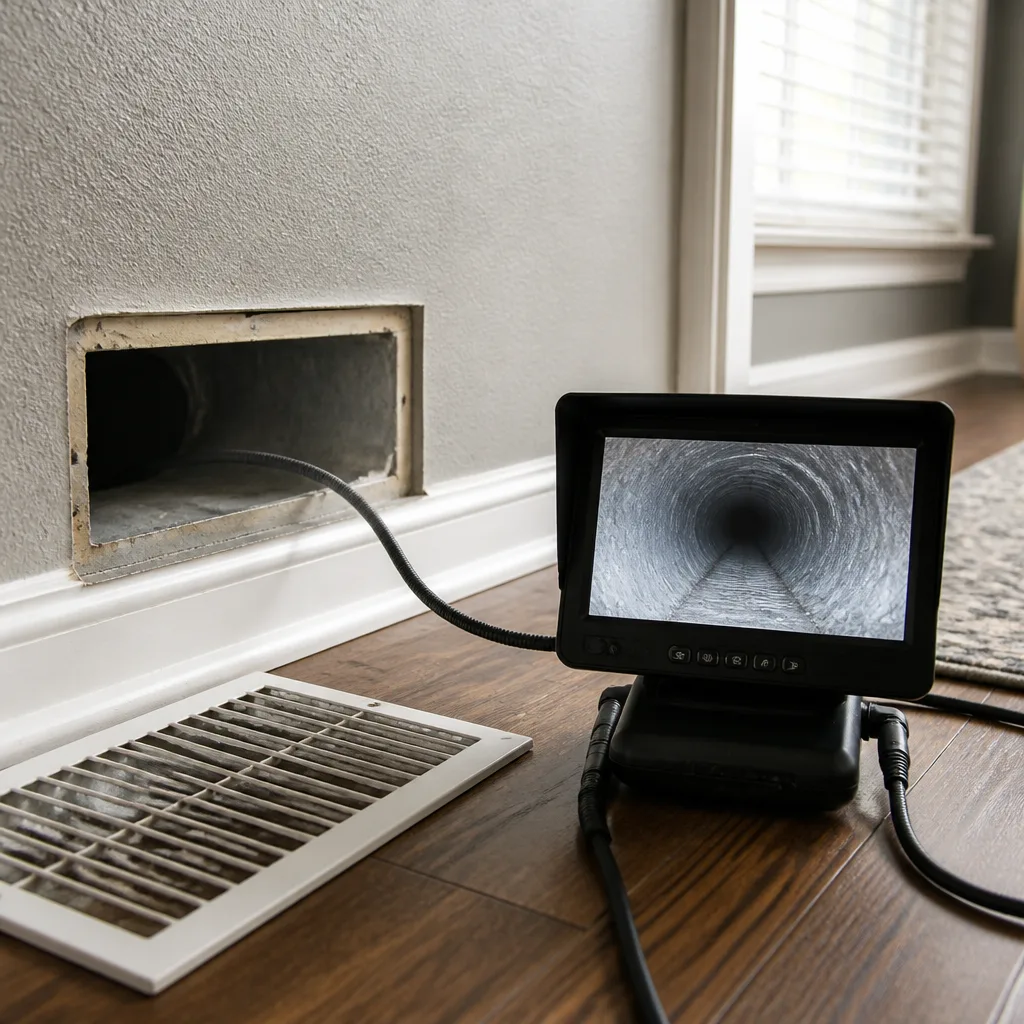 Camera inspection
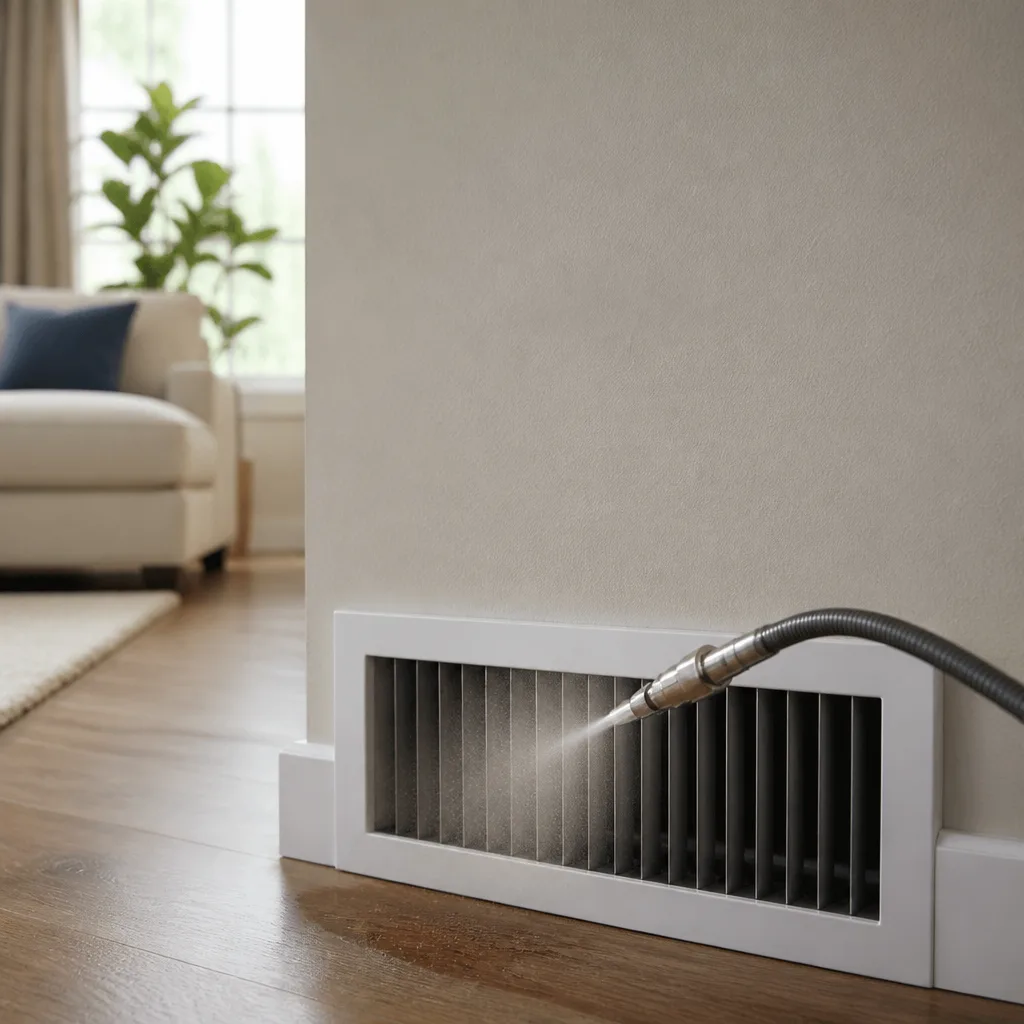 Sanitizing & deodorizing
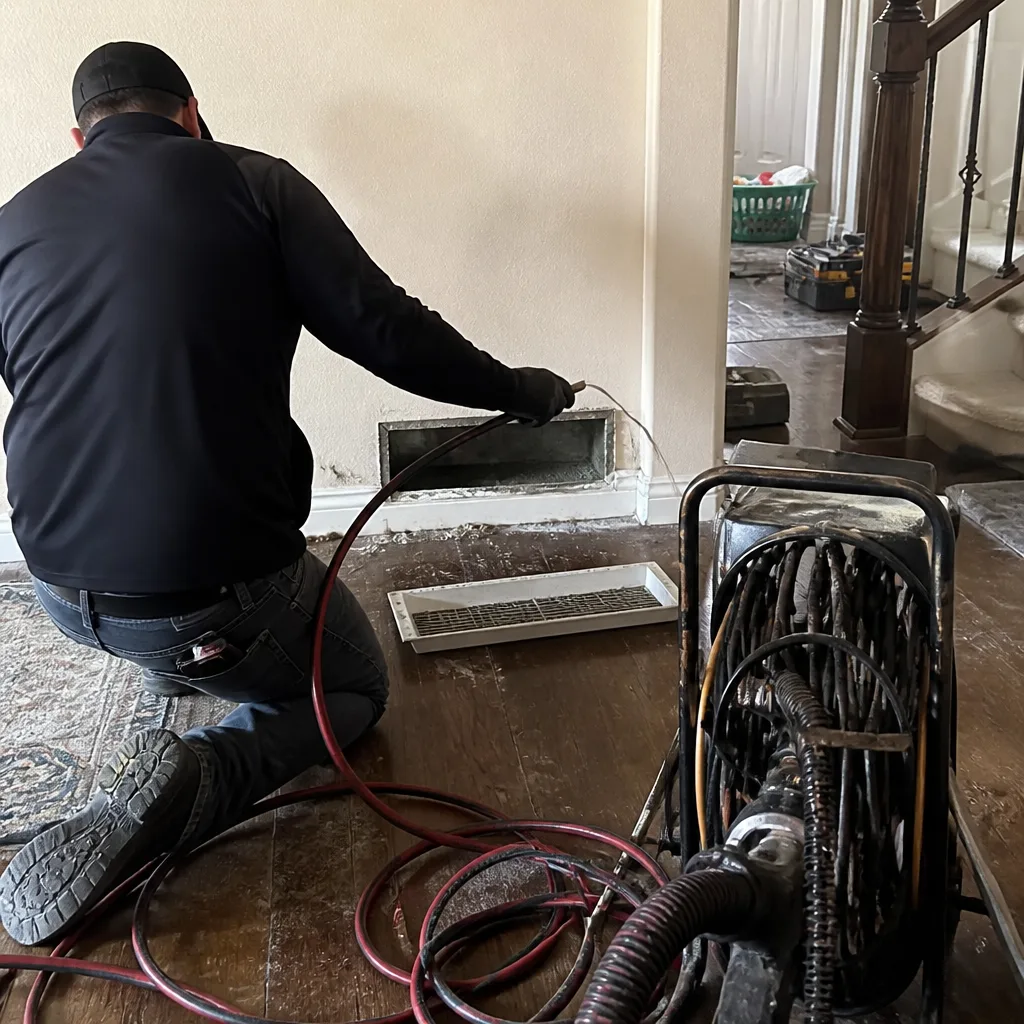
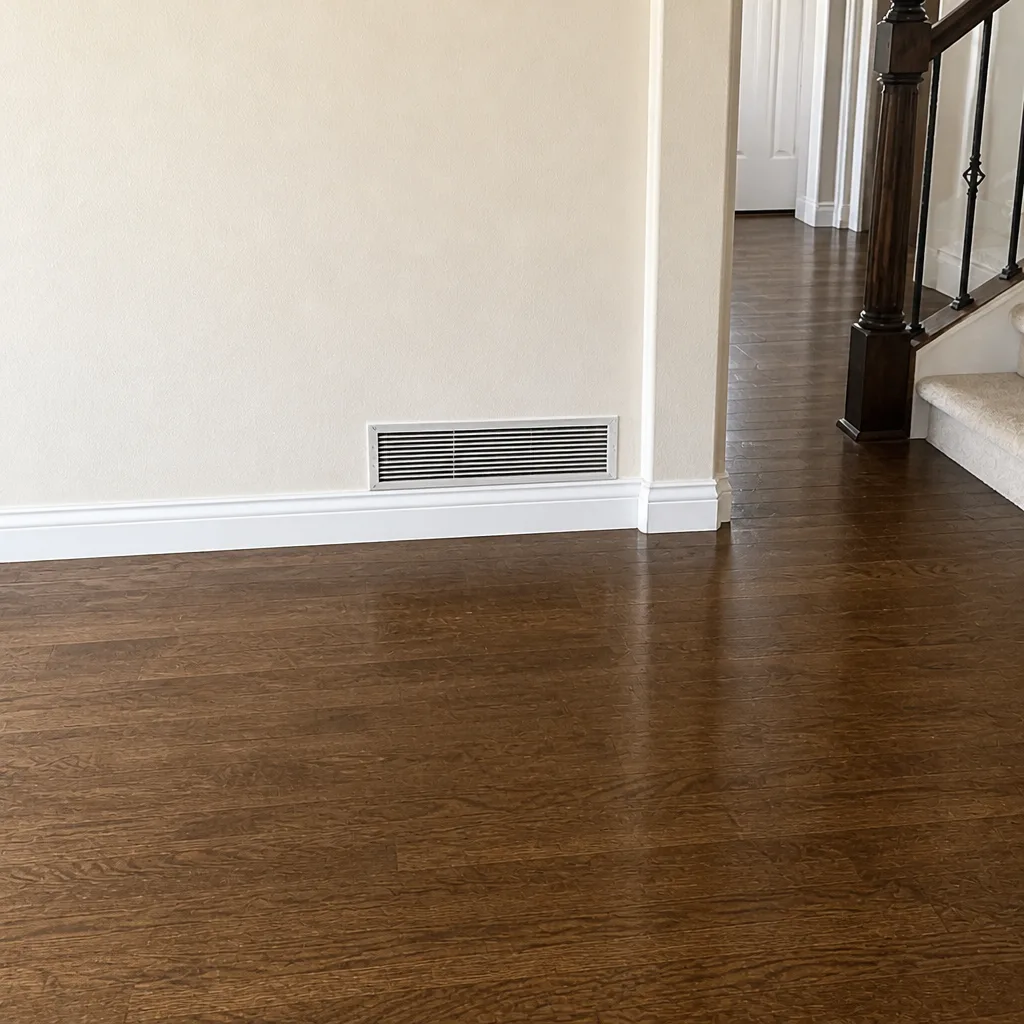
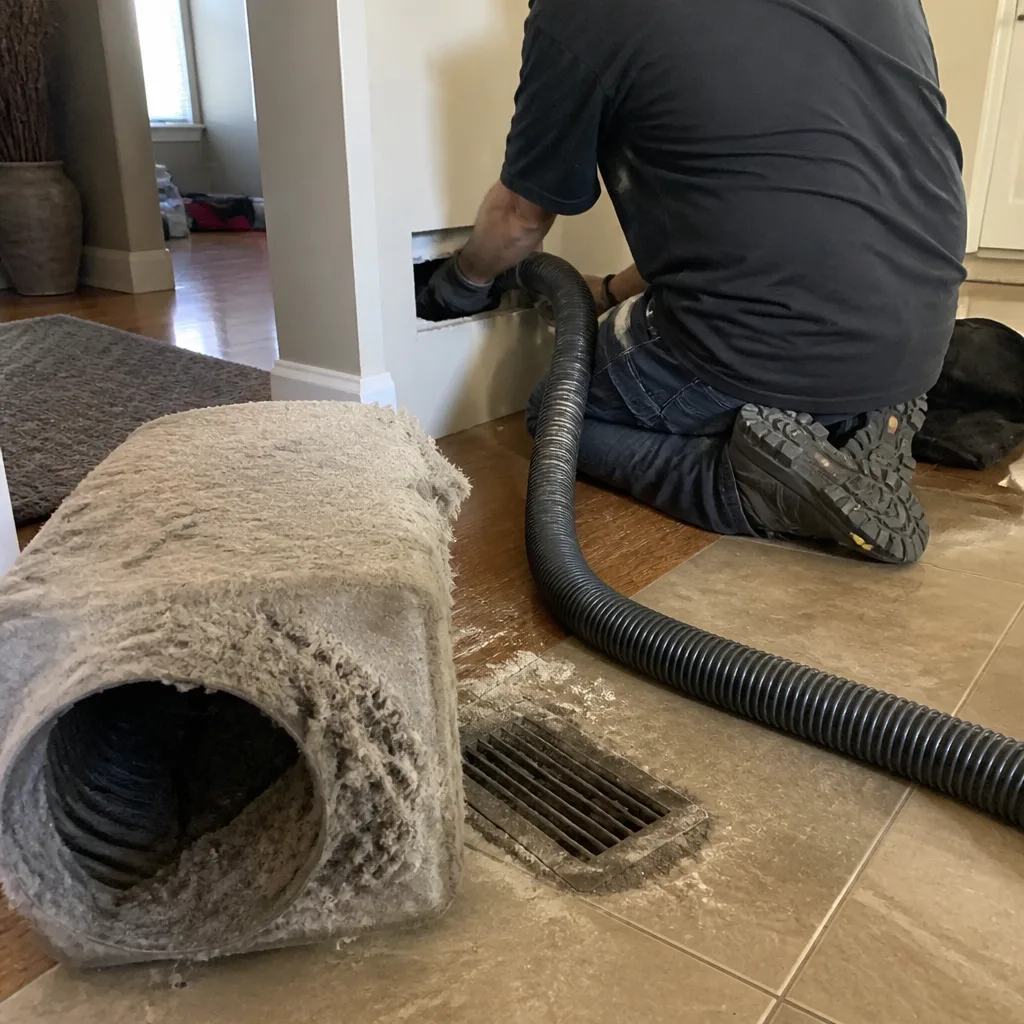
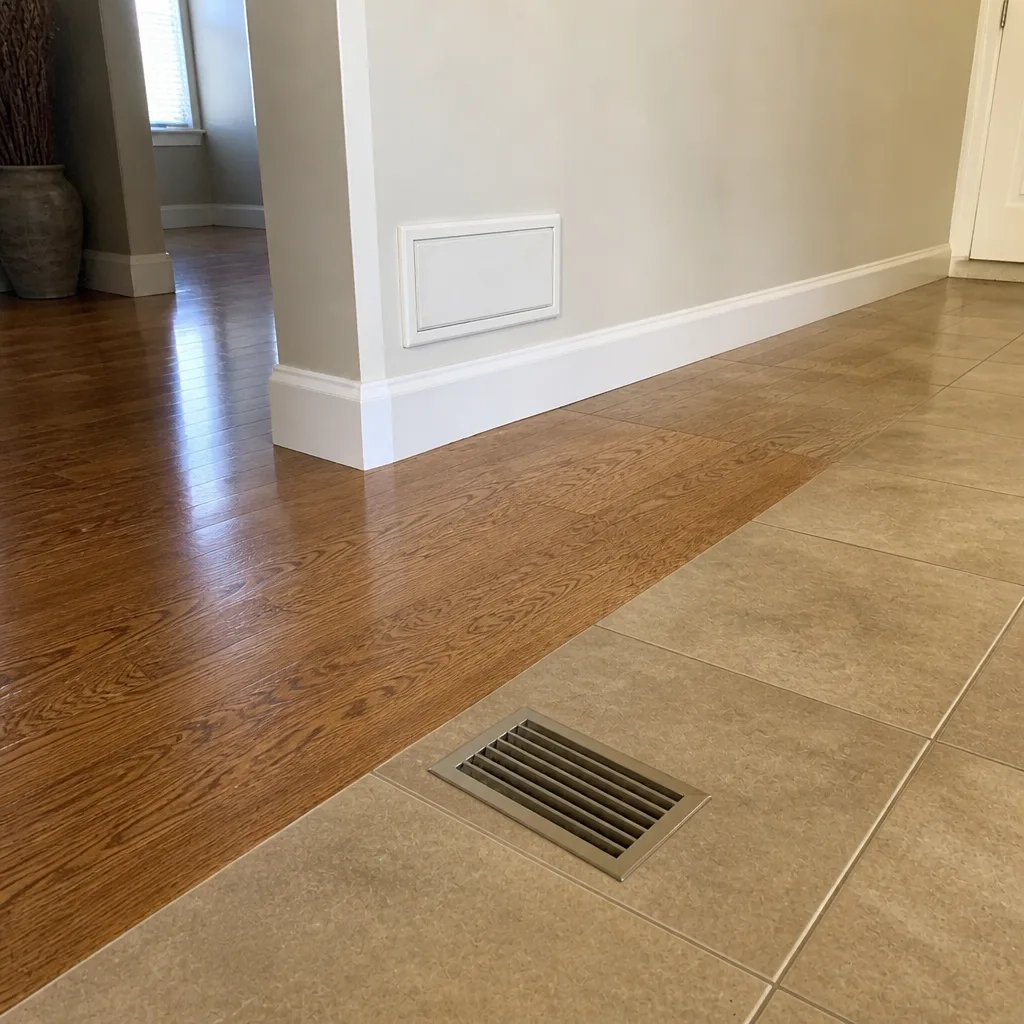
Whole-system duct and dryer vent check with before-and-after photos - you see exactly what came out of your vents
That "$99 whole-house special" is a bait ad - the real number appears once they are in your hallway, or the "clean" is a shop-vac at the register. We photograph the inside of your ducts before and after instead.
Choosing the Right Air Duct Cleaning Brand: A Buyer’s Guide for Washington Park
Asking a duct cleaning company what equipment they use and getting a brand name back is a good start. But it’s the follow-up question that separates a real air quality contractor from a company that bought one machine and built a website around it: do you bring multiple systems, or is that your only tool? A contractor with a single setup has to make every job fit their equipment. The right approach runs the other way, matching the equipment to what’s actually in your ducts. This guide breaks down what each major system is designed to do, how to match it to your home’s real condition in Washington Park, and what to ask before you book.
Quick Answer
The right air duct cleaning company in Washington Park is one that carries multiple professional systems, not a single machine, and can explain which one fits your contamination profile. Rotobrush handles agitation-first cleaning for adhered debris, Nikro negative-pressure units are built for high-CFM extraction and containment, and Abatement Technologies equipment covers HEPA filtration and remediation-level work. A full-scope contractor carries all three capability sets and tells you why they’re using a given system in your home.
Styles & brands we work with
- Whole-home duct cleaning
- Dryer vent cleaning
- Camera inspection
- Sanitizing & deodorizing
Table of Contents
- Why equipment, not marketing, tells you what a duct cleaner can actually do
- What Rotobrush systems are designed for
- What Nikro negative pressure systems are engineered for
- Where Abatement Technologies equipment enters the picture
- Why a full-scope contractor carries all three capability sets
- How to verify equipment before booking
- The questions that reveal whether the equipment is real
- Matching equipment to your home’s actual condition in Washington Park
Why equipment, not marketing, tells you what a duct cleaner can actually do
Marketing language is nearly identical across duct cleaning companies. Every website promises a thorough job, better air, and cleaner ducts. What differs is the equipment the technician brings through your door, because each system in the professional market is engineered for a specific contamination scenario. No single unit covers every job. That’s the whole point of this guide.
Duct cleaning isn’t one service with one method. It’s a set of distinct jobs that get conflated on most websites. Loose dust in a lightly soiled return line is a different problem from debris bonded to the interior of a duct with moisture. It’s different again from mold amplification in a system serving a damp basement or crawlspace. Each of those calls for different tooling. Treating them as the same job is how a generic clean-and-go visit leaves your system mostly unchanged.
In Washington Park, the seasonal swing matters too. Homes here run heat through dry winter air and then switch to cooling in summer, and ducts pick up a season’s worth of material on each cycle. A home that’s had pets, a recent remodel, or a long stretch of closed windows will carry a different load than a newer build that’s been kept up. The equipment choice should reflect which one you’re dealing with.
Here’s the framework the rest of this guide works from:
- Loose, dry debris responds to agitation plus extraction.
- Adhered debris needs mechanical contact under vacuum.
- Microbial contamination needs containment, HEPA filtration, and sanitizing.
- Structural leakage needs repair and sealing, not just cleaning.
Read the equipment list, not the brochure. A company that carries three systems can work all four categories. One that carries a shop vac and a promise works the first, roughly. That’s the difference this guide helps you see.
What Rotobrush systems are designed for
Rotobrush contact-vacuum systems are built around agitation-first cleaning. The idea is straightforward: if debris has adhered to the wall of the duct, no amount of airflow alone will lift it. A rotating brush head makes physical contact with the duct interior while a vacuum pulls the loosened material into a collection unit, so nothing is brushed loose into your living space.
That combination of contact and simultaneous capture is exactly what a standard shop-vac approach can’t match. A shop vac pulls air; it doesn’t agitate. Brushing without a sealed vacuum just moves the dust from one part of the system to another. Rotobrush handles both at once, which matters in any home where the ducts have visible buildup rather than a light film.
Rotobrush systems are the right call in these situations:
- Adhered debris: light renovation dust, settled lint, or a visible coating on the duct wall that won’t lift from airflow alone.
- Standard residential duct types: rigid sheet metal and the flexible duct runs common in Washington Park homes respond well to the brush-and-vacuum method.
- Light to moderate contamination: the kind of buildup that comes from pets, a nearby kitchen remodel, or a house that’s been closed up for months at a stretch.
- Dry debris with no moisture involvement: homes where the ducts are dry and the problem is accumulated dust rather than biological growth.
Every job we handle runs Rotobrush. Not because it’s the only tool, but because it’s the right starting point for most lightly to moderately soiled residential systems, and we pair it with negative pressure extraction where the condition warrants more. If a company only carries Rotobrush and calls it the answer to every problem, ask what happens when the contamination is heavier than what the brush can lift.
What Nikro negative pressure systems are engineered for
Nikro HEPA extraction units are built around a different job: pulling high-CFM airflow through the system under sealed conditions while filtering the exhausted air. Where a contact vacuum agitates and captures at the brush head, a negative-pressure unit keeps the entire duct run under suction so loosened material moves toward the collection point instead of drifting into your rooms.
Why does that matter? Because in any system where the contamination is beyond a light buildup, agitation without a pressure seal just stirs the problem. A HEPA extraction unit running in a sealed system keeps that material where it belongs. The HEPA stage matters too: it’s not just moving air, it’s moving air through a filter rated to catch particles that would otherwise travel through your HVAC blower and out of your registers.
Negative-pressure extraction is essential in these cases, regardless of how much brushing is involved:
- Heavier contamination loads: systems serving older homes, homes with multiple pets, or homes that have had moisture intrusion at any point.
- Any ducting run adjacent to living space: the more of the system sits inside your conditioned envelope, the more important the sealed capture becomes.
- Post-remediation verification: after a containment-rated clean, pressure extraction and filtration confirm the system is genuinely clear.
- Long or complex duct runs: high-CFM airflow is what reaches the far end of a system when a shop-vac’s airflow drops off.
When we work with the full picture in a Washington Park home, Nikro extraction is the workhorse system for the parts of the job that need to be captured, not brushed into the room. Pairing it with Rotobrush agitation is how a properly documented clean gets done. See air duct cleaning for the full service detail.
Where Abatement Technologies equipment enters the picture
Abatement Technologies equipment is where duct cleaning crosses from maintenance into remediation. Their HEPA filtration, negative air machines, and containment systems are built for jobs where contamination has reached a level that requires isolating the workspace and controlling everything that’s pulled out of the system.
When you hear “negative air machine” or “air scrubber” in the same conversation as duct cleaning, you’re in remediation territory. That’s a different discipline from routine cleaning, and it isn’t a step most duct cleaners ever take. Abatement scrubbers pull air through HEPA filters repeatedly, changing the air inside a contained workspace enough times to bring particulate down to remediation standards. That includes microbial contamination, which standard cleaning does not address at all.
Air qualty and sanitizing service is where Abatement equipment belongs:
- Microbial contamination: when testing or visual inspection indicates biological growth in the system, containment plus scrubbing plus an appropriate sanitizer is the remediation sequence, not a brush-and-vacuum pass.
- Post-water-damage systems: ducts that have carried moisture need containment during cleaning and drying afterward to prevent regrowth.
- Significant mold or odor complaints: persistent musty smells coming through the registers are a signal that the system needs more than mechanical cleaning.
- Commercial spaces in and around Washington Park: the equipment designed for contamination control in commercial projects applies to serious residential remediation as well.
If a company offers “sanitizing” without being able to describe how the air is contained, the sanitizer is being misted into a system nobody controlled. That’s not remediation. Abatement Technologies equipment exists to make the containment real, and it belongs in the equipment list of any contractor who claims to handle contamination-level work.
Why a full-scope contractor carries all three capability sets
A specialist in indoor air quality carries equipment for every category of job because homes don’t arrive pre-sorted. The moment a company has only one system, every job has to fit that system. That’s when you get a heavy contamination job “cleaned” with contact-vacuum brushing alone, or a light dusting job run through remediation equipment it didn’t need.
Bringing all three capability sets to the same service call has practical benefits beyond equipment selection. Ducts, dryer vents, HVAC components, duct sealing, and air sanitizing can be handled under one professional visit rather than coordinating multiple contractors who don’t talk to each other.
That includes duct repair and sealing, which most duct cleaners skip entirely. Cleaning loosened debris is useless if the ducts leak at every joint, and leakage is a well-known source of energy loss. Fixing the root cause is what we mean when we say full-system. It also means the same visit can fold in Honeywell and Aprilaire integration for filtration and humidity control, so the air quality upgrade isn’t a separate phase. Dryer vent cleaning fits the same scope, and it’s a safety category of its own, which is why it’s covered in detail on the dryer vent cleaning page.
Full-system means all of the following get addressed in one coherent service:
- Air ducts and every branch of the system.
- HVAC components including the blower and coil, which are addressed in more detail under HVAC cleaning.
- Dryer vent runs, which carry lint buildup and a real fire risk.
- Duct sealing and repair for the leaks that undermine the whole job.
- Air sanitizing where contamination warrants it.
What a single-system contractor can’t do is choose the right tool. When we take on a Washington Park home, we start with a look at the system and choose the equipment that fits what we find. That’s the difference between a service provider and a specialist.
How to verify equipment before booking
Equipment lists on websites are cheap. Any company can name Rotobrush, Nikro, or Abatement Technologies on a services page. The presence of a brand in text isn’t a guarantee of that machine on the job. Verifying what will actually arrive takes less effort than most homeowners expect if you know what to ask.
Here’s the verification process, in order:
- Ask specifically, not generally. “What machine do you plan to use on our system, and why?” A real answer includes a system name and a reason. A generic answer (“the best equipment on the market”) tells you nothing.
- Ask whether multiple systems come to the job. Even routine cleaning should arrive with a pressure-extraction unit alongside any agitation tool. If the answer is one machine, ask why that one is the right call for your home’s condition.
- Ask for a site assessment first. A proper duct cleaning visit starts with inspection, not a price. A technician who quotes before looking is planning around a template, not your ducts.
- Ask for photos. Before-and-after photos of your own system are the single clearest proof that cleaning happened and that equipment was used properly. Ask whether those are part of the job.
- Ask about the components beyond the ducts. If the answer only addresses air ducts, ask whether sealing, dryer vent, HVAC, and sanitizing are included. A full-scope contractor says yes across the board.
- Ask what happens if contamination is heavier than expected. Real remediation capability means the answer includes containment and filtration, not just “we’ll do a deeper clean.”
It’s a short conversation. Any contractor who carries genuine equipment is happy to answer every question. A contractor who is uncomfortable with any of them is telling you something.
The questions that reveal whether the equipment is real
These are the questions most homeowners never ask, and each one has a specific answer that separates a one-machine operator from a full-scope contractor. The equipment list on a website can say anything. These questions can’t be bluffed past easily.
- “Which system will you use on our specific system, and why?” A real answer matches equipment to condition. A one-system contractor has to say “our machine” regardless of what’s in your ducts.
- “Do you bring a HEPA extraction unit, or is brushing the whole job?” If the answer is brushing only, ask how loosened debris is captured from the far end of the run.
- “How do you handle contamination that goes beyond dust?” The right answer mentions containment, negative air, and a sanitation step. The wrong answer is “that doesn’t really happen” or “we just clean deeper.”
- “Do you do duct sealing?” A specialist does. A company that cleans and leaves leaks in place is cleaning around a bigger problem.
- “Can you show me photos of the ducts before and after?” “We show you what we find” is a claim. Photos of your own system are proof.
- “What’s the price for the whole system, agreed before the work starts?” One flat price per system, given as a written estimate, is how a legitimate contractor works. A per-vent price is how bait-and-switch happens.
In our experience, the company that answers all six cleanly is the one that carries the equipment. The company that dodges any of them is the one to skip. That’s not a judgment about you, it’s a judgment about whether the equipment list on their website means anything.
Matching equipment to your home’s actual condition in Washington Park
Every home in Washington Park has a slightly different contamination profile, and the right equipment selection starts with looking at what’s there. Here’s the matching framework we use, with each category mapped to the equipment built for it:
Light, dry buildup. A typical Washington Park home that’s been well-kept but has a light film of settled dust. Agitation plus contact vacuum is the core of this job. Rotobrush handles it at the source, with a pressure-extraction unit in the system to capture what’s lifted.
Adhered debris with visible coating. Think renovation dust, lint buildup in a home with pets, or a duct that’s been closed up through several seasons. Contact vacuum under negative pressure is the right pairing. This is where the combination of Rotobrush agitation and Nikro extraction outperforms either alone.
Musty odors or moisture-involved systems. Odor complaints or any sign of moisture in the ducts calls for the Abatement Technologies side of the toolkit. Containment, HEPA scrubbing, and sanitizing are the sequence, and mechanical cleaning alone won’t get you there. This is the category most basic duct cleaners can’t handle.
Leaking or poorly sealed systems. Ducts that leak at joints or connections need repair and sealing as part of the job. Cleaning a leaky system and calling it done wastes most of the improvement you paid for. A specialist addresses both.
Homes with pets, recent remodels, or allergy complaints in the household. These homes can combine two or three of the categories above, which is exactly why a contractor with all three capability sets earns the booking. The service also extends beyond ductwork into filtration and humidity control upgrades with Honeywell and Aprilaire product lines, and the Guardsman-line products used in finishing and protection phases protect what’s been cleaned.
If you’re not sure which category your Washington Park home falls into, the inspection answers it. That’s what the site visit is for.
Common Mistakes to Avoid
- Booking based on the lowest per-vent price. Per-vent pricing rewards the contractor for doing less per duct, not more. A whole-system price agreed before work starts protects you from the invoice that grows once the technician is on site. Ask for one.
- Taking a brand name on a website as proof the machine exists. A services page can list Rotobrush and Nikro without a single one of those machines on the vehicle. Ask the follow-up question about whether they bring multiple systems, not one.
- Skipping the site assessment. A quote given before anything has been looked at is a template, not a diagnosis. In Washington Park homes, the difference between a light clean and remediation-level work is often only visible after inspection.
- Assuming cleaning without sealing is the whole job. Duct leakage wastes energy and undoes part of the cleaning’s value. A contractor who can’t offer repair and sealing is leaving a bigger problem in place.
- Accepting “sanitizing” without containment. Misting sanitizer into a system nobody sealed doesn’t clean anything it touches. Real air quality work runs Abatement Technologies scrubbers and HEPA filtration with the workspace contained.
- Not asking for photos. “We cleaned your ducts” is a claim. Before-and-after photos of your own system are the proof. Ask for them at booking, not after.
- Assuming a newer home doesn’t need a look. Newer construction still accumulates dust, and it can also have sealing shortfalls that show up only under airflow. Inspection is cheap; the assumptions are what get expensive.
See the difference
 Before
 After
 Before
 After
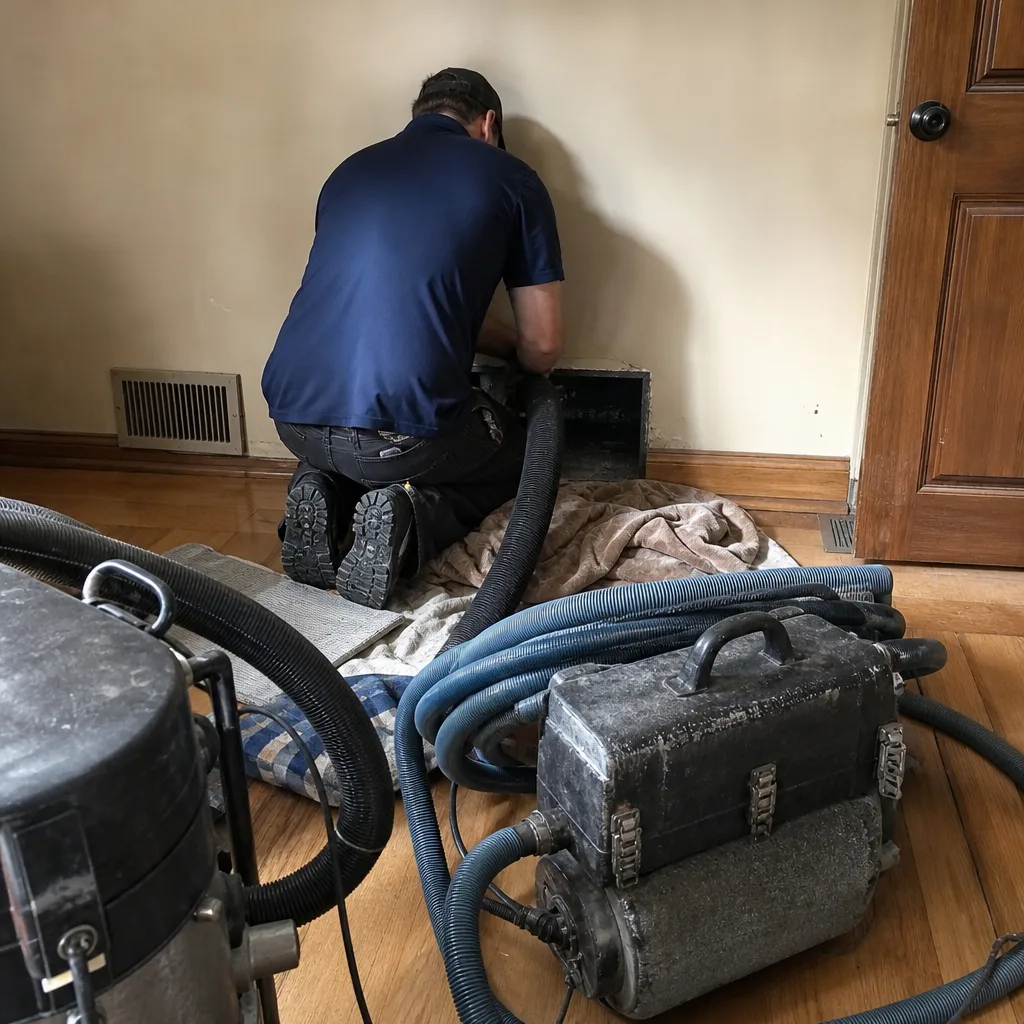 Before
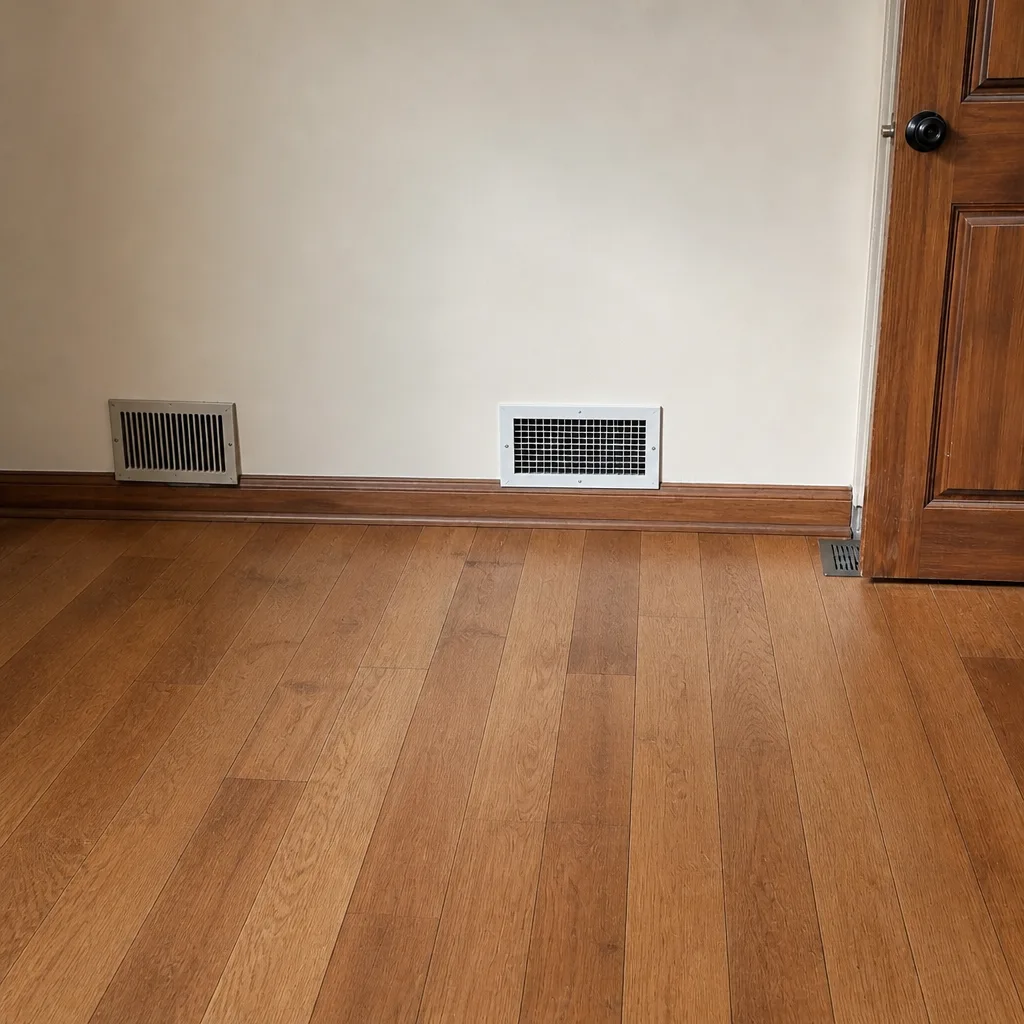 After
When to Call a Professional
Not every home needs duct cleaning on any given year, but some conditions call for a professional visit rather than a wait. If anyone in the household has seasonal allergy or respiratory symptoms that get worse indoors, the ducts are worth inspecting. If you’re noticing a musty smell coming from the registers, that’s a sign of moisture in the system, which is exactly the category that needs Abatement Technologies containment rather than a basic clean. Visible dust blowing from the vents after the system runs, inconsistent airflow between rooms, or unusual buildup on the return registers all point the same direction. So does rising energy cost with no other explanation: leakage in a poorly sealed system is a common culprit. Any of those is a good reason to book an assessment. Air Duct Cleaning Washington Park offers free estimates in Washington Park – call (866) 947-8103. We answer 24/7, with fast dispatch from 7am to 7pm, Sunday through Friday.
Frequently Asked Questions
The price depends on the size of the system and the contamination level, which is why a proper contractor prices the whole system rather than per vent. You’ll get a single flat price per system, agreed before work begins, in a written estimate. Call (866) 947-8103 for an exact quote – estimates are free.
Cheap quotes usually mean a lighter job: one machine, no pressure-extraction, no sealing, no containment, and often a per-vent price that rises once the technician is at the house. The low number is a teaser, not a price. A written, whole-system estimate is what actually tells you what you’re paying for. Call (866) 947-8103 to get an honest number.
Before-and-after photos of your own ducts are the answer, and any legitimate contractor should offer them as part of the job. Ask at booking, not after the visit. Your written estimate plus the photo record is your documentation that the equipment did what it was supposed to. Call (866) 947-8103 for a free estimate and to see how the process works.
For a typical home, every few years is reasonable, but the honest answer depends on your home. A house with pets, recent remodeling, or anyone with allergy symptoms may want a look sooner. A home that’s been well-kept and lightly used can go longer. Inspection tells you which one you’re in. Call (866) 947-8103 to schedule one.
Both is better in most Washington Park homes, because agitation and extraction are doing different jobs. Rotobrush handles the adhered debris at the duct wall; Nikro’s HEPA extraction keeps the loosened material under negative pressure and out of your living space. A single-tool setup has to force every job to fit the one tool. Call (866) 947-8103 and ask which systems come to your home.
Air ducts, dryer vents, HVAC components, duct sealing, and air sanitizing, all under one visit rather than split across contractors. That scope is what lets us match equipment to condition: Rotobrush for agitation, Nikro for pressure extraction, Abatement Technologies for contamination-level work. If sealing or sanitizing matters for your home, all of it can be addressed in one call. Call (866) 947-8103 for a free estimate.
The Bottom Line
The right air duct cleaning company in Washington Park isn’t the one with the loudest website or the lowest per-vent number. It’s the one that carries multiple professional systems and can tell you which one fits your home’s actual condition. Ask whether they bring agitation, extraction, and containment to the same job. Look for Rotobrush, Nikro, and Abatement Technologies on the list, not just in the marketing. Expect a written estimate for the whole system, before-and-after photos, and sealing as part of the scope. That’s the buyer’s framework, and it’s the difference between a clean and a real fix. Call (866) 947-8103 for a free estimate. We answer 24/7, with fast dispatch from 7am to 7pm, Sunday through Friday.
Written by the team at Air Duct Cleaning Washington Park.