
Last updated November 25, 2026
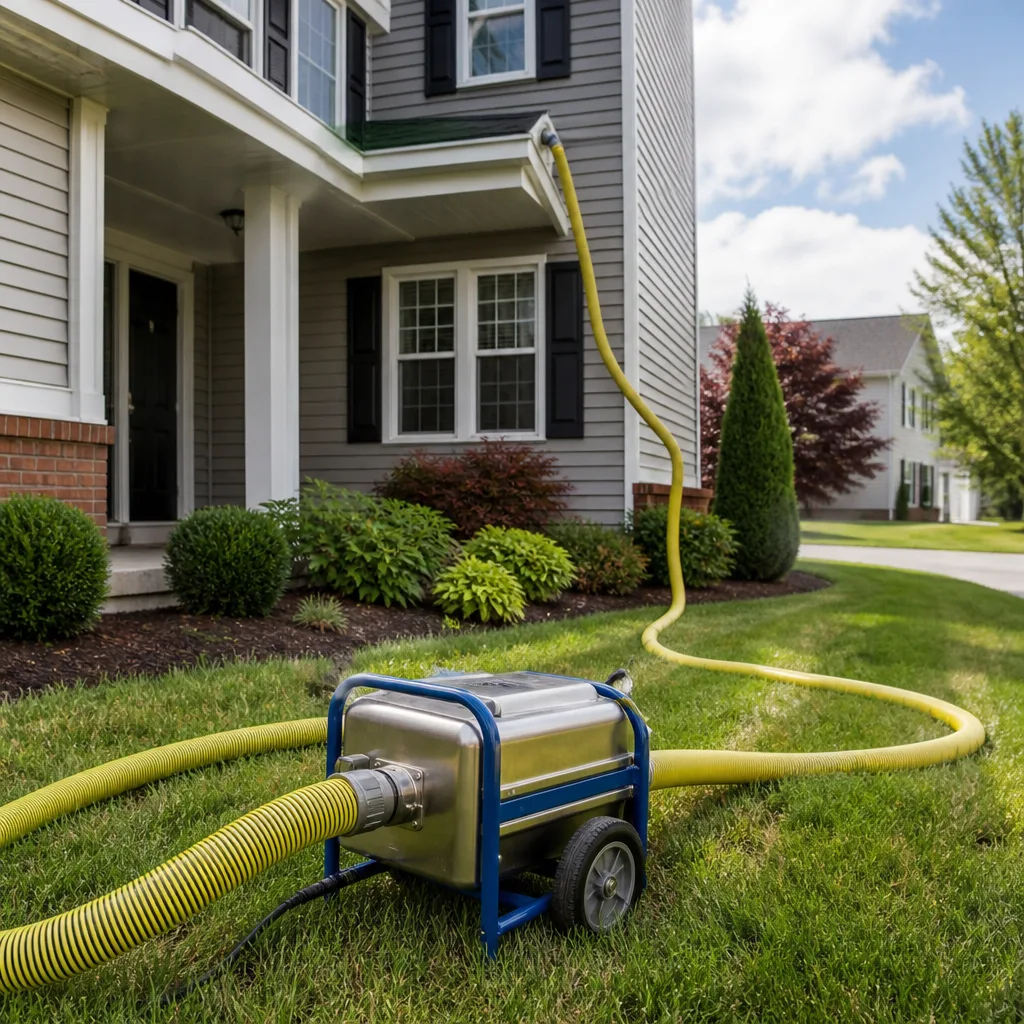 Whole-home duct cleaning
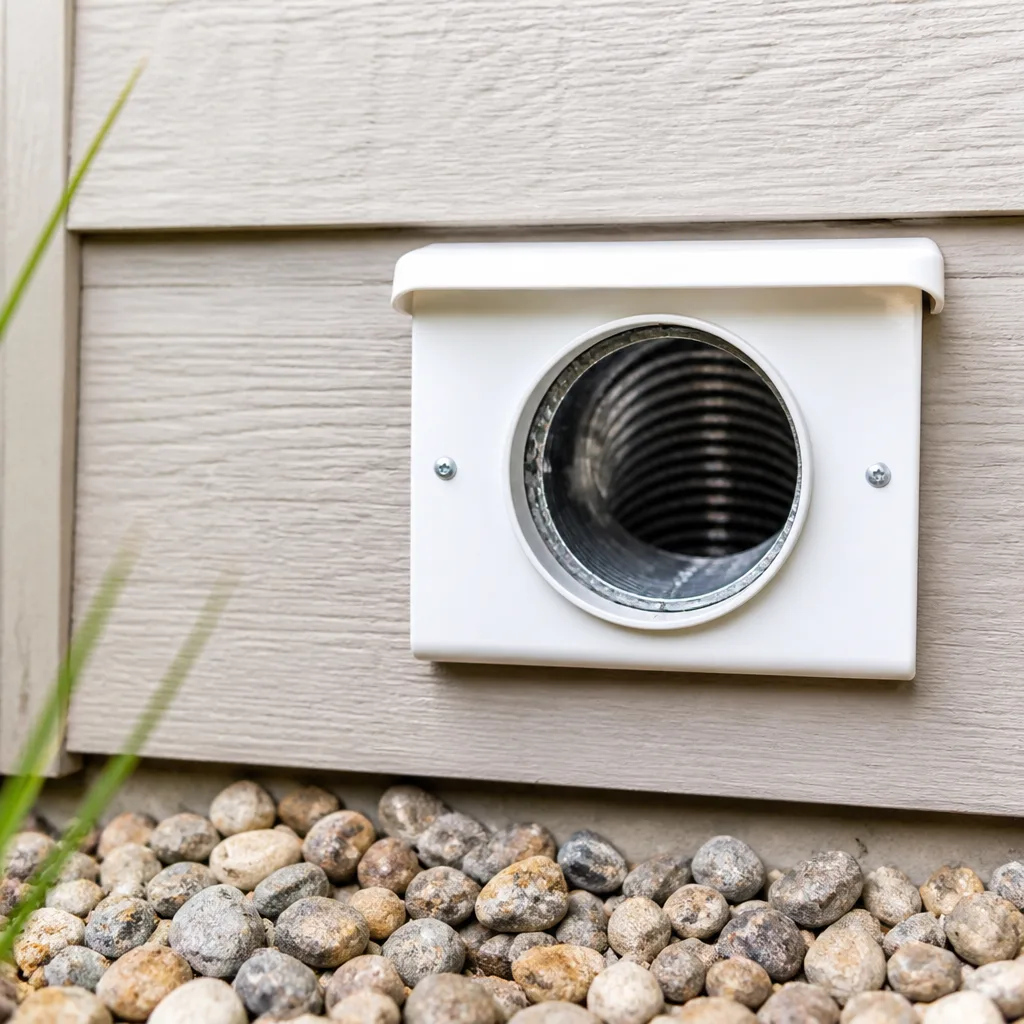 Dryer vent cleaning
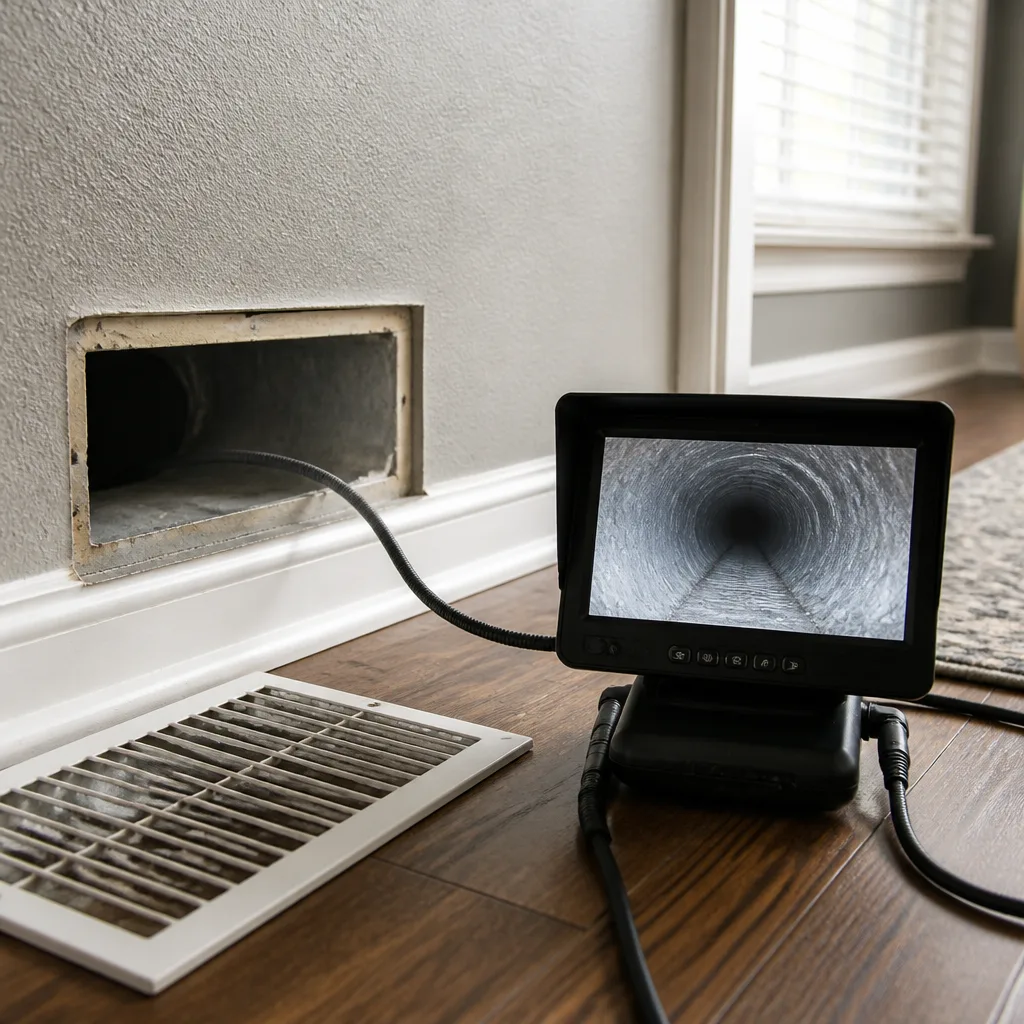 Camera inspection
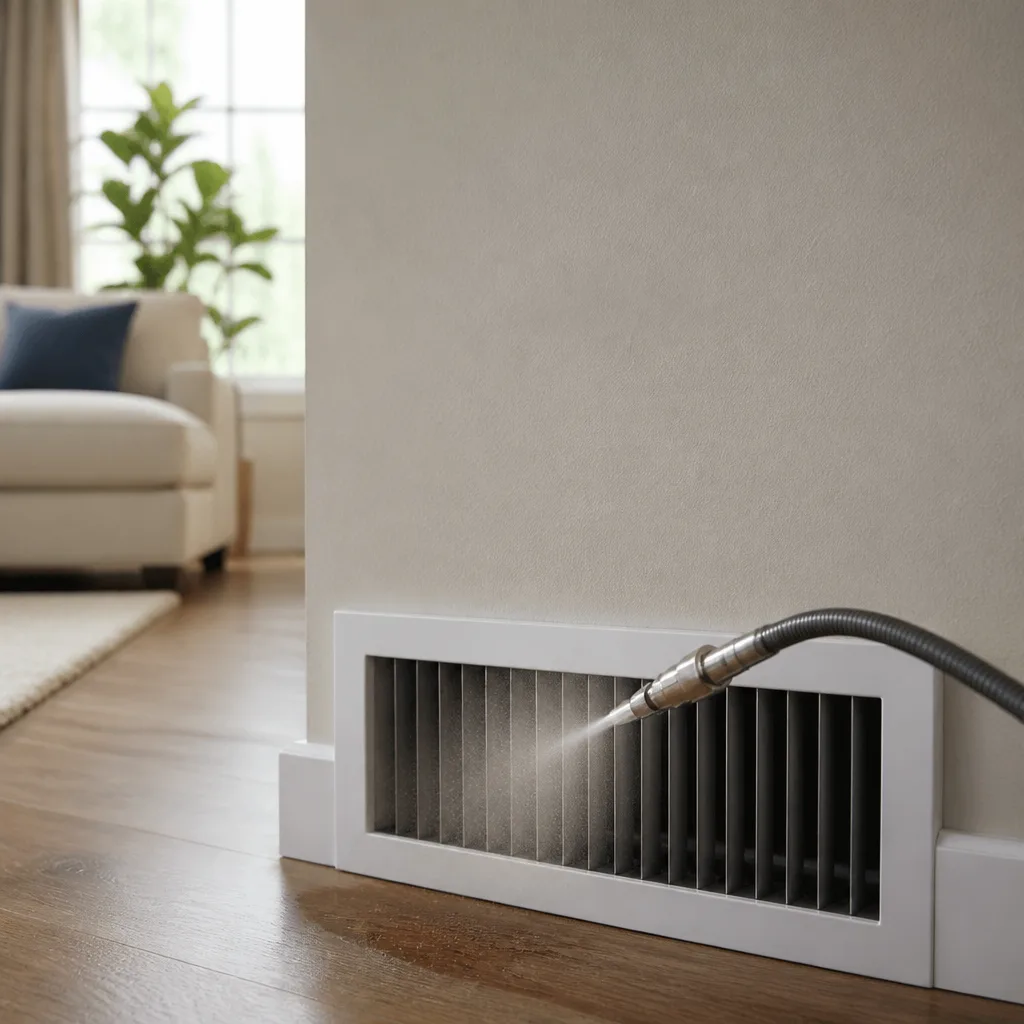 Sanitizing & deodorizing
Whole-system duct and dryer vent check with before-and-after photos - you see exactly what came out of your vents
That "$99 whole-house special" is a bait ad - the real number appears once they are in your hallway, or the "clean" is a shop-vac at the register. We photograph the inside of your ducts before and after instead.
Air Duct Cleaning Maintenance Checklist for Washington Park Homeowners
The filter you change every 90 days is not protecting your ducts. It’s protecting your equipment. Everything the filter catches never enters the blower or the coil, and that’s the point of it. But the dust, pollen, pet hair and fine debris that slip past or settle downstream of that filter collect inside the ductwork itself, and almost no homeowner has a system for tracking what’s happening in there between professional cleanings. That gap is what this guide closes. Below is a between-visit inspection protocol built around what a technician actually looks for, translated into signs you can check yourself in minutes. You’ll learn a monthly register routine, what to log after a Front Range pollen season or a smoke event, how to read filter loading as a proxy for duct contamination, and which maintenance intervals genuinely apply to Washington Park homes by construction era and duct material.
Quick Answer
A practical duct maintenance checklist for a Washington Park home has three layers: a monthly 15-minute visual inspection of every supply and return register, a filter-loading log that tells you when the system is working harder than it should, and a documented professional cleaning on an interval that matches your duct material and the era your house was built. Most Washington Park homes fall into a 3-to-5-year professional cleaning cycle, with annual inspection, though homes with flex duct, heavy pets or recent renovation can need it sooner.
Styles & brands we work with
- Whole-home duct cleaning
- Dryer vent cleaning
- Camera inspection
- Sanitizing & deodorizing
Table of Contents
- The Monthly Register Inspection Routine
- Reading Filter Loading as a Contamination Proxy
- What to Log After Pollen Season and Smoke Events
- Maintenance Intervals by Construction Era and Duct Material
- What to Photograph Before a Professional Cleaning
- Verifying the Work After the Visit
- Duct Sealing and IAQ Upgrades Worth Planning For
- When to Stop Checking and Call a Professional
The Monthly Register Inspection Routine
This is the core of the checklist, and it takes under 15 minutes once you’ve done it a couple of times. The goal is not to clean anything. It’s to notice change. A register that looked fine last month and looks different now is telling you something, and catching it early is the difference between a routine cleaning and a remediation job.
Work through the house room by room with a flashlight and a phone camera. At each supply register, look at four things:
- The register face and louvers. A thin, even film of dust is normal. A visible mat, fuzz, or dark staining around the edges is not. Photograph it.
- The first inch of duct visible behind the grill. Shine the light in at an angle. You’re looking for debris clinging to the walls, not just resting on the bottom.
- The airflow feel. Hold your hand a few inches away. Compare it mentally to the same register last month. A register that’s gone weak while others stayed strong points to a branch problem, not a whole-system problem.
- Odor. Cup your hand and smell the airstream. Musty, sour, or “dirty sock” smells are worth logging with the date.
Do the same at every return grille, which is where most of the loading actually shows up. Returns pull the heaviest debris, so they’re your early-warning indicator. In Washington Park’s older housing stock, returns are often undersized for modern furniture layouts, and a return that’s been partly blocked by a couch or a bookshelf will load up faster than the rest of the system. Note anything that’s changed since last month and keep the photos in a folder on your phone. That folder becomes the before-picture set you’ll want later.
Reading Filter Loading as a Contamination Proxy
Your filter is a sensor if you let it be one. The rate at which it loads tells you how much particulate is moving through your system, and a filter that used to last 90 days and now looks gray at 45 is a signal that something upstream has changed. It might be a new pet, a nearby construction project, more open windows, or a developing duct leak pulling attic or crawlspace air into the return.
Set up a simple loading log. You don’t need anything more than a notes app or a sheet of paper taped inside the air handler closet door:
- Date installed and date pulled for every filter change
- Apparent loading at pull time: light, moderate, or heavy
- Any change in the house during that window: pets, renovation, wildfire smoke days, open-window season
- Filter type and MERV rating, if you’re using rated filters
After three or four cycles you’ll have a baseline. From then on, a filter that loads noticeably faster than your baseline is your cue to do a register inspection sooner rather than waiting for the monthly date. This is also where filter choice matters. A very high-MERV filter on an older system can restrict airflow and cause its own problems, so it’s worth having that conversation with a professional rather than guessing. When we set up filtration as part of a cleaning visit, we’re working with Honeywell and Aprilaire product lines because they’re matched to the equipment and give you a rated, predictable filter rather than a generic panel from the hardware store. The point isn’t the brand. It’s that a filter you can trust to behave consistently makes the loading log actually mean something.
If your log shows loading that keeps accelerating despite no household changes, that’s an inspection trigger, not a filter problem. Something is introducing debris into the return side, and it’s usually either a leak or a return that’s drawing from a dirty space.
What to Log After Pollen Season and Smoke Events
Washington Park sits in a stretch of the Front Range where two seasonal events hammer duct systems harder than most homeowners realize. The first is the spring pollen load from the cottonwoods, elms and other mature trees that make the neighborhood’s streets so walkable. The second is wildfire smoke, which in recent years has arrived in waves during summer and early fall and pushed fine particulate deep into homes that keep windows closed.
Both events leave a signature you can document. After pollen season, do a full register inspection in the first week of summer and note:
- Any yellow or green film on register faces and return grilles
- Visible accumulation on the blower-side of the filter (a filter that’s loaded with fine, powdery material rather than gray dust)
- New or worsening symptoms in household members during the weeks after peak pollen
After a smoke event, the checklist is different. Smoke particulate is fine enough to travel through a system and settle on duct walls, and it leaves an odor signature. Log:
- The dates of the smoke event and how many days the house was closed up
- Whether you smelled smoke indoors while the system was running with windows shut
- Filter appearance after the event: fine gray or brown staining is worth noting
- Any persistent odor at registers in the weeks after
Keep these seasonal notes with your monthly log. Over two or three years you’ll see a pattern, and that pattern is what tells a technician whether your system needs a routine cleaning or something more. Smoke and pollen seasons are also the strongest argument for air sanitizing as part of a cleaning visit rather than cleaning alone. Mechanical cleaning removes debris; sanitizing addresses what’s left on the surfaces. We deploy Abatement Technologies air scrubbers for that phase because they’re built for contamination control, not just air movement.
Maintenance Intervals by Construction Era and Duct Material
There’s no single right interval, and any company that quotes you one number for every house is guessing. In Washington Park, the housing stock spans a wide range of eras, and duct material matters as much as age. Use this as a starting framework, then adjust based on what your monthly log shows.
- Pre-1950 homes with original galvanized ductwork: Every 3 to 4 years, with annual inspection. These systems often have irregular runs, fewer returns than modern layouts, and joints that have had decades to loosen. Duct sealing is frequently worth doing alongside cleaning.
- 1950s to 1970s homes with sheet metal and early flex branches: Every 3 to 5 years. The flex sections are the weak point; they sag, kink and collect debris at low points.
- 1980s to early 2000s homes with flex duct throughout: Every 3 to 4 years, and inspect annually. Flex duct has a ribbed interior that holds debris far more than smooth metal, and it’s also easy to damage during cleaning if the equipment isn’t right. This is where professional-grade contact-vacuum systems like Rotobrush matter; a brushing alone on flex duct can tear the liner.
- Recent builds and gut renovations: First cleaning within the first two years after construction or major renovation. Construction debris, drywall dust and framing dust settle in the system and need to come out once, properly, before you settle into a normal interval.
- Any home with pets, smokers, or occupants with allergies or asthma: Tighten every interval above by roughly a year.
Duct material is the other variable. Smooth galvanized metal cleans well and holds less. Flex duct, duct board, and older lined duct all trap more and are more sensitive to how they’re cleaned. If you’re not sure what you have, pull a register and look in with a flashlight before you book anything. Knowing your duct type puts you in a much better position to ask the right questions.
What to Photograph Before a Professional Cleaning
The most common complaint about this trade is that nobody can prove what happened. Photographing before and after is how you fix that, and it takes ten minutes. Do it the day before a scheduled cleaning, not the morning of.
- Every register, face-on. One photo per supply and return, close enough to show the louvers and the surrounding wall or floor. Name them by room.
- Inside the return grilles. Flashlight in, photo of the visible duct interior. These are your most important shots because returns show the most loading.
- The air handler and filter compartment. Wide shot, then a close shot of the filter before you change it.
- Any visible seams, joints or disconnected sections. If you’ve noticed a gap at a joint, photograph it. That’s a repair item.
- The dryer vent exterior termination. Photograph the flap and the area around it. Dryer vent cleaning is often done on the same visit and this gives you a baseline for airflow. If it’s been a while, that’s a reason to book dryer vent cleaning alongside the ducts.
- A wide shot of the mechanical room or closet so you can see the general condition.
Save them in one folder with the date in the name. After the cleaning, take the same shots from the same angles and keep the pair. If a company won’t let you photograph or won’t show you what they pulled out, that’s useful information too. “We show you what we find” is not a slogan here; it’s the reason the documentation step exists in the first place.
Verifying the Work After the Visit
Once the cleaning is done, your job is to confirm, not to trust. Do this the same day, while the visit is still recent enough that questions are easy to raise.
- Compare your before-and-after photos register by register. The duct interior visible behind each grille should look different, not identical.
- Run the system and check airflow at every register. Airflow should be even and strong. If one register is weaker than before, say something.
- Smell the airstream at a few registers. If a musty or chemical odor is stronger than it was before the visit, ask what was used and whether it’s expected to dissipate.
- Check the filter. A fresh filter should be in place or your existing one reinstalled cleanly. Ask what was done if you’re not sure.
- Ask for the documentation. A proper job produces before-and-after photos of your system, not generic marketing images.
Two or three weeks later, do a normal monthly inspection and compare it to your pre-cleaning log. Registers that were loading quickly before should be loading more slowly. If nothing has changed, that’s a conversation to have with the company that did the work. Our full-system approach covers ducts, HVAC cleaning, dryer vents and sanitizing in one visit precisely so there’s a single point of accountability for the whole air path, not a scattered set of contractors each pointing at the other.
Duct Sealing and IAQ Upgrades Worth Planning For
Cleaning removes what’s in the system. It doesn’t fix what’s wrong with the system. That distinction matters most for leakage, and leakage is the root cause behind a lot of the symptoms homeowners notice first: uneven airflow, rooms that never quite get comfortable, and energy bills that creep up without explanation.
When we inspect a Washington Park home, we’re looking at the whole air pathway, and that includes the joints, connections and transitions where ductwork loses air. Sealing those gaps is often the single most useful thing you can do after a cleaning, because a sealed system holds its pressure, delivers air where it’s supposed to, and pulls less unconditioned air from attics, crawlspaces and wall cavities. If your monthly log has been showing one side of the house consistently weaker than the other, leakage on that branch is a strong candidate.
IAQ upgrades are the other piece worth planning for rather than rushing. Filtration and humidity control are the two levers that make the biggest difference in this climate, and both can be addressed as part of the same service call through Honeywell and Aprilaire product lines. A rated filter cabinet, a properly sized whole-home humidifier, or both, installed alongside a cleaning and sealing visit, is far more coherent than piecing them together later. The reason to plan it is that these decisions interact. Filter rating affects airflow; airflow affects humidity control; humidity affects how the system behaves through the dry winter months. Getting them right together is easier than fixing them one at a time.
This full-system scope is what separates a proper job from a commodity clean. It’s also why we run professional-grade equipment rather than consumer alternatives: Rotobrush contact-vacuum systems for the ducts, Nikro HEPA extraction for fine particulate, and Abatement Technologies air scrubbers for sanitizing work. Different tools for different phases, because a shop vac and a promise doesn’t cover the range of what a real system needs.
When to Stop Checking and Call a Professional
Most things on this checklist are things you observe and log. A few are things you stop logging and act on. Call a professional if any of these apply:
- Visible debris or staining at multiple registers that doesn’t improve after a filter change
- A persistent musty or sour odor from the airstream that’s been there for more than a couple of weeks
- Weak airflow at one or more registers that you’ve confirmed isn’t a closed damper or blocked return
- Visible gaps, disconnected sections or crushed flex duct anywhere you can see or reach safely
- A filter loading rate that keeps accelerating despite no changes in the household
- A recent renovation, water intrusion, or pest activity that could have introduced contamination
- Household members with allergy or asthma symptoms that worsen indoors and improve away from home
None of these require you to open equipment, get on a ladder, or reach into ductwork. Look, log, and call. Air Duct Cleaning Washington Park offers free estimates in Washington Park. Call (866) 947-8103 and we’ll walk through what you’ve documented and tell you what we’d look at first. Our technicians have up to 9 years of experience with everything from routine maintenance to contamination-level remediation, and the written estimate sets the final price. For a fuller picture of what a proper air duct cleaning involves, that page walks through the equipment and the phases of the job.
Common Mistakes to Avoid
- Treating the filter as the whole system. Changing filters religiously while never looking inside a register is the single most common gap. The filter protects the equipment; the duct interior is a separate watch item.
- Waiting for a visible problem before booking anything. By the time debris is obvious at a register, the system has been loading for a while. The monthly routine exists to catch changes earlier.
- Choosing a cleaning company on price alone. A very low quote usually means a shop vac, a brush and limited scope, not a contact-vacuum system and HEPA extraction. The equipment is what determines whether debris leaves the system or just gets stirred up.
- Skipping the return grilles. Homeowners photograph supply registers and ignore returns, but returns are where the loading actually shows. In Washington Park’s older homes, returns are often the first place a developing problem becomes visible.
- Not keeping documentation. Without before-and-after photos of your own system, you have no way to verify the work or benchmark against the next visit. Build the habit once and it carries forward.
- Cleaning without addressing leakage. A cleaning on an unsealed system is a temporary result. If the joints are leaking, debris and outside air come back in, and you’ll be booking the same job again sooner.
- Choosing a filter by MERV rating alone. A high-MERV filter on an older system can restrict airflow and cause new problems. Ask what your equipment can carry before you upgrade.
See the difference
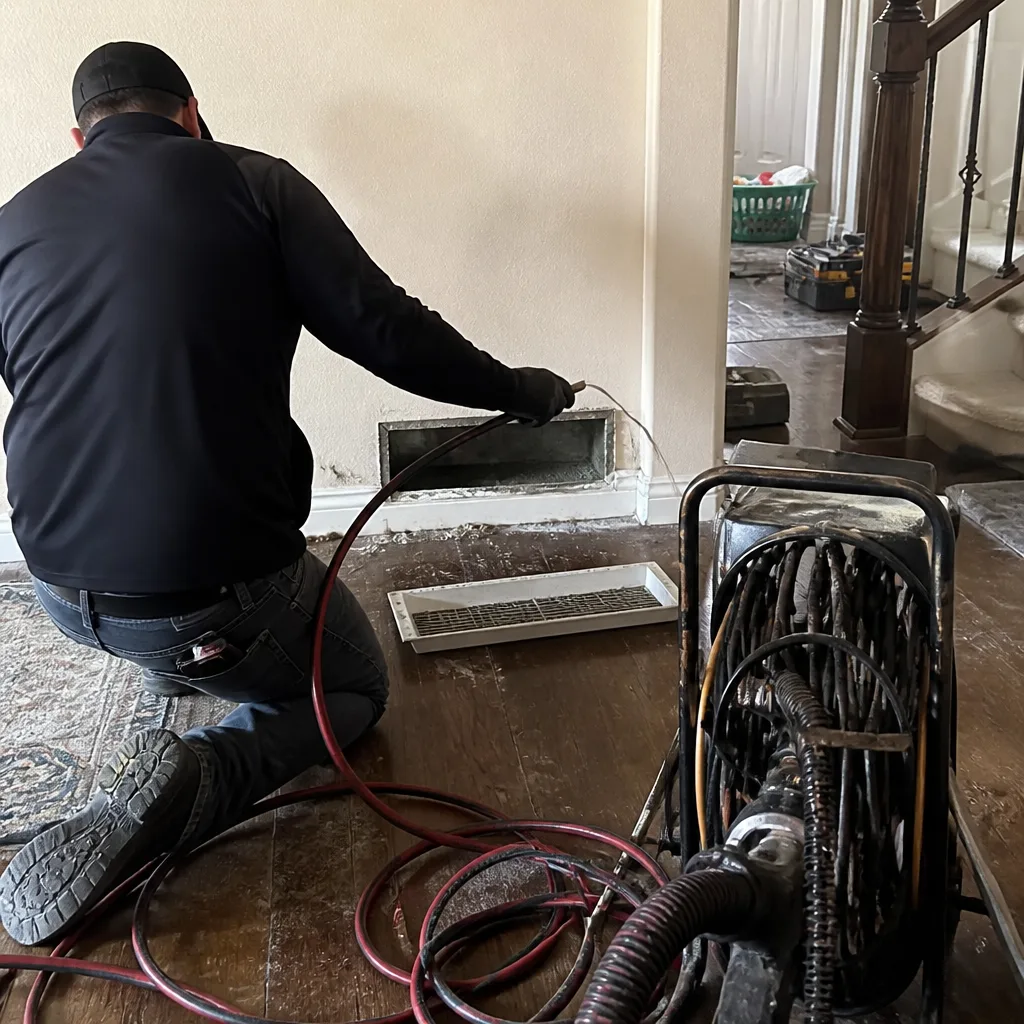 Before
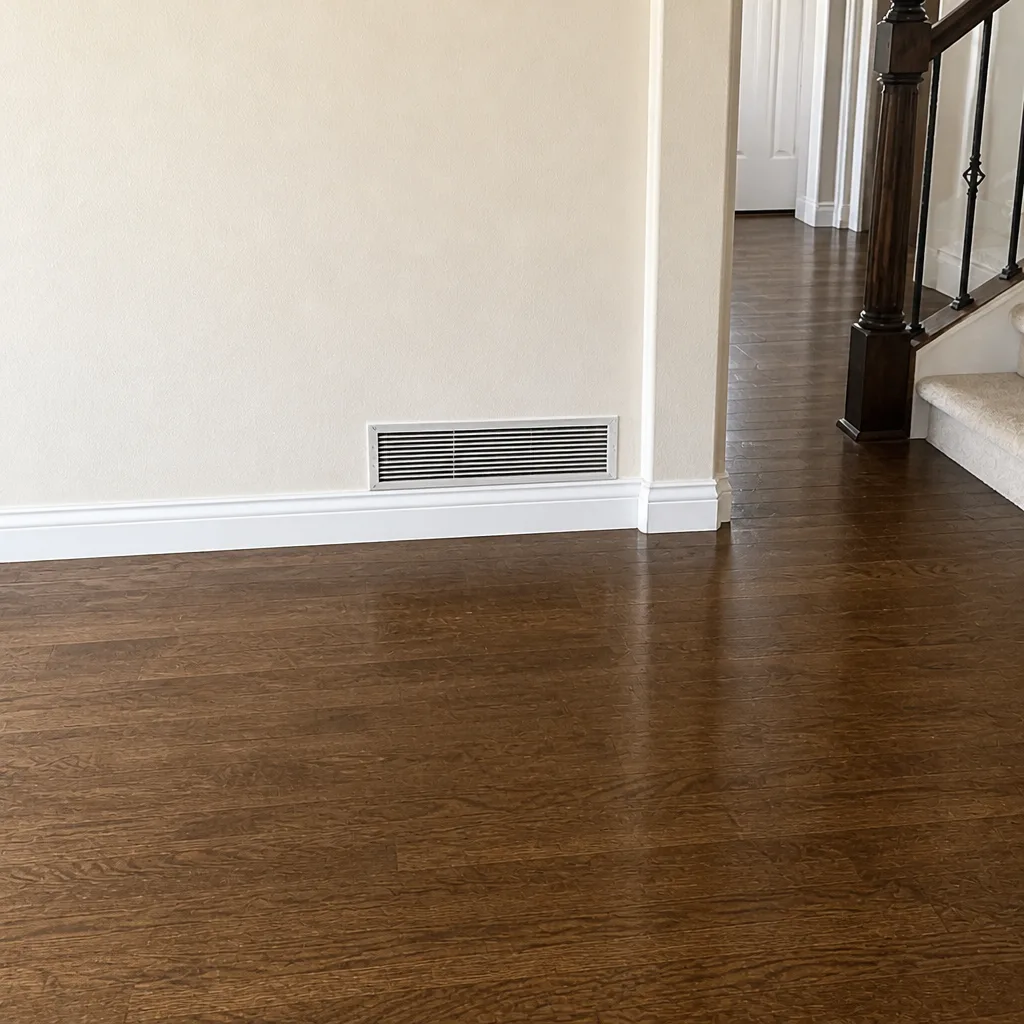 After
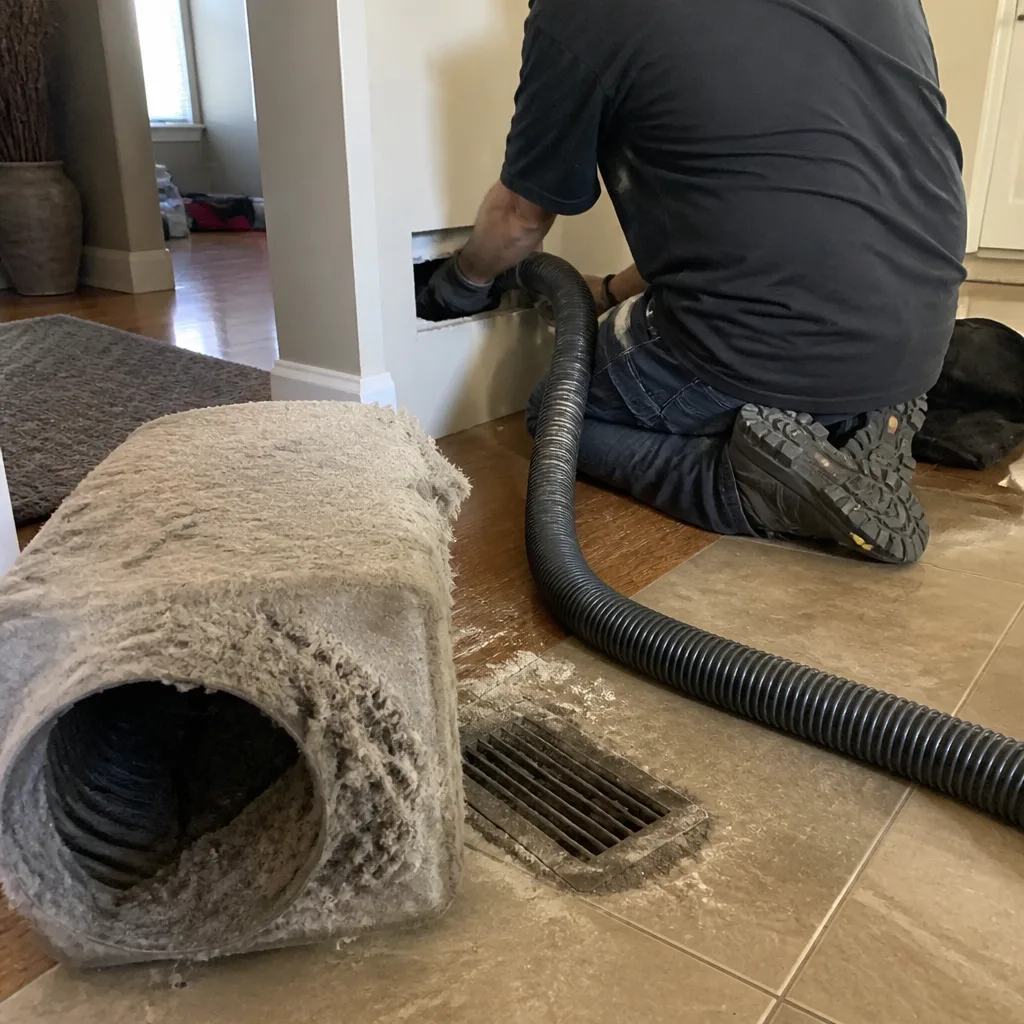 Before
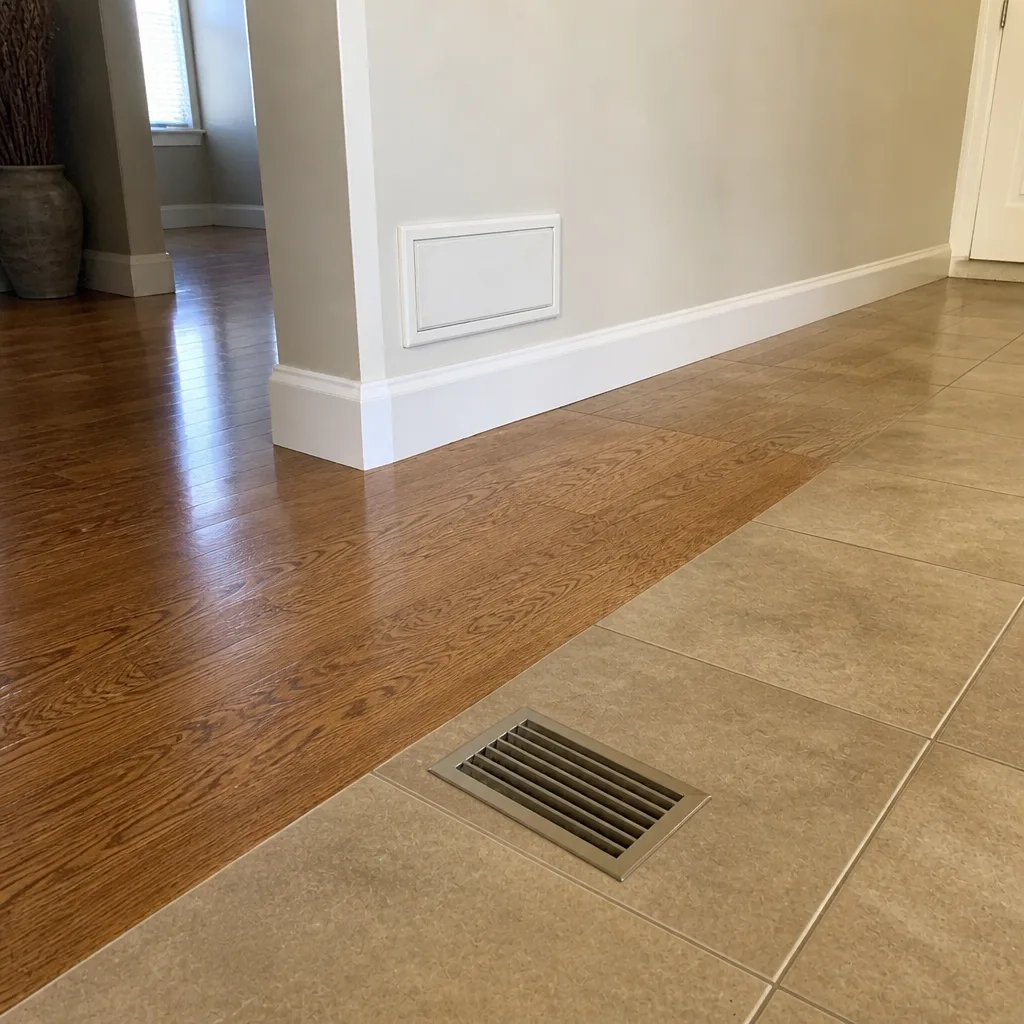 After
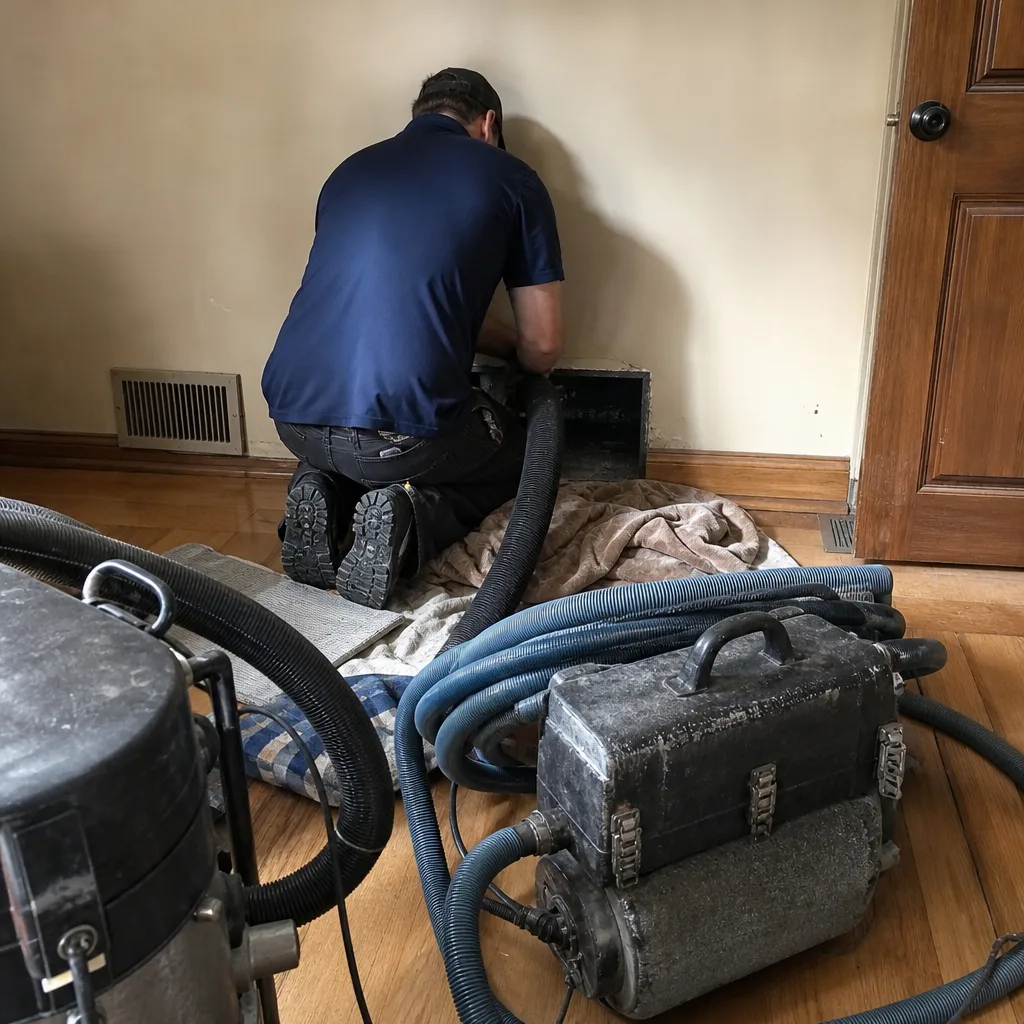 Before
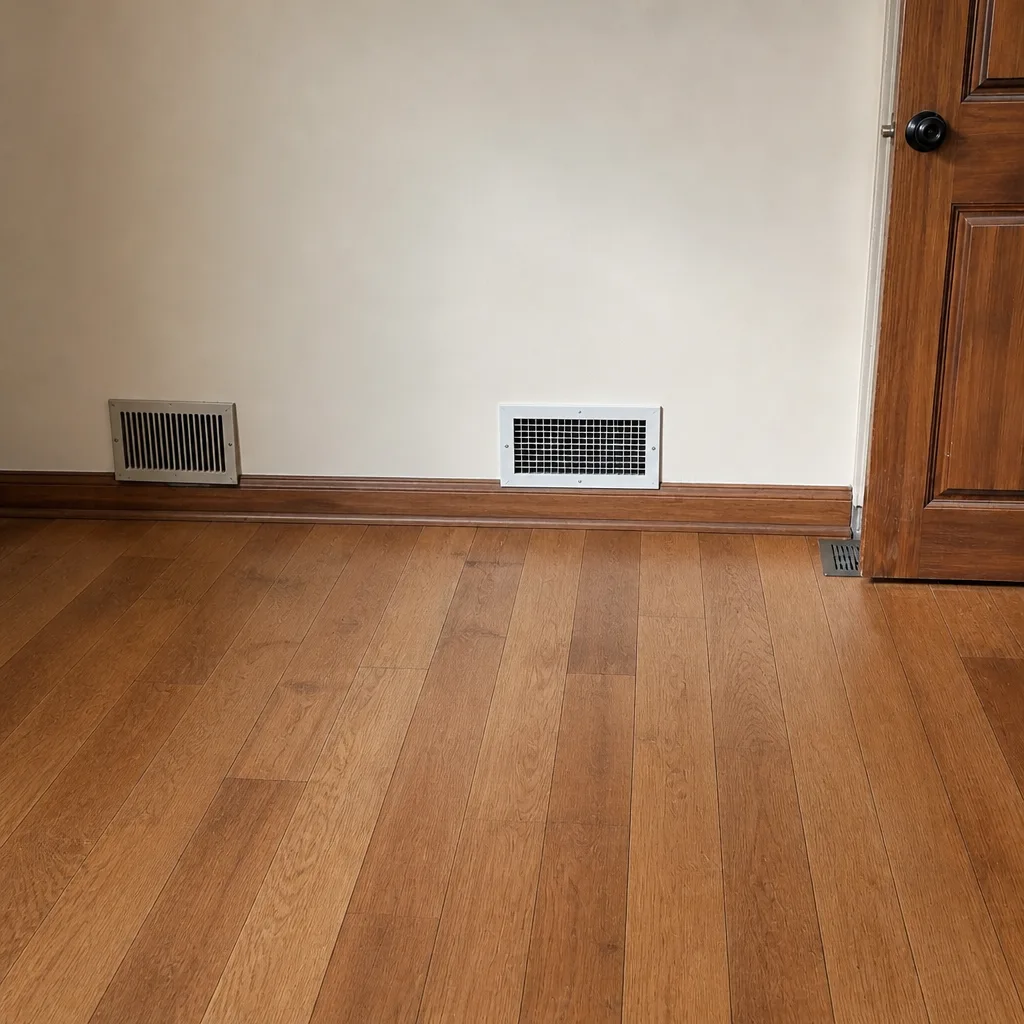 After
Frequently Asked Questions
Most Washington Park homes should have a professional cleaning every 3 to 5 years, with a full inspection annually in between. Homes with flex duct, pets, recent renovation or occupants with allergies lean toward the shorter end. Use the monthly register routine in this guide to adjust that interval based on what your system is actually showing.
Visible debris or dark staining at multiple registers, a persistent musty odor from the airstream, uneven airflow between rooms, and a filter loading rate that keeps accelerating despite no household changes. Any one of these is worth an inspection; two or more together is a strong indicator. Call (866) 947-8103 for an exact quote, and estimates are free.
A very low quote usually reflects a smaller scope and lighter equipment, not a better deal. The equipment matters here: a contact-vacuum system like Rotobrush and a HEPA extraction unit like Nikro pull debris out of the system, while a brush and a shop vac often just disturb it. Ask what equipment will be used and whether before-and-after photos are provided. Then call (866) 947-8103 and we’ll walk you through the difference on your own system.
You verify it. Photograph every register and return before the visit, take the same shots after, and compare them. A proper job produces before-and-after documentation of your system, and you can confirm airflow and odor changes yourself the same day. If you’re not given documentation, ask. Call (866) 947-8103 to book a visit that includes it.
Yes. Fine smoke particulate travels through a running system and settles on duct walls, and it often leaves an odor signature at the registers. Log the dates of smoke events, whether you smelled smoke indoors with windows closed, and any persistent odor in the weeks after. If the odor doesn’t clear, that’s a reason to have the system inspected and consider sanitizing alongside cleaning.
When the inspection shows leaking joints or disconnected sections, yes. Sealing at the same visit addresses the root cause of energy loss and inconsistent airflow rather than just removing debris. You’re already paying for access to the system; sealing while it’s open makes sense if the leakage is real. Call (866) 947-8103 to talk through what your home needs.
The Bottom Line
Duct maintenance is not a single appointment you schedule every few years. It’s a small ongoing habit: a 15-minute monthly register inspection, a filter loading log, seasonal notes after pollen and smoke events, and a documented professional cleaning on an interval that fits your duct material and construction era. Do the checking yourself, keep the photos, and bring in professional equipment when the signs point to it. That order of operations catches developing problems before they become remediation jobs, and it gives you a record that makes any cleaning you book easy to verify. For a proper full-system service in Washington Park built around professional-grade equipment and real documentation, Air Duct Cleaning Washington Park is the number to reach.
Call (866) 947-8103 for a free estimate. We answer 24/7. Fast dispatch from 7am to 7pm, Sunday through Friday. One flat price per system agreed before work starts, before-and-after photos of your own ducts, and a satisfaction guarantee. Our technicians have up to 9 years of experience, and the written estimate sets the final price.
Contact
Air Duct Cleaning Washington Park handles residential and commercial air duct cleaning, dryer vent cleaning, HVAC cleaning, duct repair and sealing, and air quality sanitizing across the neighborhood. Every job runs on professional-grade equipment: Rotobrush contact-vacuum systems, Nikro HEPA extraction, and Abatement Technologies air scrubbers for sanitizing work. If you’re planning an IAQ upgrade, Honeywell and Aprilaire product lines are available as part of the same visit. Call (866) 947-8103 for a free estimate and we’ll walk through what your system needs.
Written by the team at Air Duct Cleaning Washington Park.