
Last updated November 25, 2026
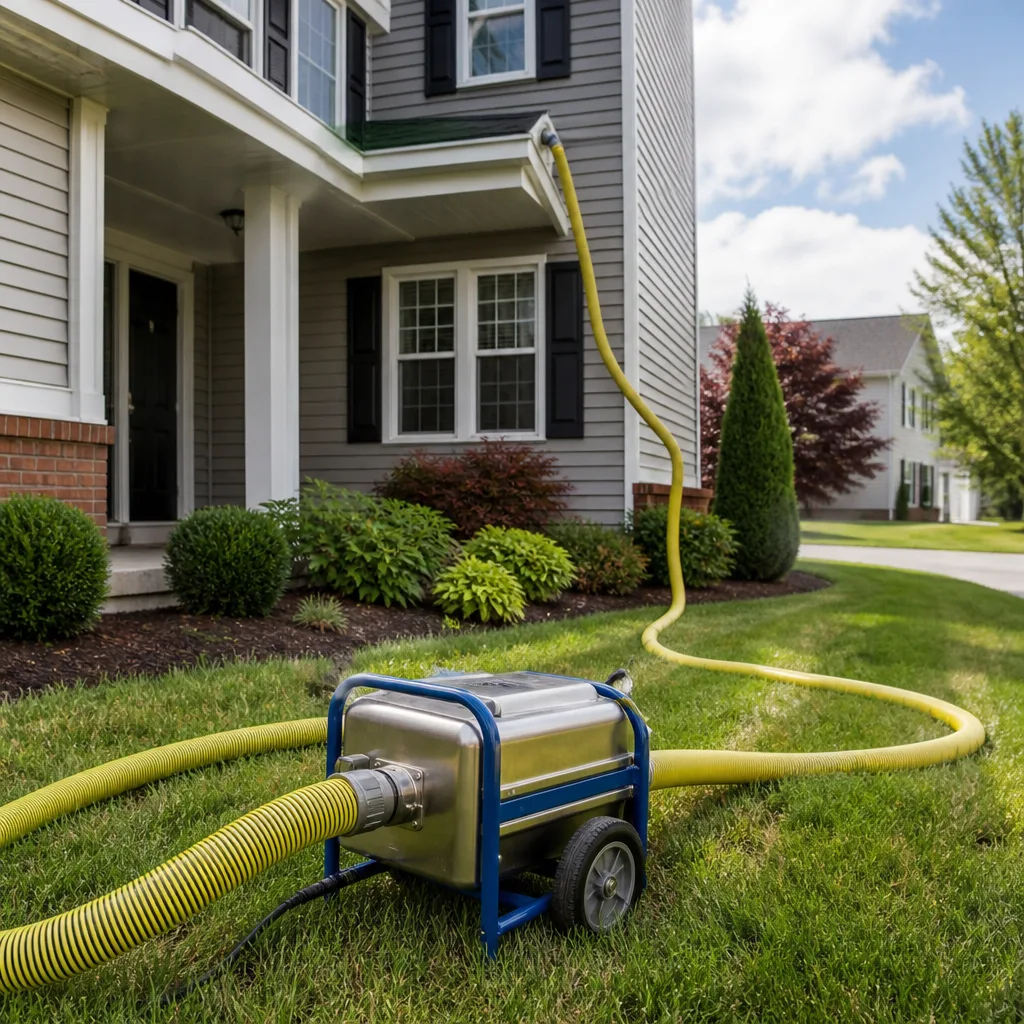 Whole-home duct cleaning
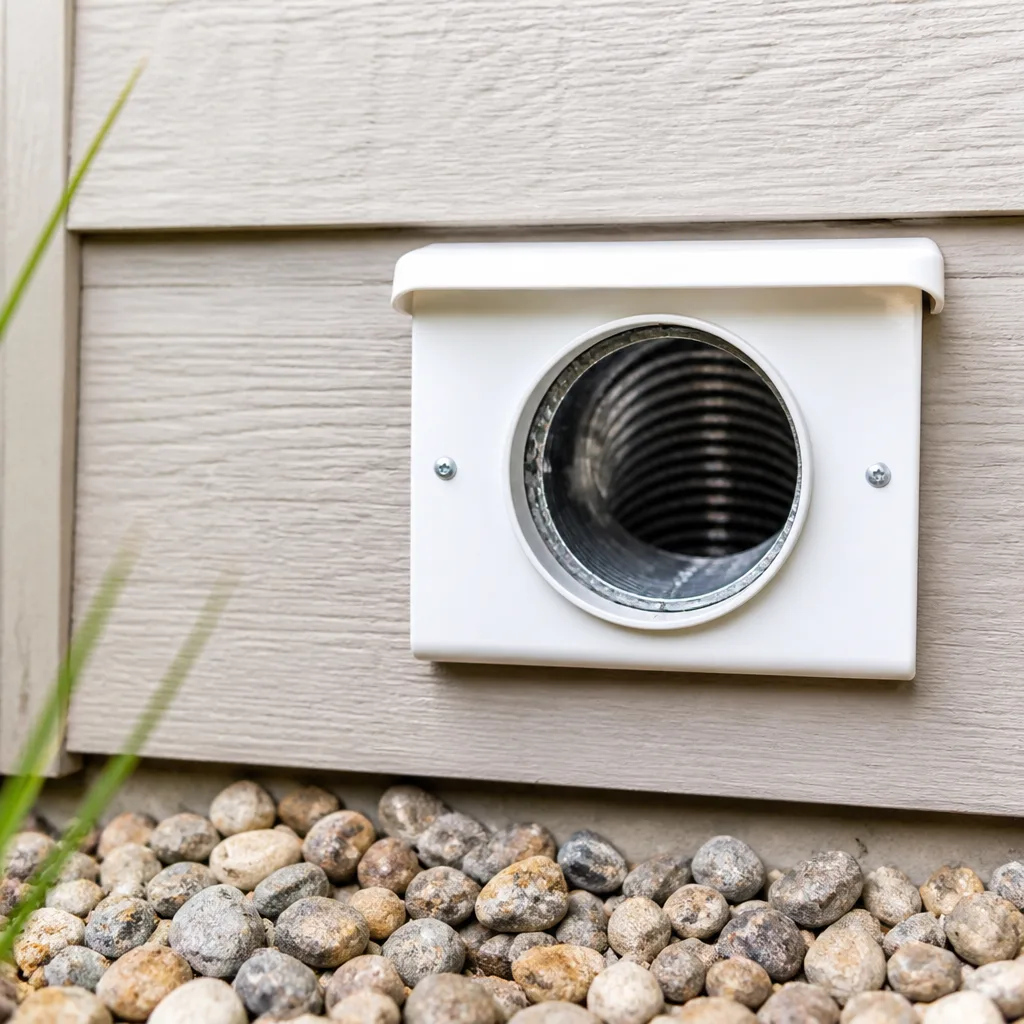 Dryer vent cleaning
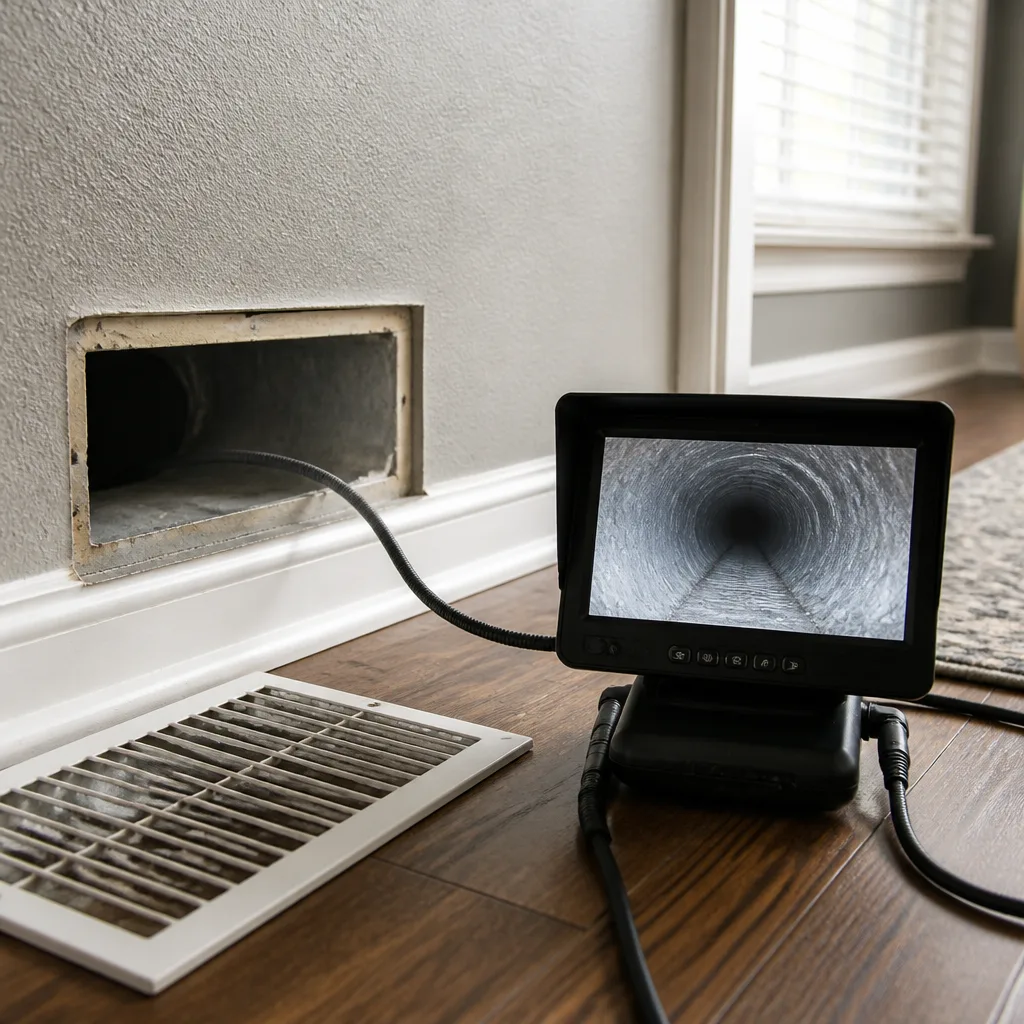 Camera inspection
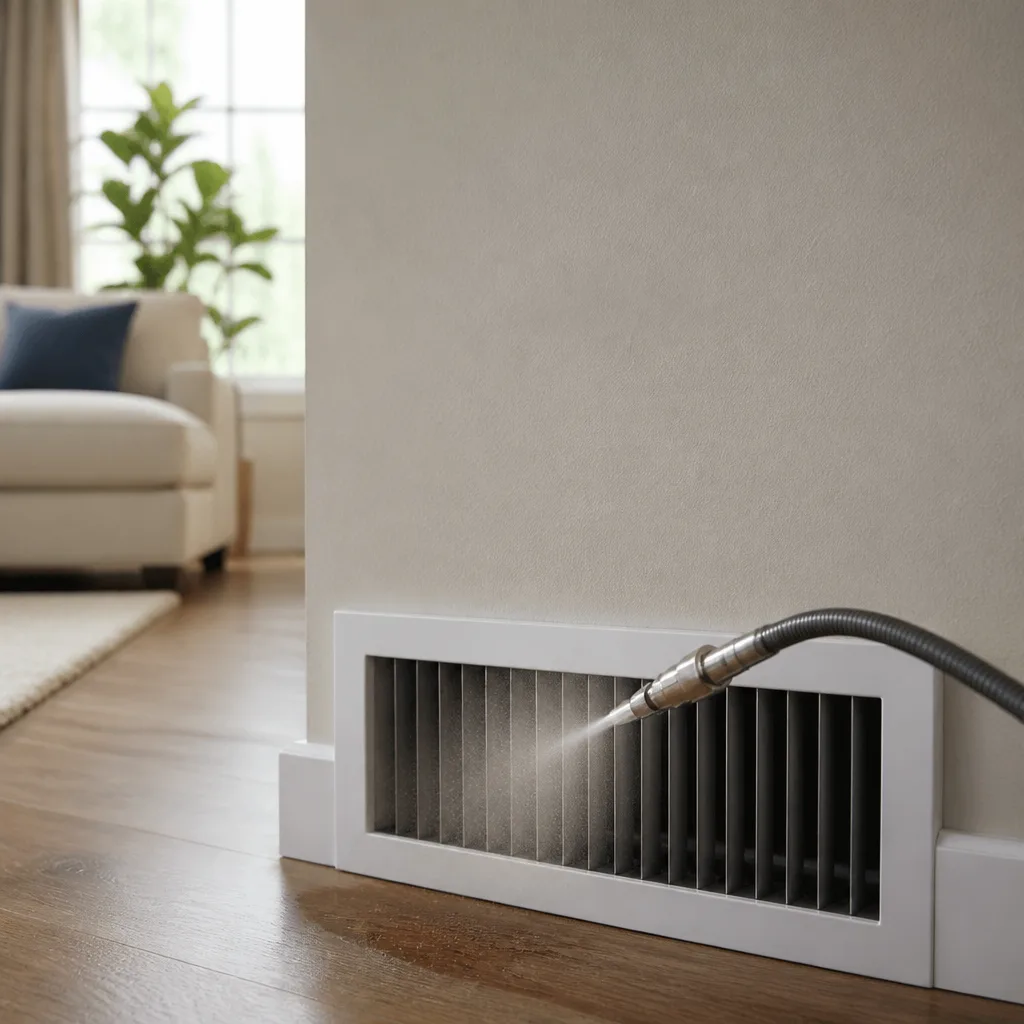 Sanitizing & deodorizing
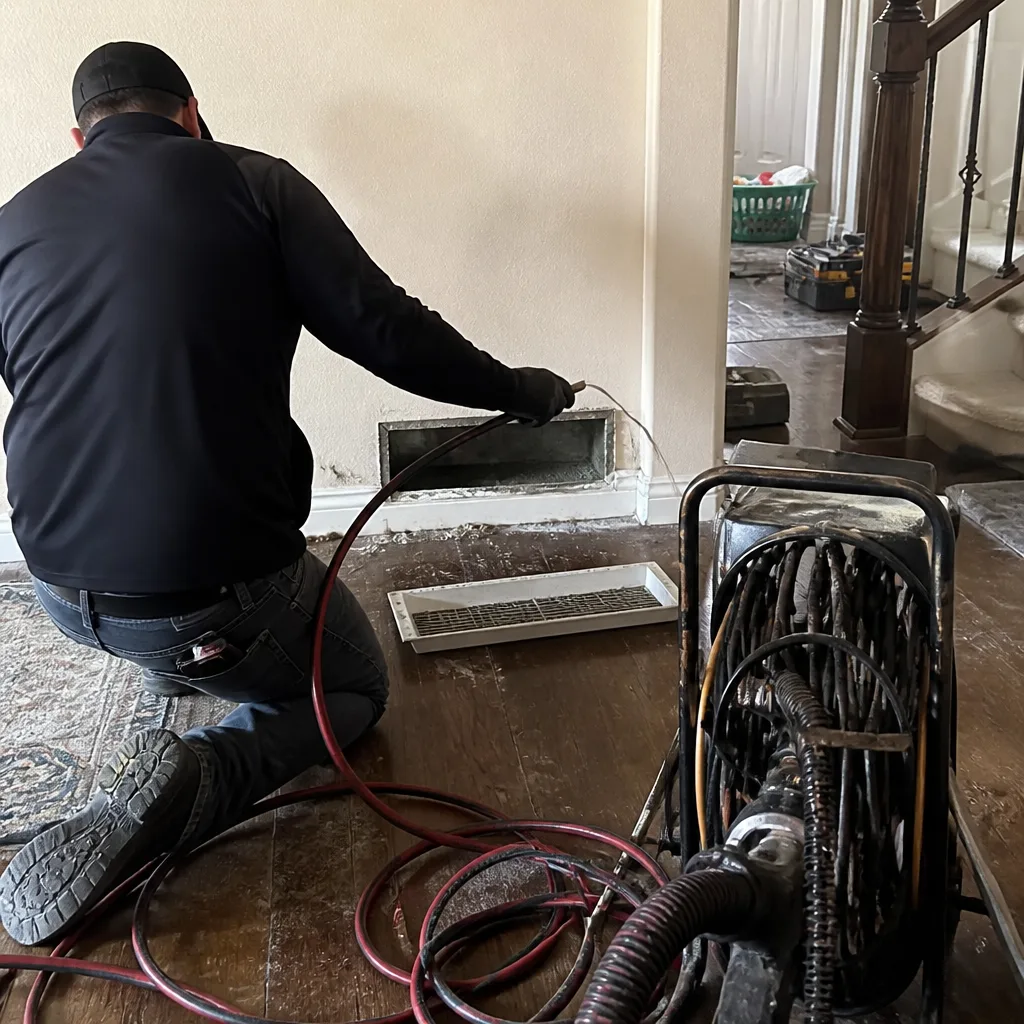
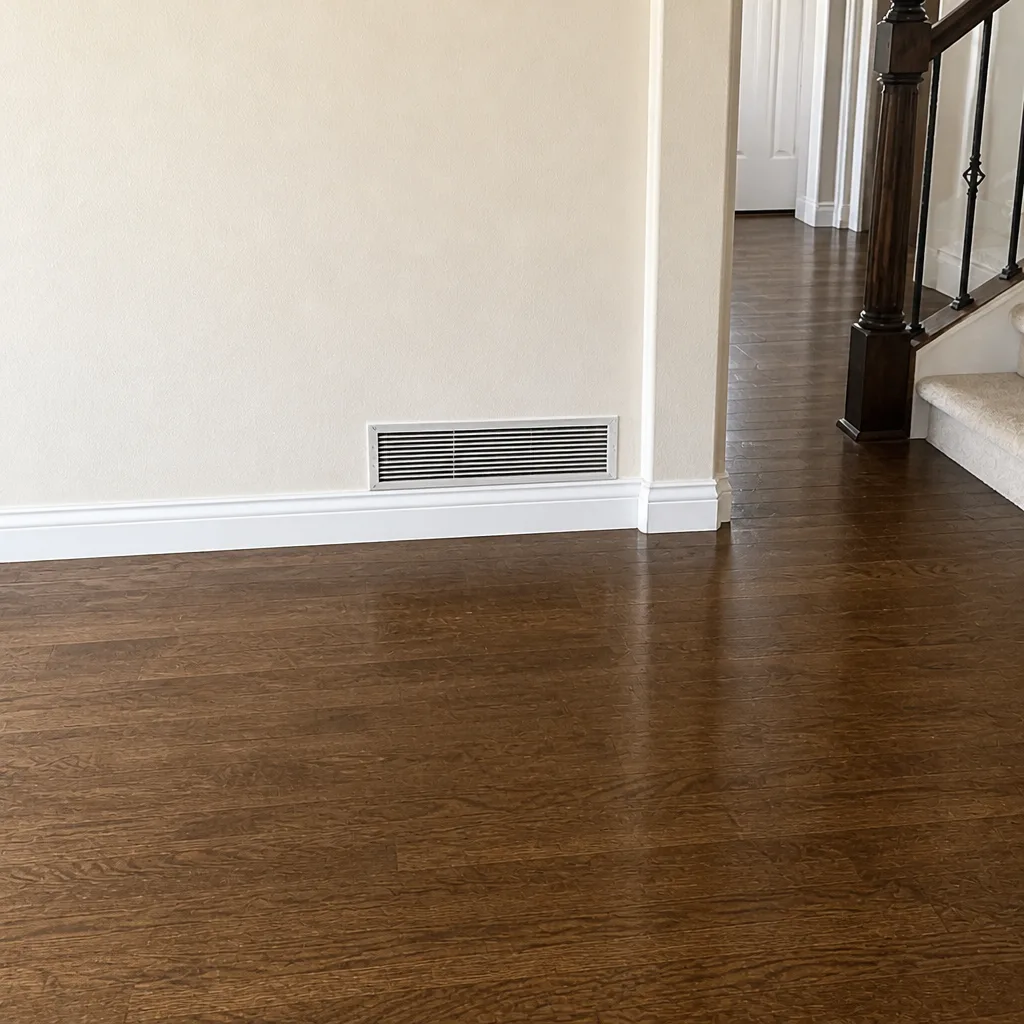
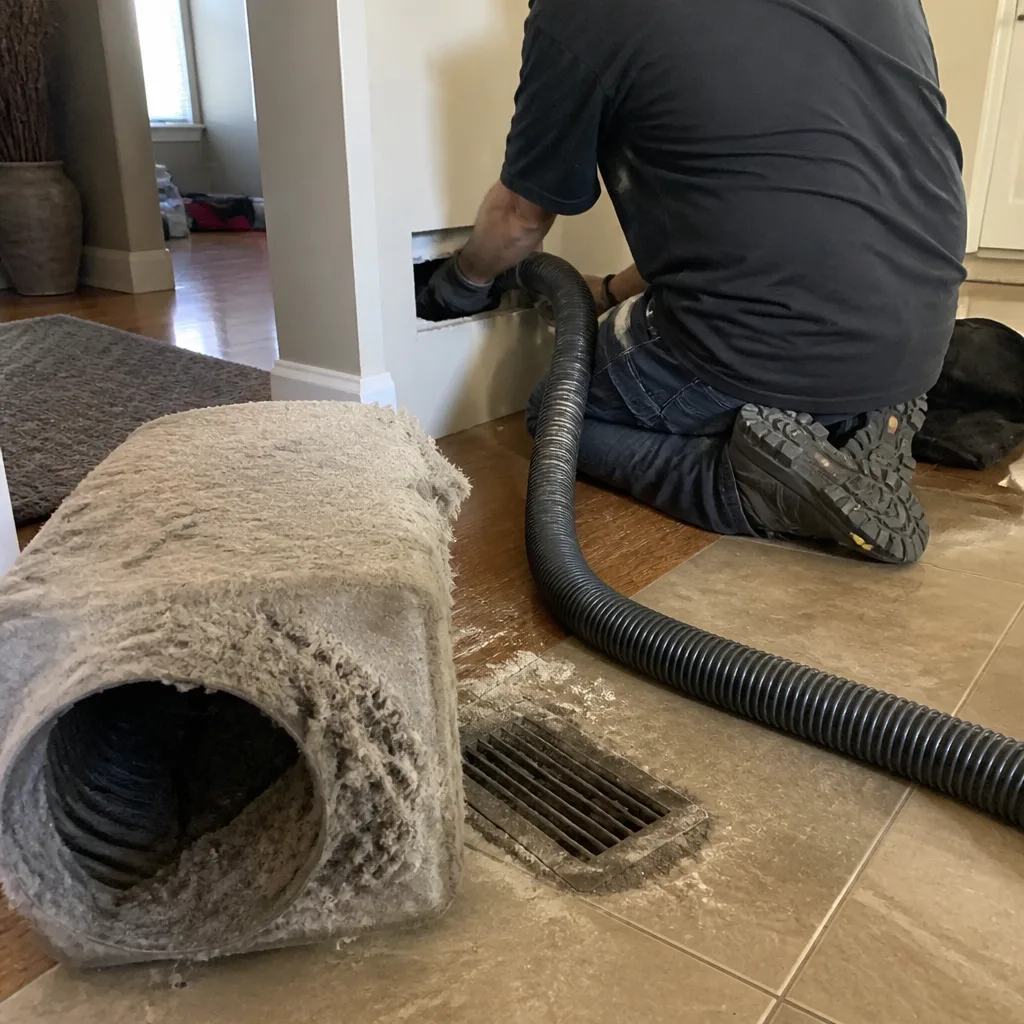
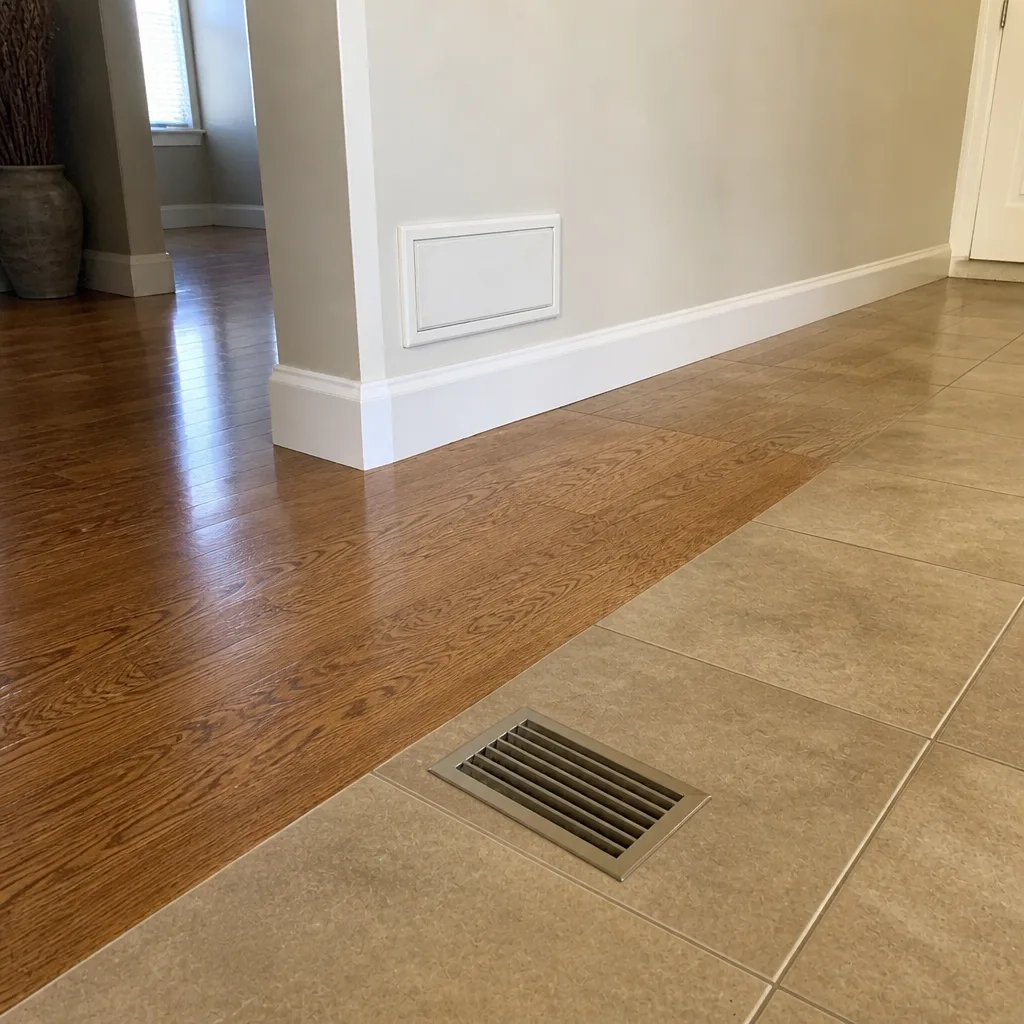
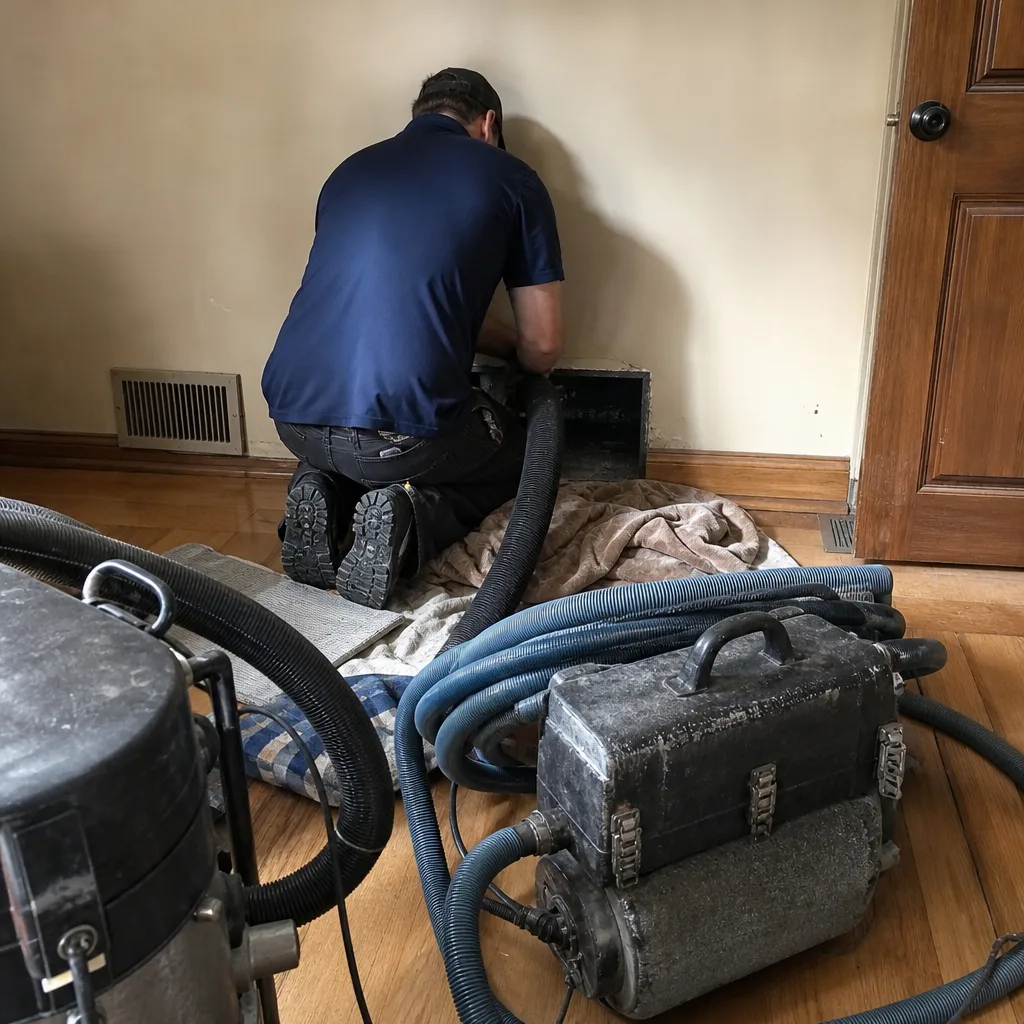
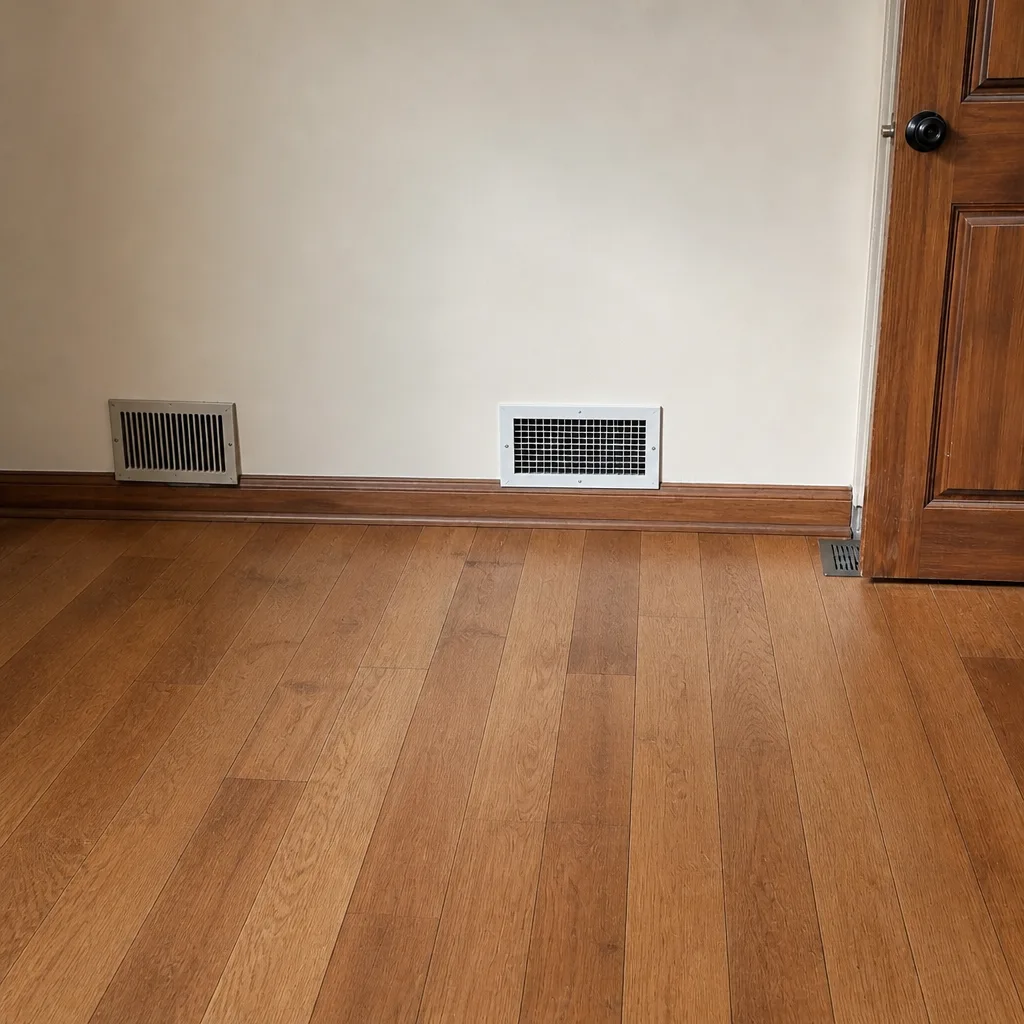
Whole-system duct and dryer vent check with before-and-after photos - you see exactly what came out of your vents
That "$99 whole-house special" is a bait ad - the real number appears once they are in your hallway, or the "clean" is a shop-vac at the register. We photograph the inside of your ducts before and after instead.
Air Duct Cleaning Cost Breakdown: The Washington Park Homeowner’s Reference for 2026
The $299 whole-home special and the $900 quote from a full-service indoor air quality company are not the same service with a different markup. They involve different equipment, different labor hours, and different outcomes. The gap isn’t profit margin. It’s process. A homeowner in Washington Park comparing those two numbers side by side has no way to see the difference from the invoice alone, because both companies use identical marketing language: “whole-home,” “deep clean,” “truck-mounted.” This guide breaks down exactly what drives each cost tier so you can evaluate a quote before you book it, from the $200 maintenance end to the $2,000+ remediation end.
Styles & brands we work with
- Whole-home duct cleaning
- Dryer vent cleaning
- Camera inspection
- Sanitizing & deodorizing
Quick Answer
Air duct cleaning in Washington Park typically runs $300 to $700 for a standard whole-home clean on a 1920s – 1950s house with six to ten vents, and $700 to $1,400 when the system needs negative pressure containment, HVAC component cleaning, or dryer vent work folded in. Remediation-level jobs, where contamination requires containment and clearance verification, start around $1,400 and can exceed $2,500. The written estimate sets the final price, and one flat price per system is agreed before any work starts.
Table of Contents
- Why quotes for the same Washington Park house vary by thousands
- What legitimate professional cleaning actually costs: a line-item breakdown
- How Washington Park’s housing stock shapes the scope and the price
- Legitimate cost drivers versus upsells
- What remediation-level cleaning costs and why it’s priced differently
- How to normalize bids with a quote comparison worksheet
- The equipment question nobody puts on the invoice
- Common mistakes to avoid
- When to call a professional
- Frequently asked questions
Why quotes for the same Washington Park house vary by thousands
Two companies walk into the same basement in Washington Park, count the same eleven supply vents, and quote $340 and $1,180. Neither is necessarily dishonest. They are pricing different jobs.
The $340 quote is usually built around a portable vacuum, a hand tool at each register, and one technician working a few hours. Debris gets knocked loose and pulled back toward the register. Some of it leaves the system. A good deal of it settles a few feet downstream, where it stays until the blower pushes it back through again. The homeowner gets a clean-looking vent face and a receipt.
The $1,180 quote reflects a contact vacuum head sealed over each supply, a HEPA extraction unit holding the whole system under negative pressure while mechanical agitation runs through it, and a technician-hours estimate that accounts for the equipment being set up, run, broken down, and the system verified afterward. That’s not a $840 markup. That’s a different afternoon of labor and a different class of tool.
Three variables account for most of the spread on any Washington Park quote:
- Equipment class. A portable shop-style vacuum versus a Rotobrush contact-vacuum system running with a Nikro HEPA extraction unit behind it. Different machines, different air volume, different filtration.
- Negative pressure. Keeping the duct system under vacuum for the length of the job, so dislodged debris travels to the collector instead of into the living room or back into the return.
- Verification. Photo documentation of the before and after, per zone, plus a walkthrough after the work is done.
Our technicians have up to 9 years of experience, and in our experience the single best predictor of price is not the size of the house. It’s whether the company intends to run negative pressure and document the result. Ask that question before you ask for a number. If you’d rather start with a full picture of what we do, our air duct cleaning page lays out the scope.
What legitimate professional cleaning actually costs: a line-item breakdown
A legitimate air duct cleaning quote in Washington Park breaks down into four cost centers. Here’s what each one covers and roughly what it contributes to a typical job.
1. Equipment mobilization and negative pressure setup
Getting the right machinery to the curb and sealing it into the duct system takes real time before any cleaning happens. A contact vacuum head has to be fitted and sealed at the main trunk or plenum, the HEPA extraction unit has to be staged and connected, and the return path has to be blocked off so the system holds vacuum. On a Washington Park bungalow where the trunk line runs through a tight basement with a low clearance, that setup can take an hour on its own. Expect this to account for a meaningful share of any honest quote, often the difference between a low bid and a real one.
2. Per-vent and per-trunk labor
This is the line item that most homeowners understand intuitively: the number of openings the technician has to work. Count supply registers, return grilles, and the trunk runs that feed them. A 1920s Washington Park four-square with eight supplies and two returns is a smaller job than a 2000s infill property with a zoned system and fourteen openings. When a company quotes flat and the number of vents is never established, the price is a guess. That guess tends to grow once the technician is standing in the hallway.
3. Mechanical agitation and component cleaning
Cleaning the ducts but leaving the blower wheel, the evaporator coil, and the plenum coated in debris is a partial job. Those components are where dust accumulates under airflow and humidity, and they reintroduce the problem every time the system runs. Component cleaning takes additional labor and, on some systems, disassembly that has to be put back correctly.
4. Post-cleaning verification
A documented job includes photographs of each zone before and after, which we share with the homeowner. If a quote has no line for verification, the company has not budgeted time to prove the work was done.
| Line item | Typical contribution to a Washington Park quote |
|---|---|
| Equipment mobilization and negative pressure setup | Included in every professional-grade bid |
| Per-vent and trunk labor (6 – 10 vents) | Core of the $300 – $700 standard range |
| HVAC component cleaning (blower, coil, plenum) | Pushes the job toward $700 – $1,400 |
| Post-cleaning photo verification | Included; no-shows it from a teaser job |
| Containment and clearance testing (remediation) | $1,400 – $2,500+ |
The overall range in Washington Park runs $300 – $700 for a standard whole-home clean and $700 – $1,400 once HVAC components and a dryer vent are folded in. Both figures are estimates; the written estimate is what actually sets the price. If you’re also overdue on the vent behind the laundry, our dryer vent cleaning service is the natural pairing and a genuine cost driver, not filler.
How Washington Park’s housing stock shapes the scope and the price
Washington Park is not a single-cohort neighborhood. It’s a layer cake, and the layers price differently.
1920s – 1950s homes: the original stuff
The older homes here were often built with rigid sheet metal ductwork, sometimes wrapped in external insulation that has degraded over the decades. That sheet metal holds up well to contact vacuuming. The complication is access: original systems were laid out for low static pressure and put together from short runs, transitions, and fittings that create turbulence and collect debris. High-efficiency systems are a different topic, but these older ones are also frequently factory-built with interior liners that respond badly to aggressive brushing. A company that doesn’t check liner condition before running a brush is a real risk to the homeowner’s equipment.
2000s infill: flexible run, tighter systems
New-build infill in Washington Park often uses flexible duct with long, low-clearance runs through upper ceilings. Flexible duct is a dust trap. Its ribbed interior collects debris along the spiral, and aggressive brushing can delaminate the liner. Cleaning this properly means less brushing and more extraction under strong negative pressure, which is where a HEPA unit does the work a shop vac can’t.
Climate: dry air, high static, summer dust
This part of Colorado runs dry for much of the year, and dry air lets fine particulate stay suspended long enough to travel the full system rather than settle. In summer, that same dry air pushes more dust through open windows and returns than a humid climate would. The practical result is that a Washington Park duct system can accumulate measurable debris faster than its age suggests, and the cleaning schedule needs to reflect the climate, not a generic national rule.
Access complexity: basements and crawlspaces
Pre-1950s homes here often have low basement clearances and crawlspace trunking that make it slower to stage equipment and fit the vacuum head. That time shows up honestly in the quote. A bid that ignores it isn’t saving you money; it’s planning to skip a step.
If any of this sounds like a system that never got cleaned, call (866) 947-8103 for a free estimate. We answer 24/7. Fast dispatch from 7am to 7pm.
Legitimate cost drivers versus upsells
Add-ons are where a fair quote can inflate. Each one deserves an honest look.
Air sanitizing: usually worth it, under the right conditions
Sanitizing isn’t a substitute for mechanical cleaning, but it addresses what a vacuum can’t: microbial contamination in a system that has been wet, musty, or neglected. We deploy Abatement Technologies air scrubbers to hold the work zone under control while the treatment runs. If a home has visible mold, musty odor, or a history of moisture events in the system, sanitizing is a legitimate cost line. If the system is dry and clean, it’s optional. Either way, mechanical cleaning comes first; sanitizing a dirty system just coats the dirt.
UV light installation: narrow case, real benefit
UV-C lamps installed near the coil can help keep the coil and drain pan clear of biological growth, and that’s a genuinely useful role. What they don’t do is clean air passing through the duct at normal airflow rates. If the evaporator coil is biologically fouled, UV in the right location makes sense alongside a coil cleaning. If the pitch is a lamp taped into a supply plenum, it’s not doing much. Ask where the lamp goes and why.
Duct sealing: the add-on that saves money over time
Duct sealing is the one add-on we’d argue is often undervalued. Leaky ductwork in a Washington Park attic or crawlspace loses conditioned air to an unconditioned space before it reaches the room. Sealing the joints and transitions, which our crews do alongside cleaning, reduces that loss and stops pulling unfiltered air in through the gaps. Cleaning doesn’t fix leaks. Sealing does. If a duct system shows visible gaps at joints, sealing is a legitimate cost line and arguably the highest-return one on a list.
Filtration and humidity upgrades
MERV filtration upgrades and whole-home humidity control are real indoor air quality tools, and we install Honeywell and Aprilaire product lines to match the home. They aren’t free, and they aren’t for everyone. If a homeowner is chasing allergy symptoms and the ducts are the first thing, cleaning and sealing come before a higher-MERV filter, which will load faster on a dirty system anyway.
Before adding anything, ask the questions that separate a cost driver from an upsell:
- Is the system actually dirty, wet, or leaking? If none of those, most add-ons are optional.
- Can you show me where the treatment or device gets installed and how it works?
- Does the add-on fix a cause, or just address a symptom?
- Is it priced separately, on the written estimate, before work starts?
What remediation-level cleaning costs and why it’s priced differently
Remediation is not cleaning with a bigger adjective. It’s a differently scoped job with containment, a documented protocol, and verification at the end. That’s why it starts around $1,400 and can exceed $2,500 in Washington Park.
What changes at the remediation tier
- Containment. The work zone is physically isolated, so dislodged debris cannot escape into occupied rooms. Air scrubbers run continuously to keep the zone under negative pressure relative to the living space.
- Mechanical agitation plus HEPA collection. The full system runs under extraction, with agitation through each zone in sequence.
- Source resolution. If the contamination traces to a moisture problem, a failed component, or a structural duct defect, that gets addressed. Cleaning around it is pointless.
- Clearance verification. Post-clean inspection confirms the system meets the standard before the containment comes down.
Why it’s priced differently from maintenance cleaning
Maintenance cleaning removes accumulated debris from a system that functions normally. Remediation addresses contamination that has a source and presents a health concern, and it carries labor, equipment, sequencing, and documentation costs a routine clean doesn’t. In our experience, remediation bids are longer and more detailed than maintenance bids for exactly this reason. If a company hands you a one-line remediation estimate, ask for the protocol and the containment plan in writing.
For remediation-level work, our team runs Abatement Technologies scrubbers and Rotobrush contact-vacuum equipment and uses Guardsman-line products in the finishing and protection phase of the job. Our Air Duct Cleaning Washington Park hub is the place to start if you’re unsure which tier you’re in.
How to normalize bids with a quote comparison worksheet
Three quotes for the “same” job are rarely for the same job. Before you compare numbers, force each bid into the same shape.
The worksheet fields
- Total vents and returns. Count them yourself before any company visits. Note supply, return, and trunk runs separately.
- Equipment named. Write the specific machine class on the sheet. “Truck-mounted” is not enough; ask for the model family. Rotobrush, Nikro, and Abatement Technologies are named at the bid stage by companies that use them.
- Negative pressure. Yes or no, and how the vacuum seals to the system.
- HVAC components included. Blower, coil, and plenum, yes or no.
- Dryer vent included. Write a separate line if it’s bundled.
- Add-ons and their price. Sanitizing, sealing, filtration, UV, each on its own line.
- Verification method. Photo before/after, walkthrough, or nothing.
- Total price and written estimate. One flat price per system, agreed before work begins.
How to read the result
A bid that can’t fill in equipment, negative pressure, and verification is not comparable to one that can. Compare the middle rows first, not the bottom line. A quote that’s 40% lower usually owes that gap to a specific omitted row, and that row is where the outcome lives. Once the fields match, the pricing spread narrows to a fair range. That’s how to tell a legitimately priced job from a teaser that grows.
Our HVAC cleaning service is the natural companion to duct work when components are involved, and it belongs on the worksheet as its own line.
The equipment question nobody puts on the invoice
Two identical quotes can hide completely different tools. The equipment question is the one that most changes the outcome, and it’s the one most buyers never ask.
Professional-grade tools perform a different job than a portable vacuum:
- Contact vacuum systems. A Rotobrush system seals to the duct and works each run under positive extraction while agitating the interior. Air volume and filtration are built for the duct system, not the garage.
- HEPA extraction units. A Nikro HEPA unit holds the whole system under negative pressure and traps fine particulate rather than recycling it through the house.
- Air scrubbers. Abatement Technologies scrubbers keep the work zone under control during sanitizing and remediation work, to the standard used in commercial contamination control.
The distinction is not brand name preference. It’s process. Our technicians have up to 9 years of experience, and in that time we’ve seen jobs where a homeowner paid for cleaning that never reached the trunk because the setup couldn’t hold vacuum. When we inspect, we show you what we find, then quote a price for the scope that actually works. One flat price per system, before work starts, with before-and-after photos of your own ducts afterward.
If you want a full-system look including filtration or humidity management, we carry Honeywell and Aprilaire product lines so the assessment and the upgrade happen in the same visit, not three.
Common mistakes to avoid
- Buying on the teaser price alone. A low coupon figure is the start of a negotiation, not a price. Ask for a written, line-itemed estimate and compare the middle rows before the total.
- Not counting your own vents first. Washington Park homes range widely, and per-vent labor drives a real share of the price. Know your number before the quote arrives.
- Skipping the equipment question. If a company can’t name the machine class it’ll use to hold your system under negative pressure, the quote is missing the point.
- Adding sanitizer to a dirty system. Sanitizing before mechanical cleaning coats the contamination rather than removing it. Cleaning first, then sanitizing, every time.
- Ignoring the dryer vent. It’s a separate pathway and a separate cost line, but pairing it with duct cleaning is both cheaper than two visits and worth doing because lint accumulation is a real fire hazard. Don’t skip it because the ducts look clean.
- Treating a leaky system as a cleaning job. Cleaning ductwork with open joints in an attic or crawlspace is money spent twice. Sealing leaks is the higher-return fix and belongs in the scope.
- Accepting a quote that doesn’t include verification. In Washington Park, where pre-1950s systems and 2000s infill systems both turn up, “I cleaned it” without photos and a walkthrough is a claim, not a result.
When to call a professional
Some symptoms point to the ducts and some don’t, so a call should match a real signal. Call if you’re seeing visible debris blow out of a register on startup, if a musty or dusty odor arrives with the first heating cycle in fall, if airflow is inconsistent between rooms, or if a recent renovation pushed dust and drywall particulate into the returns. Call if someone in the home has a dust or allergy sensitivity that seems to track with HVAC use. Call if the dryer has started taking longer than it used to. And call if the ducts have never been inspected and the home is pre-1950s, because liner condition and leak points need eyes on them before anyone plans the work.
Air Duct Cleaning Washington Park offers free estimates in Washington Park. Call (866) 947-8103 for an exact quote. We answer 24/7. Fast dispatch from 7am to 7pm.
Frequently asked questions
A standard whole-home clean in Washington Park typically runs $300 to $700, and $700 to $1,400 when HVAC components and a dryer vent are included. Remediation-level work starts around $1,400 and can exceed $2,500. These are estimates; the written estimate sets the final price. Call (866) 947-8103 for an exact quote, estimates are free.
Cheap quotes are usually cheaper because they exclude negative pressure setup, HVAC component cleaning, and verification, not because the company is more efficient. The price gap reflects a scope gap. Ask every bidder to fill in the equipment, negative pressure, and verification rows before you compare totals. Call (866) 947-8103 if you’d like a line-itemed estimate to compare against.
You know because you see it: per-zone photos before and after, plus a walkthrough of the system once the work is complete. Any company that doesn’t offer that leaves the question open. We document every zone and share the results. Call (866) 947-8103 to book an assessment.
For most Washington Park homes, every three to five years is a reasonable interval, adjusted up if the home is older, if a renovation has occurred, or if the system shows visible debris. The dry Colorado climate means fine particulate stays airborne longer, which shortens the interval for some properties. A free estimate can tell you whether your system is due. Call (866) 947-8103.
It can, because pre-1950s sheet metal systems and 2000s flexible duct require different handling and access time varies widely. Liner condition has to be checked before brushing on either. That inspection and the extra care are cost lines a proper quote will include. Call (866) 947-8103 and we’ll walk the system with you.
Sanitizing is worth it when the system has been wet, musty, or neglected; sealing is worth it when joints and transitions are visibly leaking, because sealing fixes a cause rather than a symptom. Neither should come before mechanical cleaning. Call (866) 947-8103 and we’ll tell you which, if either, your system actually needs.
The Bottom Line
The spread from $200 to $2,000+ on a Washington Park duct cleaning quote isn’t markup; it’s scope. Negative pressure, professional-grade equipment, HVAC component cleaning, verification, and where relevant remediation containment all cost real labor and real machinery. Ask for the line items, count your vents, and force every bid into the same worksheet. When the fields match, the price range narrows and the right job becomes obvious. Call (866) 947-8103 for a free estimate, and we’ll show you what we find.
Written by the team at Air Duct Cleaning Washington Park.
See the difference
 Before
 After
 Before
 After
 Before
 After