
Last updated November 25, 2026
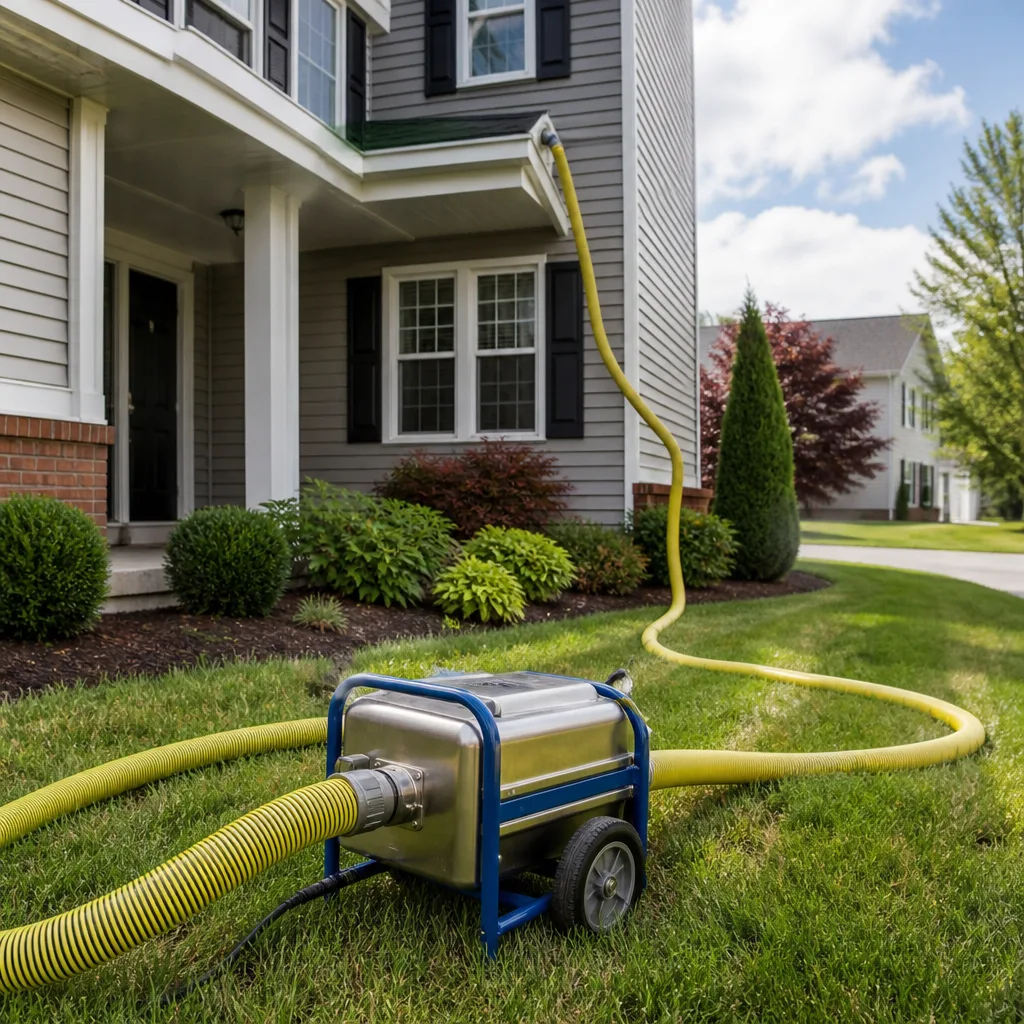 Whole-home duct cleaning
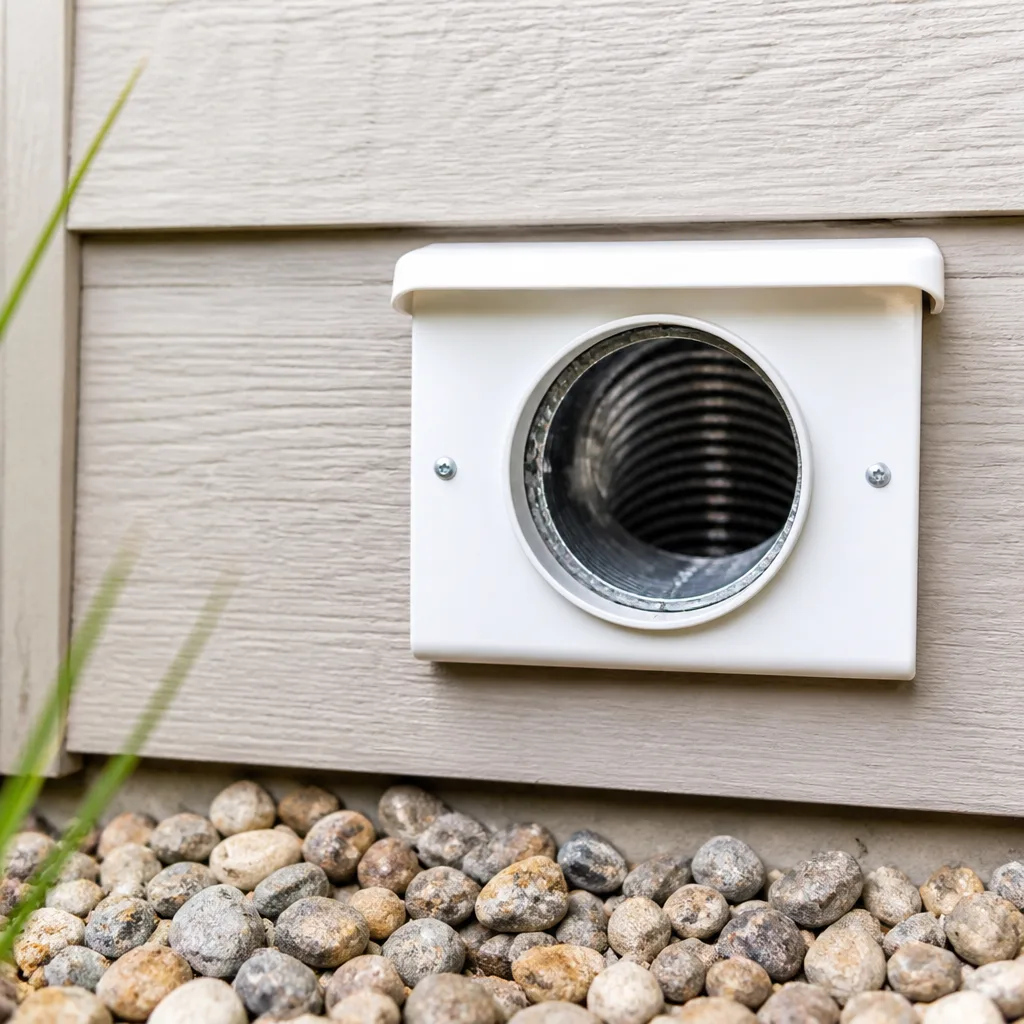 Dryer vent cleaning
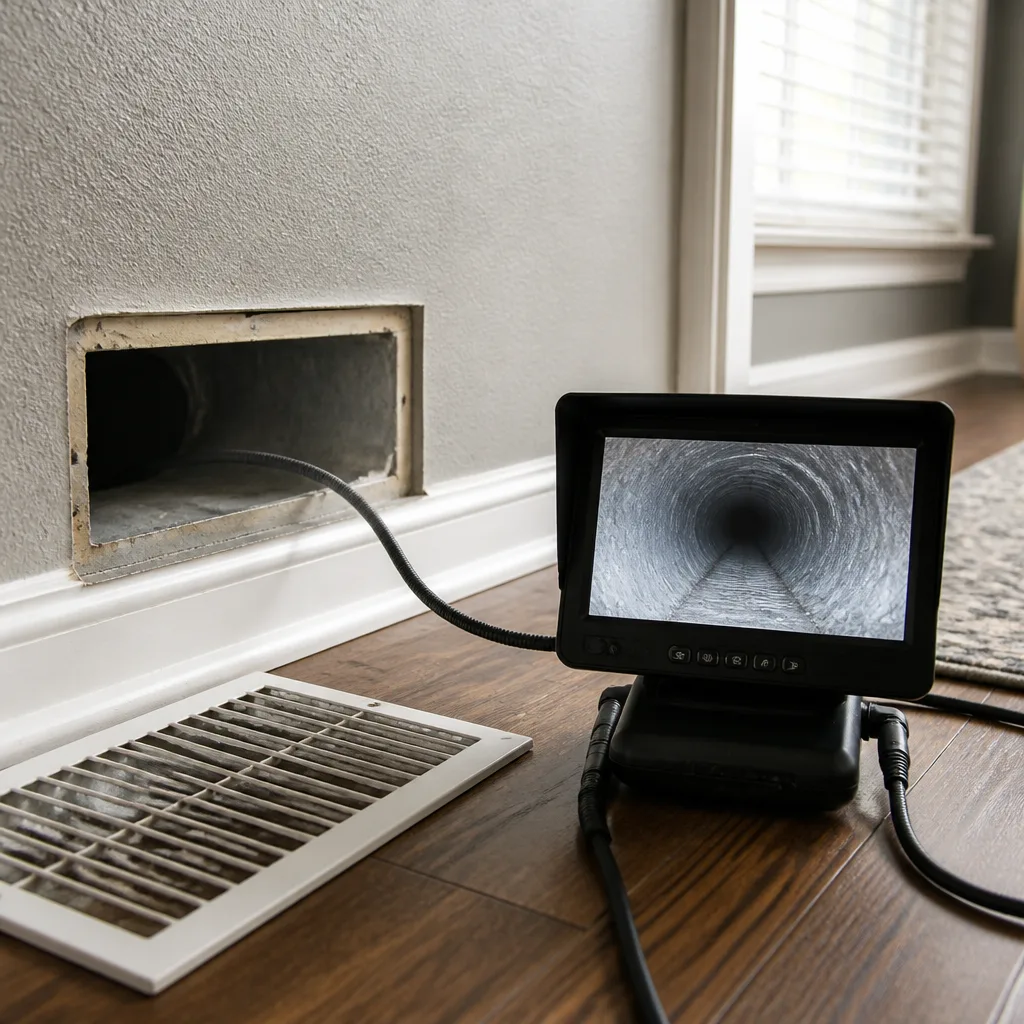 Camera inspection
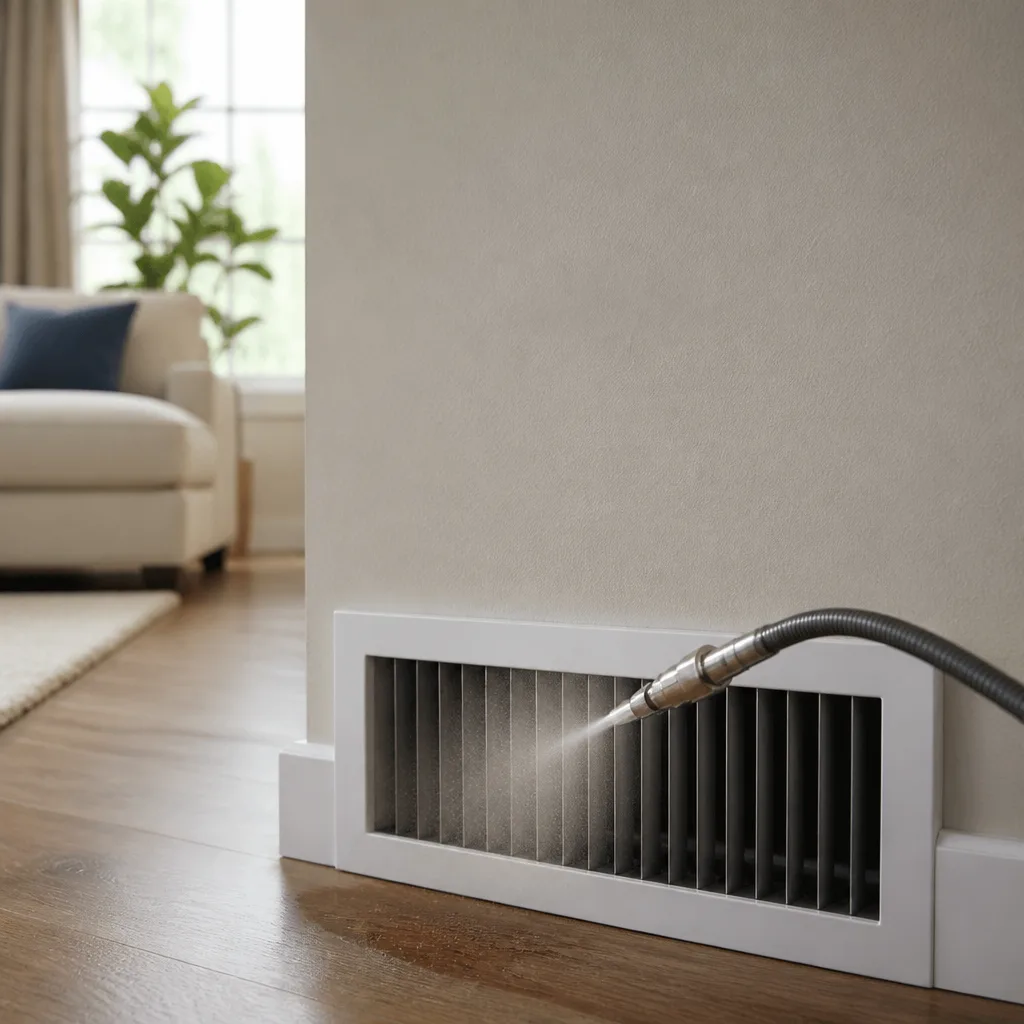 Sanitizing & deodorizing
Whole-system duct and dryer vent check with before-and-after photos - you see exactly what came out of your vents
That "$99 whole-house special" is a bait ad - the real number appears once they are in your hallway, or the "clean" is a shop-vac at the register. We photograph the inside of your ducts before and after instead.
The Complete Guide to Air Duct Cleaning in Washington Park
Most Washington Park homeowners who call for duct cleaning assume they’re buying one thing: someone vacuums the dust out of the vents. That assumption is where the trouble starts. In our experience, the dust you can see at the register is the smallest part of the story, and the parts you can’t see are what actually decide the price, the equipment, and whether the job fixes anything at all. This guide maps the full range of duct work we encounter across Washington Park, from a routine maintenance clean to contamination-level remediation, so you’ll know what your system actually needs before anyone knocks on the door.
Quick Answer
Air duct cleaning in Washington Park ranges from routine source-removal cleaning to full contamination remediation, and the correct category depends on what’s physically inside your ducts, not the square footage of your home. A standard service uses contact-vacuum brushing plus HEPA extraction and covers HVAC components, dryer vents and sanitizing; remediation adds air scrubbing, structural repair and sealing when mold, rodent activity or renovation debris is present. The only way to know which one you’re buying is an inspection-led estimate in writing before work begins.
Styles & brands we work with
- Whole-home duct cleaning
- Dryer vent cleaning
- Camera inspection
- Sanitizing & deodorizing
Table of Contents
- The Four Categories of Duct Contamination
- Older Bungalows vs. Newer Infill: Two Different Duct Profiles
- Source Removal vs. Shop-Vac Cleaning: What You’re Actually Buying
- When Rotobrush Is Right and When Nikro Negative Pressure Is
- What Remediation-Level Cleaning Actually Involves
- How to Read a Post-Cleaning Verification
- Why Sealing Matters More Than Cleaning Alone
- What Air Duct Cleaning Costs in Washington Park
The Four Categories of Duct Contamination
There are at least four distinct categories of duct contamination, and each one calls for different equipment, different chemistry and a different price point. Treating them as one service is how homeowners end up paying twice: once for a clean that didn’t address the problem, and again for the job that finally does.
The first category is routine accumulation. This is the everyday household settling of dust, skin cells, pet hair and lint that builds up over years of normal living. It’s surface-level, it responds well to contact-vacuum brushing, and it’s the category most homes fall into.
The second is systemic debris loading, where the buildup is heavy enough to restrict airflow. You’ll notice it as uneven heating, weak registers in distant rooms, or a system that runs longer to hit the same temperature. This is where a plain vacuum pass stops being enough and HEPA extraction with mechanical agitation becomes necessary.
The third is biological contamination. Musty odors that return after cleaning, visible growth near registers or in the air handler, or a household where allergy symptoms cluster are the usual flags. This category requires sanitizing chemistry and air scrubbing, not just mechanical removal.
The fourth is remediation-level contamination: mold verified by testing, rodent activity inside the duct run, or post-renovation debris from a remodel. These are the jobs that move from cleaning into controlled remediation, and they should never be treated as a routine clean with a markup attached.
Knowing which category you’re in before anyone arrives is the whole point. An honest Washington Park assessment starts with an inspection, names the category, and quotes accordingly.
Older Bungalows vs. Newer Infill: Two Different Duct Profiles
Washington Park’s housing stock splits into two broad groups, and they produce genuinely different contamination profiles. Older bungalows often run on original or retrofitted duct systems with more joints, more transitions and more opportunities for leakage. Those joints collect debris, and the leakage pulls unfiltered air from crawlspaces and wall cavities into the supply path. When we open up a bungalow system, the contamination is frequently concentrated at the seams and elbows rather than spread evenly through the run.
Newer infill construction presents a different picture. The ductwork is tighter and better sealed, but it’s also more likely to have been installed during a build where construction dust, drywall particles and sawdust ended up in the system before the home was ever occupied. That debris is fine, abrasive and stubborn. It doesn’t brush out the way household dust does, and it can settle permanently in the low points of the run.
There’s a third pattern worth naming: the renovation. Plenty of Washington Park homes have had a kitchen or basement project in the last several years, and unless the ducts were capped and isolated during the work, drywall dust and debris are now sitting in the system. Post-renovation debris is one of the clearest triggers for moving a job from cleaning to remediation.
- Original bungalow ductwork: expect seam and elbow accumulation, leakage at joints, and debris drawn in from adjoining cavities.
- Newer infill construction: expect fine construction dust from the build, tight sealing, and a system that needs flushing rather than heavy brushing.
- Recently renovated homes: expect drywall particles and project debris, which may require negative-pressure extraction plus scrubbing.
- Homes with pets or heavy carpet: expect lint and hair loading at the return side, which calls for HEPA-grade filtration on the extraction unit.
We show you what we find during the inspection, because the category determines everything that follows.
Source Removal vs. Shop-Vac Cleaning: What You’re Actually Buying
Source removal is the industry-standard approach to duct cleaning: the contamination is physically dislodged from every surface in the system and captured, not just loosened and left to resettle. It’s the method the National Air Duct Cleaners Association defines as the baseline for a real cleaning job, and it’s the standard we hold every job to.
What most budget companies actually deliver is something different. A shop vac connected to a register pulls loose dust from the first few feet of duct, stirs up the rest, and then the technician packs up. The visible dust at the vent disappears, the system looks cleaner for a few weeks, and the deeper contamination is now airborne inside the ducts where it re-deposits on the air handler, the coil and your furniture.
Here’s the practical difference in steps:
- Inspection first. A camera or visual assessment of the trunk, branches and air handler identifies the contamination category before any equipment comes in.
- Containment. Returns and supply registers are sealed so dislodged debris can’t migrate into living space during the work.
- Negative pressure. A HEPA extraction unit pulls the whole system under vacuum so that every particle loosened gets captured at the source.
- Mechanical agitation. Brushes and air whips dislodge material from every surface, including the seams that a vacuum alone can’t reach.
- Component cleaning. The blower, coil and accessible HVAC surfaces are cleaned as part of the system, because they’re part of the air path.
- Sanitizing and verification. An antimicrobial treatment is applied where appropriate, and the result is documented with photos and a written summary.
Source removal is what “from cleaning to sealing to sanitizing” actually means. Anything short of it isn’t cheaper work; it’s a different job with a similar name.
When Rotobrush Is Right and When Nikro Negative Pressure Is
Professional equipment matters because the wrong tool produces the wrong result even with a careful technician. We run Rotobrush contact-vacuum systems for jobs that need aggressive mechanical agitation, and Nikro HEPA extraction units for jobs where the priority is capturing fine or hazardous particulate. When sanitizing work is required, we deploy Abatement Technologies air scrubbers because they meet the contamination-control standards remediation contractors rely on.
Here’s the decision framework we use in Washington Park, and it’s worth understanding because it explains why quotes for the same square footage can differ so much:
- Rotobrush is the right call when the contamination is biological or heavy: visible growth, musty odor, rodent activity, or a system that clearly needs chemical treatment alongside mechanical cleaning. The contact-vacuum brushing system agitates every surface and works in tandem with sanitizing chemistry to reach material a dry vacuum would leave behind.
- Rotobrush is also right for heavy routine accumulation at seams, elbows and the return plenum, because the brushing foot reaches corners that suction alone cannot.
- Nikro negative-pressure-only is the right call when the contamination is fine particulate: construction dust from a recent build, drywall particles from a renovation, or a home where occupants have respiratory sensitivity. The priority is capture, not agitation, and negative pressure with HEPA filtration moves the fine material without ever letting it become airborne in the home.
- Both together cover the highest-end jobs: negative pressure for containment, contact brushing for surface removal, and air scrubbing for the air that circulates during the work.
Professional-grade equipment, not consumer shortcuts, is the short version. We don’t arrive with a shop vac, and we don’t pretend a shop vac does the same job.
What Remediation-Level Cleaning Actually Involves
Remediation is a different category of work from cleaning, and it starts with a specific set of triggers rather than a homeowner request. If any of the following is verified during the inspection, the job moves from cleaning into remediation:
- Mold verification. Visible growth confirmed by testing near the air handler, registers, or the interior of the duct run. Mold is a source problem; cleaning without addressing moisture or the underlying material simply gives it a clean surface to grow back on.
- Rodent activity. Droppings, nesting material or carcasses inside the duct run. This is a health concern and requires containment, HEPA filtration and often duct replacement rather than cleaning alone.
- Post-renovation debris. Drywall dust, sawdust, insulation particles and construction material left inside the system after a project. These can turn an ordinary clean into a full flush with negative pressure and scrubbing.
- Structural damage. Crushed, disconnected or collapsed duct sections that are actively admitting unfiltered air. Remediation includes repair and sealing, not just cleaning around the damage.
Remediation-level work looks like this in practice. We isolate the system with negative pressure. We deploy Abatement Technologies air scrubbers to keep the air clear during the work. We use Rotobrush and Nikro systems in sequence to fully remove and capture contamination. Where structural damage is present, we repair or replace affected sections, then seal the repaired joints so the fix holds. Finally, we sanitize the system with chemistry appropriate to the contaminants identified, and we document every step so you know what was done and why.
This is the part of the service that most budget cleaners skip, and it’s the part that decides whether the job actually fixes the problem or just gets repeated next year. Duct repair and sealing are available alongside air duct cleaning precisely so the root cause gets handled in one visit.
How to Read a Post-Cleaning Verification
A post-cleaning verification is your proof the job met the standard you paid for, and it should come to you in writing after the work is complete. Here’s what to look for:
- Before-and-after photos of your own ducts. Not stock images, not a generic folder. Every section cleaned should be photographed before and after so you can see the actual condition change.
- Contamination category noted. The verification should say which category your system was in at inspection and confirm that category was addressed. If you were told remediation and the report says “routine,” ask why.
- Equipment used. The report should name what was deployed on your job. Rotobrush and Nikro are names you should see when the work actually warranted them, and their absence tells you something.
- Components serviced. Ducts, HVAC components, dryer vent, and any sanitizing treatments applied. Each one should be listed separately so you can confirm nothing was skipped.
- Repairs and sealing documented. If duct repair or sealing was part of the scope, the verification should describe what was sealed, what material was used, and where.
- Any findings flagged for follow-up. Honest verifications sometimes note problems found during the work that weren’t in scope: a failing return, moisture source, or damaged section that needs repair before the fix will hold.
If a company can’t produce this, you don’t have a verification. You have a receipt.
Why Sealing Matters More Than Cleaning Alone
A duct system that leaks pulls unfiltered air into the supply path from wherever the leak is: crawlspace, wall cavity, attic. Cleaning the interior without addressing that leakage means the system re-contaminates at a rate that surprises homeowners. That’s why sealing belongs in the same visit as cleaning.
Duct repair and sealing address the root cause of both leakage and energy loss. When the return side is pulling attic air, you’re paying to condition air you never intended to bring into the house. When a supply trunk has separated joints, the room furthest from the air handler gets less air than it needs and the system runs longer to compensate. Neither problem is solved by a cleaning pass.
The sealing work we do covers the accessible portions of the duct run: joints, connections, transitions, and any sections identified during inspection as actively leaking. Where structural damage is more severe, repair comes before sealing. This is what separates a full-scope service from a commodity clean, and it’s why our Washington Park customers get one visit that covers HVAC cleaning and duct sealing as a combined scope rather than coordinating multiple contractors for the same system.
For homeowners looking to upgrade indoor air quality beyond cleaning, Honeywell and Aprilaire product lines give us filtration and humidity control options we can install during the same service call. That’s a long-term fix for the conditions that caused the contamination, not just a one-time clean.
What Air Duct Cleaning Costs in Washington Park
Air duct cleaning in Washington Park is priced per job based on the contamination category, the equipment required, and whether repair, sealing or sanitizing is included. Typical estimates for a residential whole-system clean fall in the $350 to $750 range, with remediation-level work running $900 to $1,800 or more depending on what was verified. The written estimate sets the final price, and we never quote a per-vent figure or use a teaser coupon to get in the door.
- Routine source-removal cleaning (whole home): typically $350 to $750, covering ducts, HVAC components and standard sanitizing.
- Heavy debris or renovation flush: typically $500 to $950, adding negative-pressure extraction and air scrubbing.
- Remediation-level cleaning (mold verified, rodent activity, or structural damage): typically $900 to $1,800 or more, including containment, scrubbing, repair and sanitizing.
- Duct repair and sealing: quoted per the sections identified during inspection; the written estimate covers the exact scope.
- Air quality upgrades (Honeywell and Aprilaire): quoted separately by equipment and installation scope.
The single flat price per system is agreed before the work starts, so you’ll know the total before the technician touches a register. We show you before-and-after photos of your own ducts as part of the verification, and our work carries a satisfaction guarantee: if the job didn’t meet the standard documented in the estimate, we address it.
If you own a rental or manage a property, dryer vent cleaning is worth scheduling in the same visit, since lint accumulation in a dryer run is a fire concern separate from the air duct system.
Common Mistakes to Avoid
- Hiring on price alone. A quote that’s dramatically lower than the rest almost always reflects a shop vac and a promise, not a source-removal job. The clean looks fine for a few weeks and then the deeper contamination re-deposits exactly where it started.
- Believing a per-vent price means a whole-system price. Per-vent pricing for a system with twenty registers is a way of hiding the real cost. Whole-system prices are the only honest basis for comparison.
- Skipping the inspection. A quote without an inspection can’t determine which of the four contamination categories you’re in, and any reputable job starts with an assessment of the system, not a phone call.
- Cleaning without sealing. Cleaning a leaking system just means it gets re-contaminated by unfiltered air. Sealing the leakage is the step that makes the clean last.
- Ignoring the HVAC components. The blower and coil are part of the air path. Cleaning the ducts but leaving the coil dirty is an incomplete job, and we don’t quote it that way.
- Accepting a verbal summary as verification. No photos of your own ducts, no written report, no equipment record: the job wasn’t verified, and you can’t tell what was actually done.
- Treating remediation as a premium clean. Mold, rodent activity and structural damage require a specific process, and a company that offers remediation without naming the equipment it will use hasn’t actually described remediation.
When to Call a Professional
Call a professional when the problem is beyond what a filter change or a register wipe will fix: musty odors that return, uneven airflow between rooms, a household where allergy symptoms cluster, visible growth near registers or the air handler, or a recent renovation with dust still settling in the system. If your energy bills have climbed without a clear cause and the system runs longer than it used to, leakage is a likely culprit and an inspection will confirm it. The same goes for rodent activity you’ve spotted anywhere near the HVAC system, which is a health concern rather than a routine clean.
Air Duct Cleaning Washington Park offers free estimates in Washington Park. Call (866) 947-8103. We answer 24/7. Fast dispatch from 7am to 7pm, Sunday through Friday. Our technicians have up to 9 years of experience, and the local pro is licensed and insured as their state requires.
See the difference
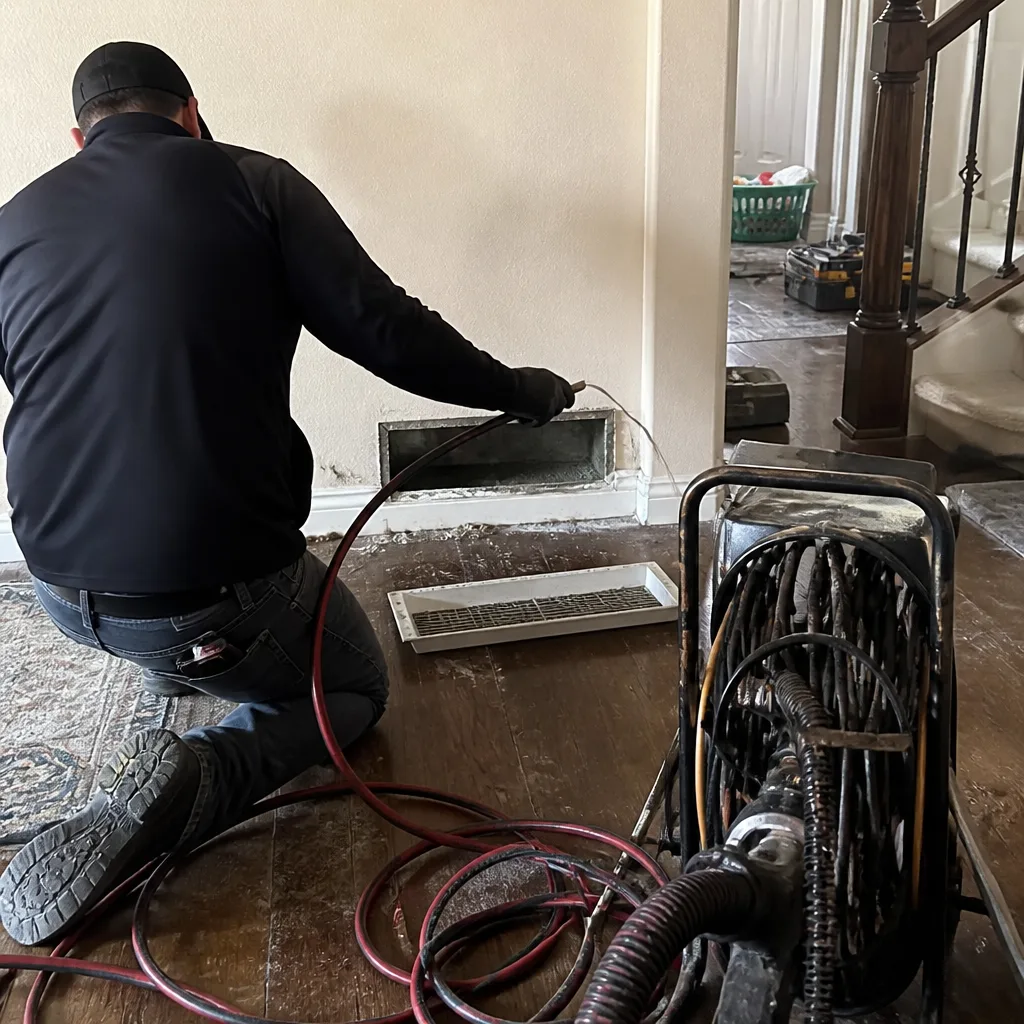 Before
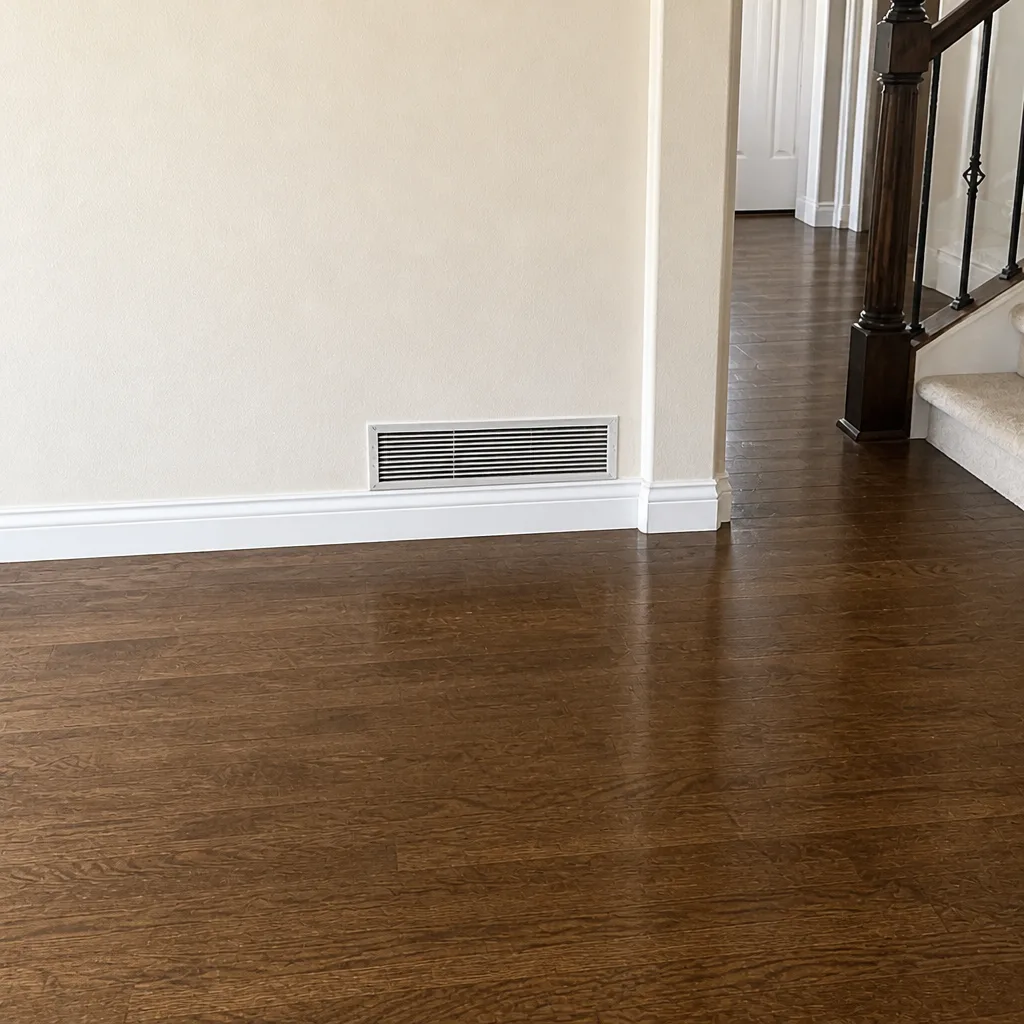 After
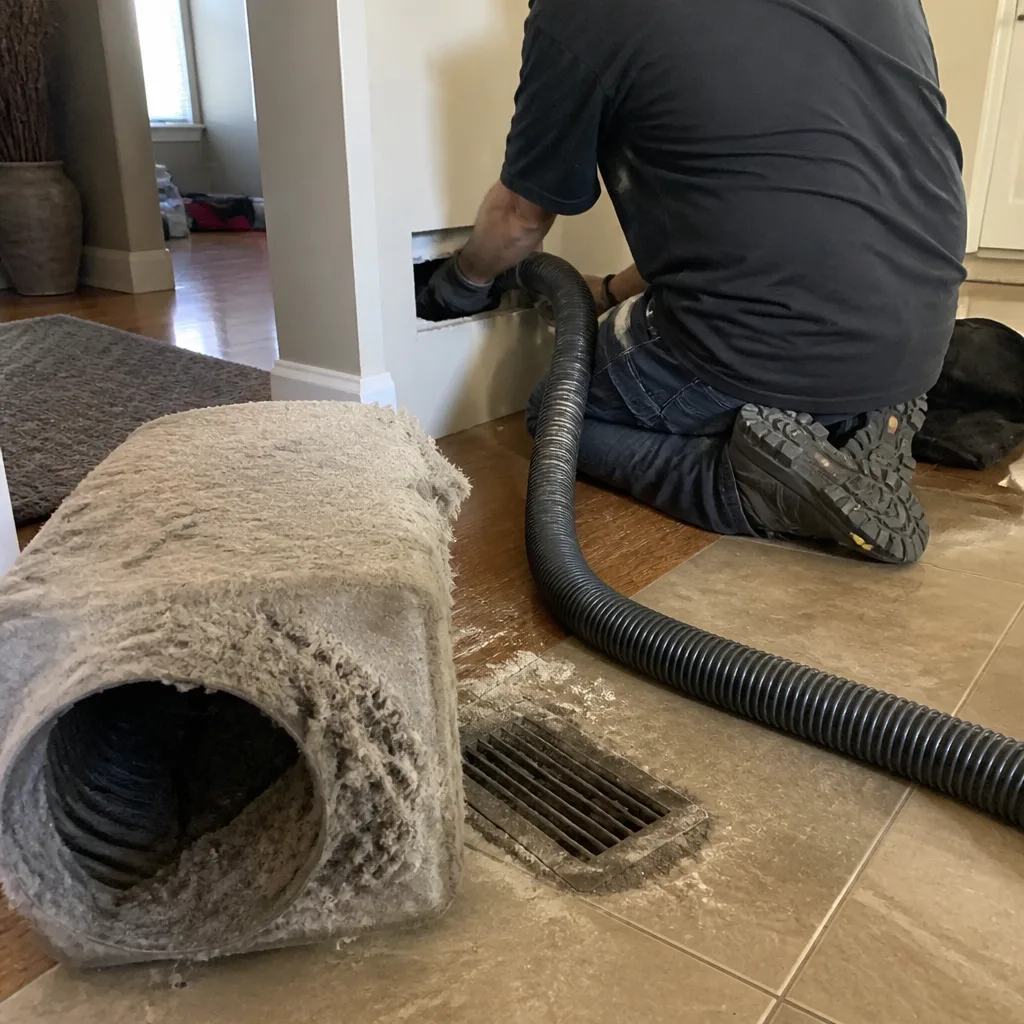 Before
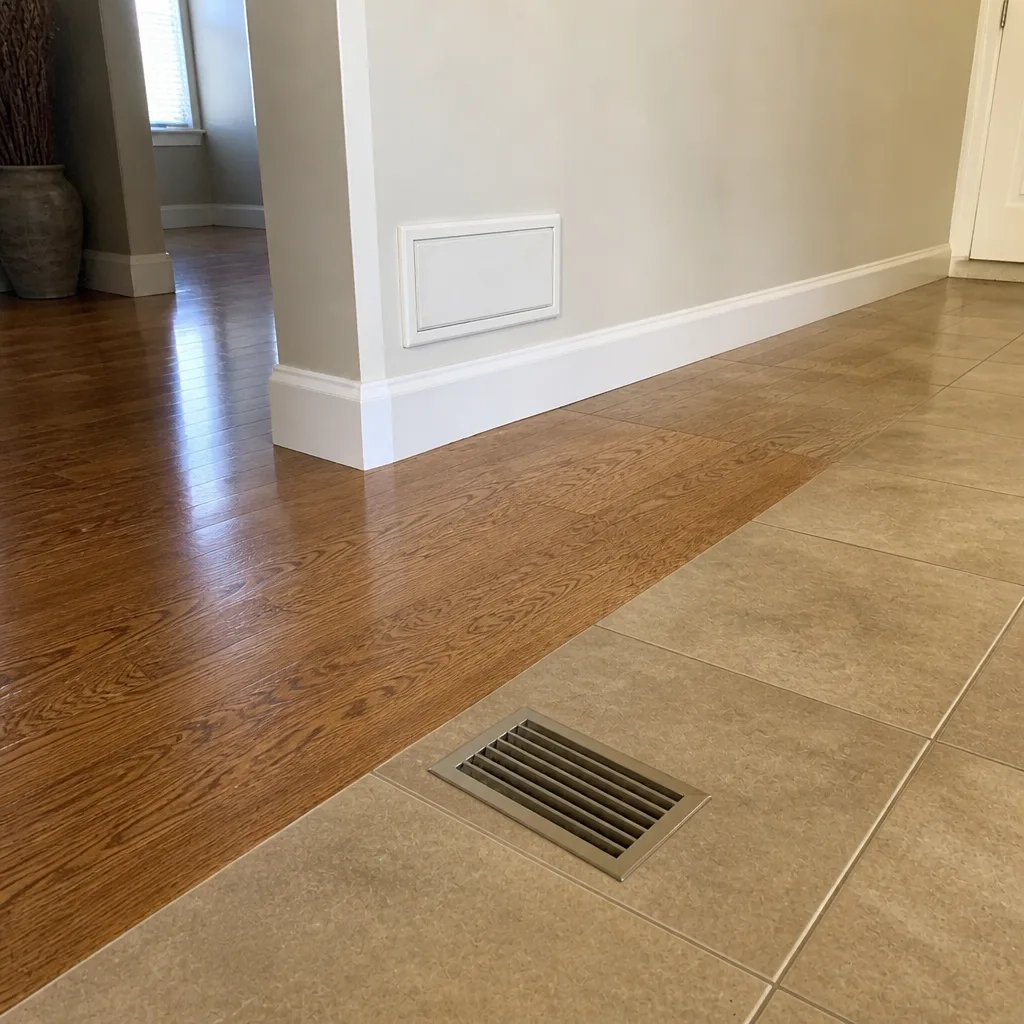 After
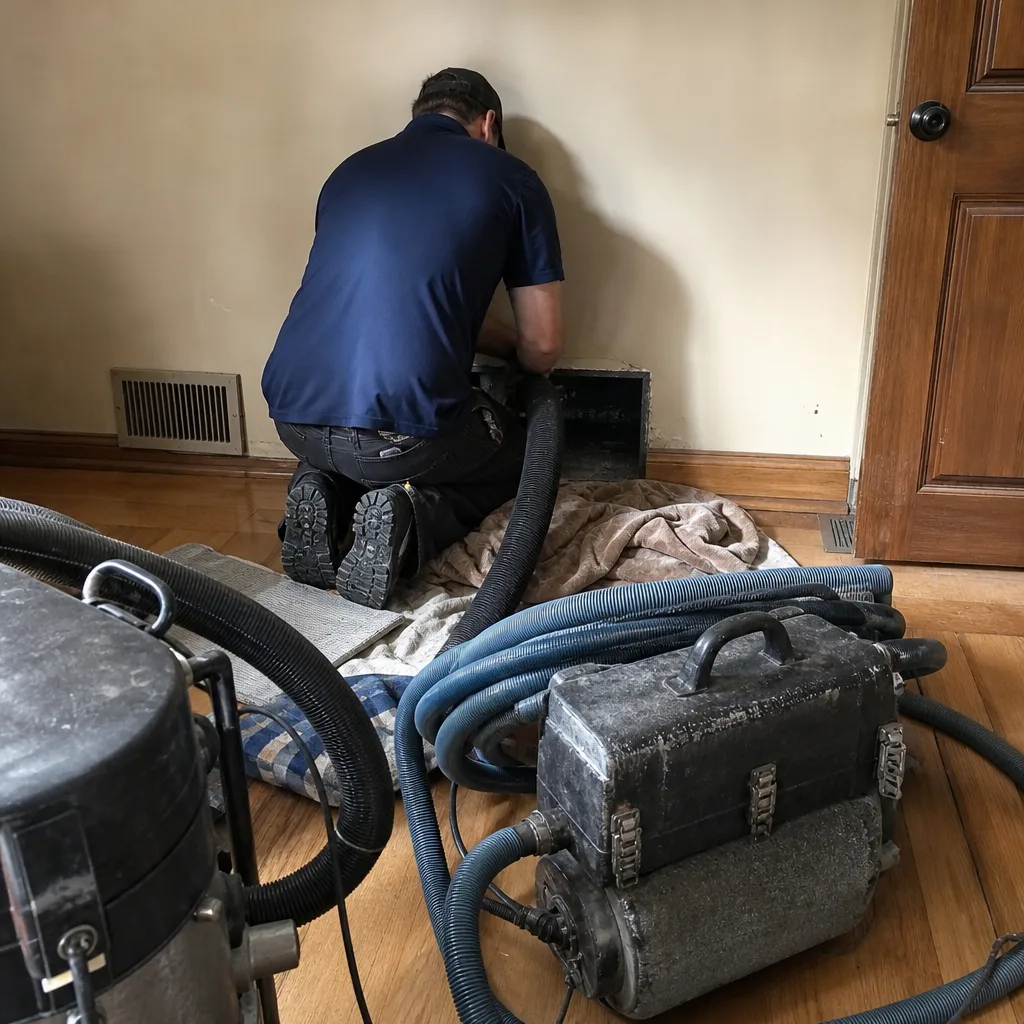 Before
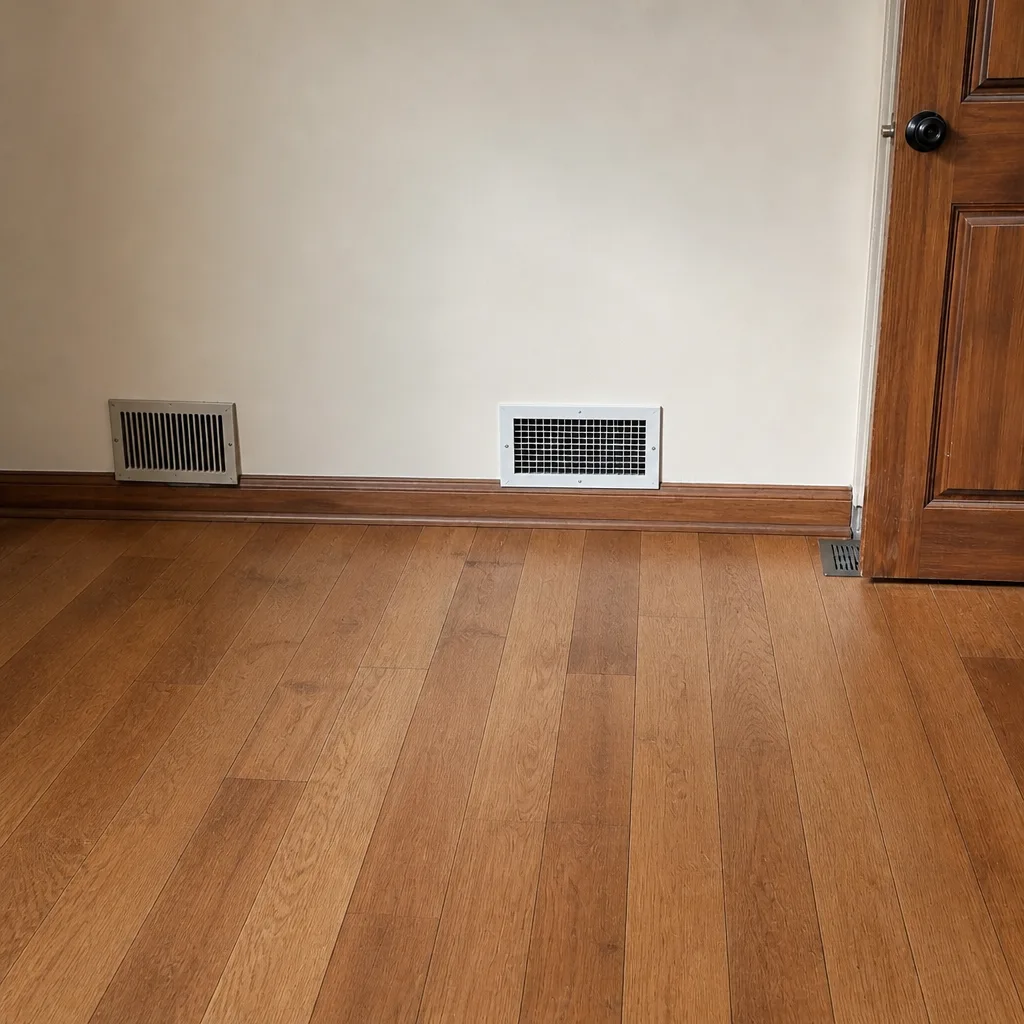 After
Frequently Asked Questions
Air duct cleaning in Washington Park typically costs $350 to $750 for a routine whole-system clean, with remediation-level work running $900 to $1,800 or more depending on what’s verified. The written estimate sets the final price, so you’ll know the total before work starts. Call (866) 947-8103 for an exact quote; estimates are free.
Cheap quotes reflect a different job: a shop vac at the registers rather than source removal with contact brushing and HEPA extraction. That work doesn’t address contamination at the seams, the air handler or the return plenum, which is where the real buildup sits. A low number isn’t a discount, it’s a different scope. Call (866) 947-8103 for a written estimate on a proper whole-system clean; estimates are free.
You know the work was done when you receive before-and-after photos of your own ducts, a written record of equipment used, and a list of components serviced. A verbal “all done” is not verification. Any company doing real source removal should be able to provide that documentation. Call (866) 947-8103 to schedule an inspection; estimates are free.
Most Washington Park homes need duct cleaning every three to five years, but the schedule depends on the home. Homes with pets, heavy carpet, recent renovations or a history of moisture problems need it more often. Homes with tightly sealed newer systems may go longer. An inspection will tell you which category your system is in. Call (866) 947-8103 for a free assessment.
Cleaning removes routine accumulation and heavy debris using negative-pressure extraction and contact brushing. Remediation is what happens when mold, rodent activity, structural damage or post-renovation debris is verified during inspection, and it adds containment, air scrubbing, possible duct replacement and sanitizing. The triggers decide the category, not the homeowner. Call (866) 947-8103 for an inspection that names the category before quoting.
Yes. We cover air ducts, dryer vents, HVAC components, duct sealing and air sanitizing as a combined service, so you don’t have to coordinate multiple contractors for the same system. That full-system scope is what makes a clean last. Call (866) 947-8103 for an estimate covering the whole air path.
The Bottom Line
Air duct cleaning in Washington Park isn’t one service; it’s a spectrum, and knowing which category your system falls into is the difference between a job that fixes the problem and one you’ll pay for twice. Routine accumulation, heavy debris, biological contamination and remediation-level problems each call for different equipment, different chemistry and a different price. The only honest way to quote it is an inspection-led estimate in writing, with documented photos on the way out. If you’ve noticed musty odors, uneven airflow, or rising bills, get an inspection before you buy a clean.
Related Services
What happens when you call
- 1
A real person answersNo phone trees – you reach a local pro.
- 2
You get an upfront price rangeHonest numbers before anyone is dispatched.
- 3
A background-checked tech heads outLicensed & insured, dispatched right away.
- 4
You approve before work beginsNothing starts until you say go.
Get a Free Estimate
Call (866) 947-8103 for a free estimate. We answer 24/7. Fast dispatch from 7am to 7pm, Sunday through Friday. The single flat price per system is agreed in writing before work begins, and every job is documented with before-and-after photos of your own ducts plus a satisfaction guarantee. Air Duct Cleaning Washington Park works with Rotobrush contact-vacuum systems, Nikro HEPA extraction and Abatement Technologies air scrubbers, and offers Honeywell and Aprilaire upgrades for homeowners who want long-term air quality improvements. From cleaning to sealing to sanitizing, the whole air path gets handled in one visit.
Written by the team at Air Duct Cleaning Washington Park.