
Last updated November 25, 2026
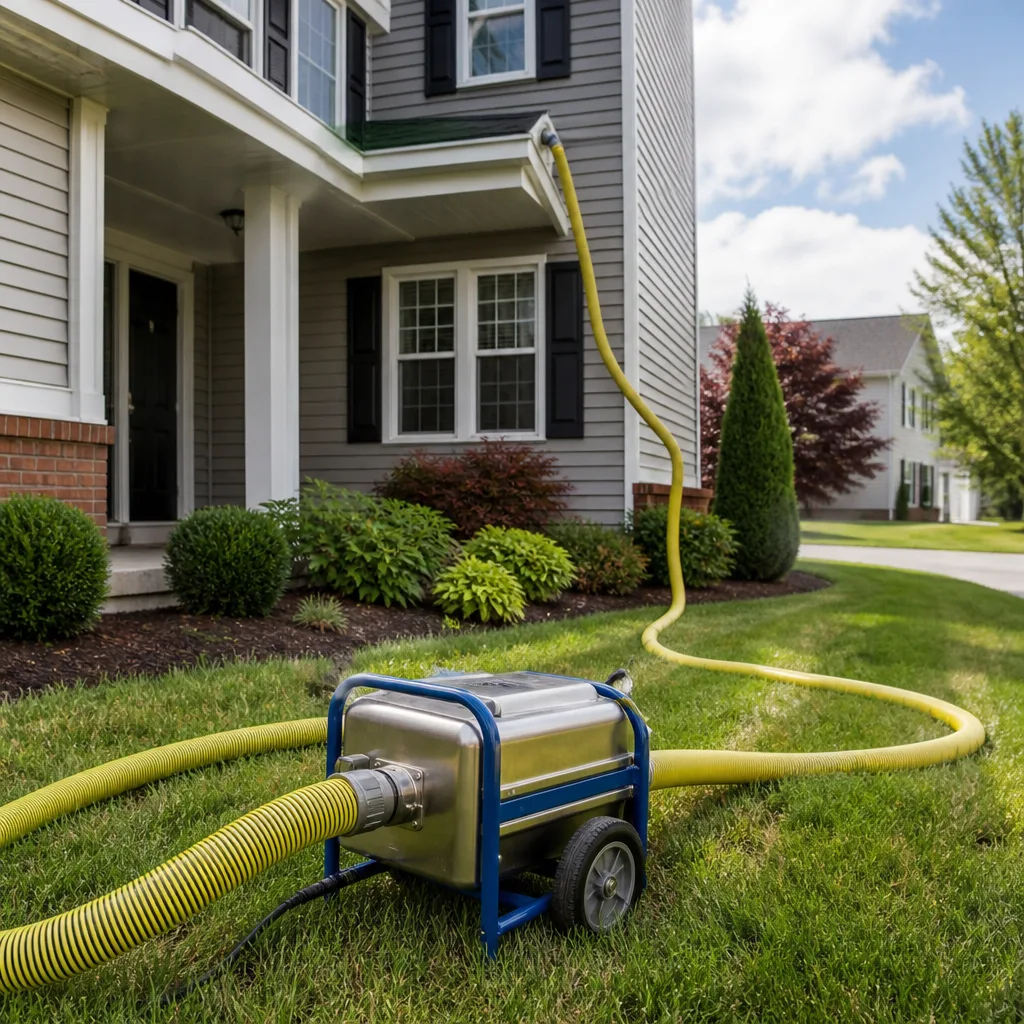 Whole-home duct cleaning
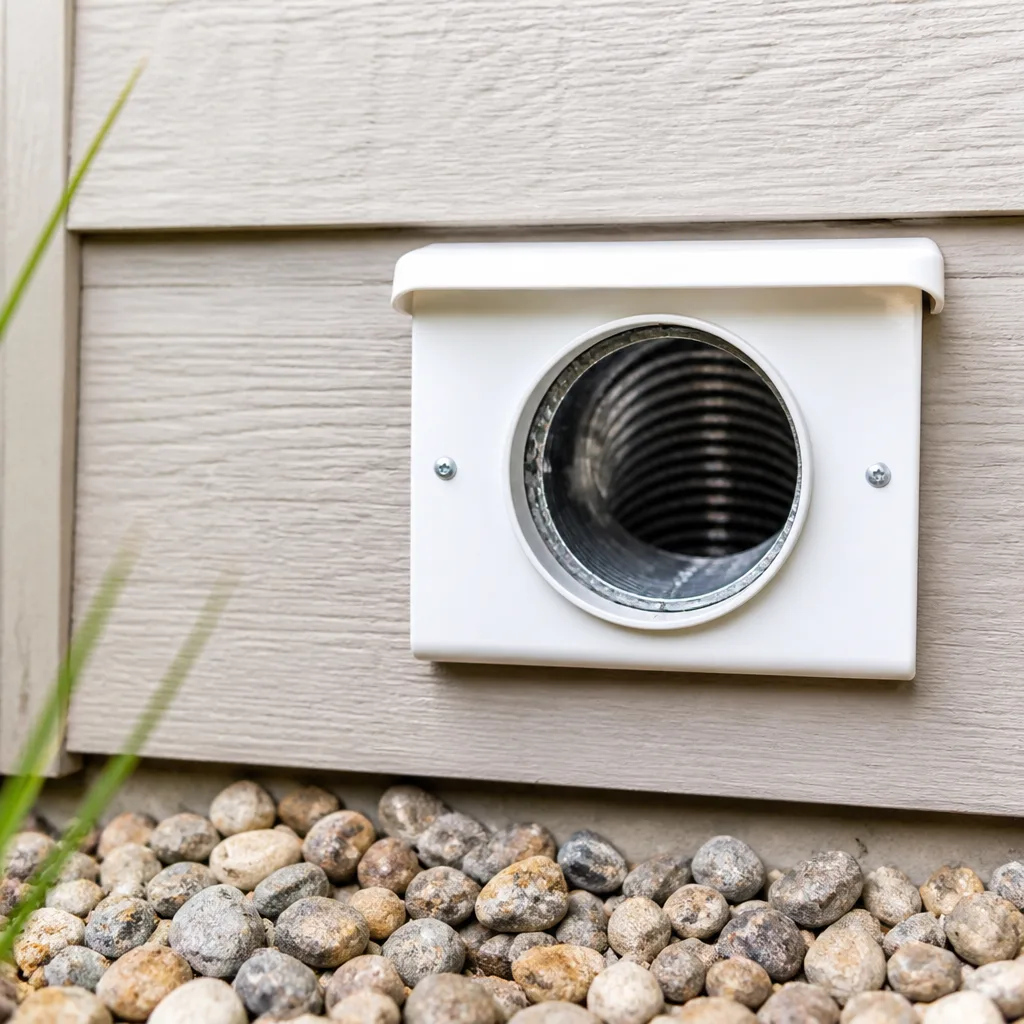 Dryer vent cleaning
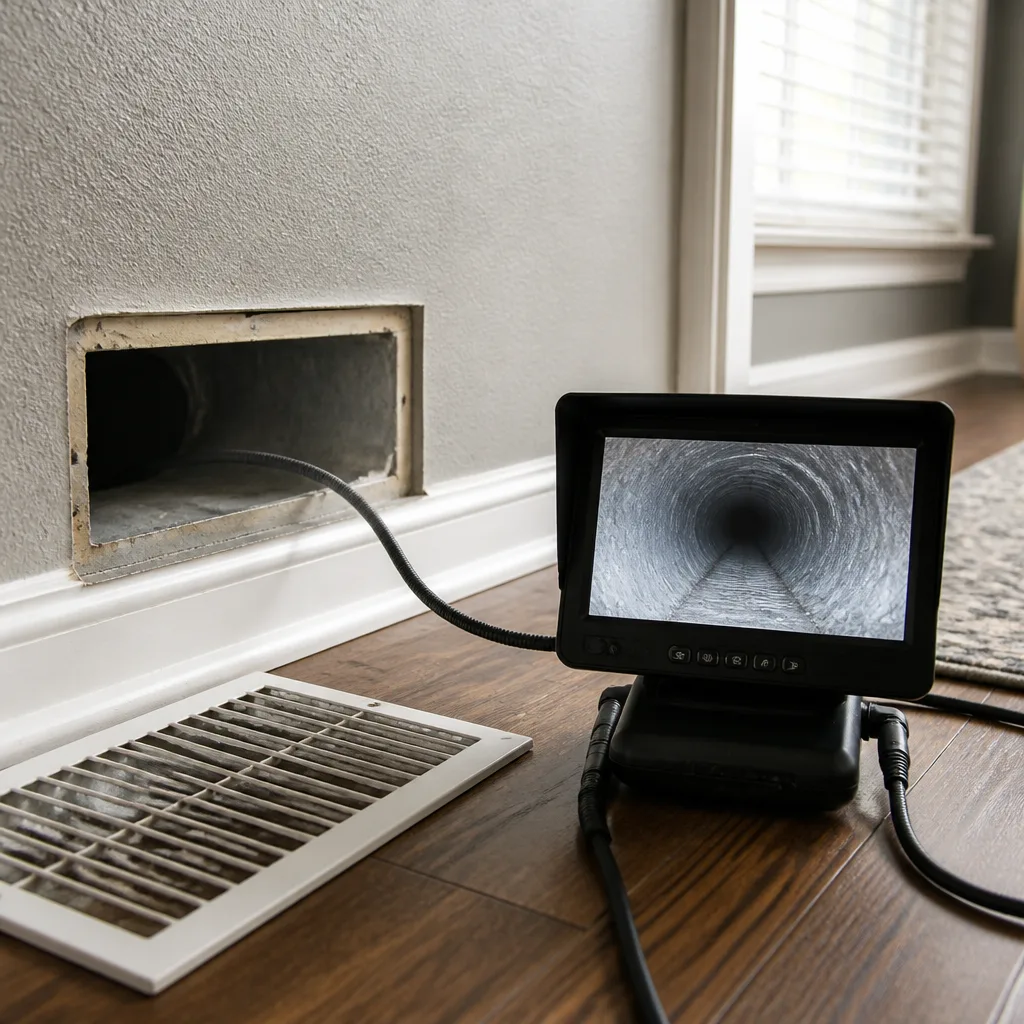 Camera inspection
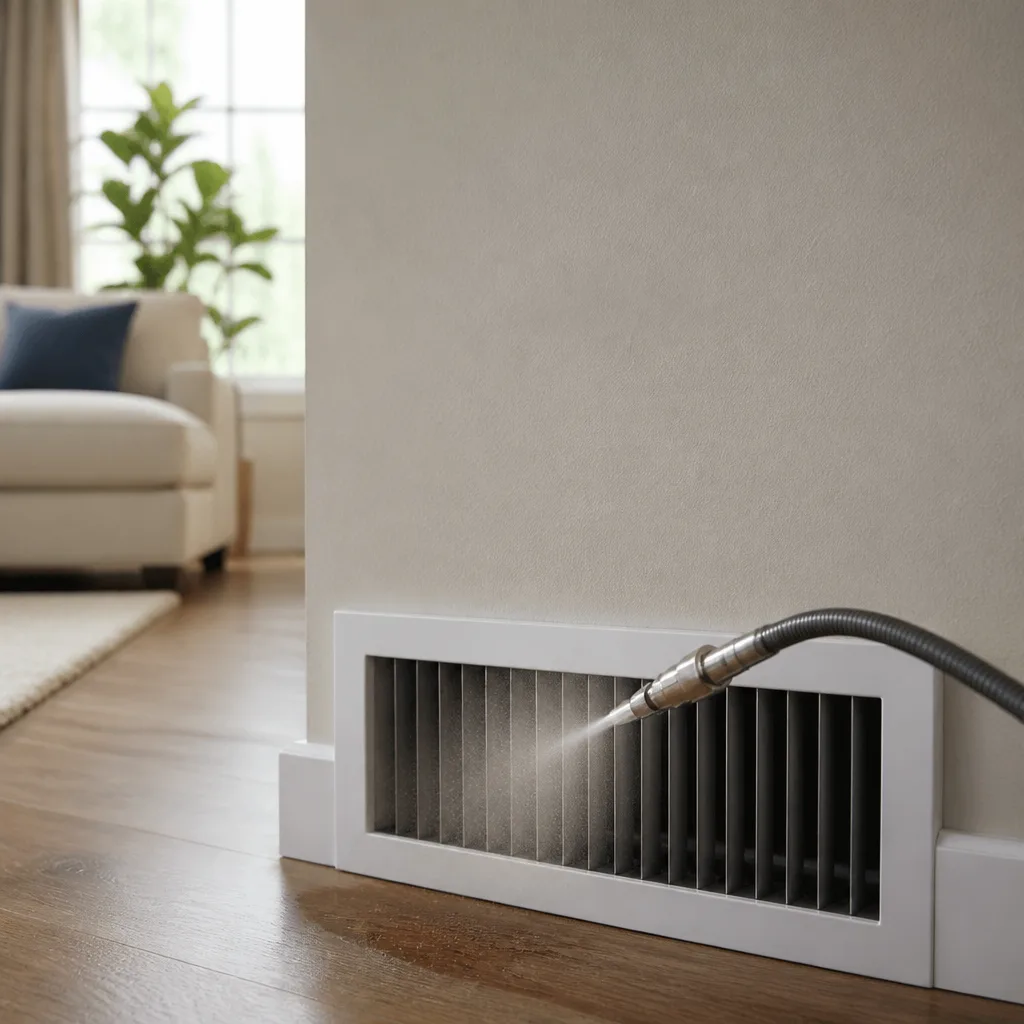 Sanitizing & deodorizing
Whole-system duct and dryer vent check with before-and-after photos - you see exactly what came out of your vents
That "$99 whole-house special" is a bait ad - the real number appears once they are in your hallway, or the "clean" is a shop-vac at the register. We photograph the inside of your ducts before and after instead.
Air Duct Cleaning Troubleshooting in Washington Park: Common Problems and How to Fix Them
If your home still smells musty two days after a professional duct cleaning, the technician may not have done a bad job. They may have cleaned the wrong problem entirely. That’s the counterintuitive truth about most post-cleaning complaints we hear about in Washington Park: what looks like a failed cleaning is usually a diagnostic signal. It’s telling you that contamination sat upstream of where the work happened, that a duct run never got covered, or that a flex line collapsed and nobody checked. This guide teaches you to read those signals the way a technician does, so you can figure out what actually went wrong and what it takes to fix it for good.
Quick Answer
Most air duct cleaning problems in Washington Park trace back to one of four causes: normal dust settling in the first 24 to 48 hours, an incomplete cleaning that missed branch runs or the air handler, a musty odor from microbial growth upstream of the cleaned area, or a structural issue like a disconnected or collapsed duct. Look at your access panels, compare before-and-after documentation, and note whether airflow is now even across rooms. That tells you which of the four you’re dealing with.
Styles & brands we work with
- Whole-home duct cleaning
- Dryer vent cleaning
- Camera inspection
- Sanitizing & deodorizing
Table of Contents
- Post-Cleaning Dust vs. Ongoing Contamination
- Uneven Airflow After a Cleaning: What It Signals
- Why Musty Odors Come Back After a Cleaning
- How to Verify the Cleaning Was Actually Done
- Duct Problems Cleaning Can’t Fix: Leaks, Tears, and Collapses
- When to Call Back vs. When to Get a Second Opinion
- Washington Park Factors That Change the Troubleshooting
Post-Cleaning Dust vs. Ongoing Contamination
Dust on surfaces for a day or two after a duct cleaning is expected. Dust that keeps coming back two weeks later is not. Learning to tell the difference is the first and most useful troubleshooting skill a homeowner can develop.
Here’s why dust appears at all. A cleaning dislodges years of settled debris from duct walls, the supply plenum, the air handler cabinet, and the return side. Some of that fine material becomes airborne during the work and settles across rooms afterward. In a home with standard forced-air heating, this disturbance phase typically runs 24 to 48 hours. Running the system and changing the filter a week later usually settles it.
Ongoing contamination looks different. It shows up in these patterns:
- Dust returns to the same dark streaks within days, especially near supply registers. That suggests debris is still moving through the system.
- Dust is dark gray or black rather than light and powdery, which points to carbon or oil residue from an HVAC cabinet that wasn’t cleaned.
- Dust collects around specific rooms only, which means a branch run wasn’t reached or has a break.
- Dust has a gritty texture and shows up on horizontal surfaces like shelves and sills. That’s a sign of drywall or construction material from the build phase still circulating.
If you’re seeing the second pattern, the cleaning didn’t reach the whole system. That’s a coverage problem, not a quality-of-vacuum problem. Contact-vacuum tools like the Rotobrush line hit the duct walls hard, but only if the technician actually runs them down every branch. A single pass on the trunk line with the branches skipped leaves exactly the symptom you’re seeing.
Uneven Airflow After a Cleaning: What It Signals
One room that’s always cold after a cleaning usually means the branch supplying it is disconnected, collapsed, or was never cleaned. This is one of the most common complaints after a service visit, and it’s also one of the most fixable. Airflow problems don’t happen because of the cleaning, they show up after the cleaning because now the debris that was blocking a partial run has been cleared, and you can see what was always wrong.
Here’s how a technician checks an accessible duct section:
- Locate the air handler and identify every supply and return run leaving the plenum.
- Trace each run from the plenum to its register. In an unfinished basement or crawl space, this is a straight walk. In finished spaces, look for flex duct in soffits and chases.
- Look for sagging flex duct. A flex run with more than a gentle arc collapses under its own weight, and that pinches airflow by a wide margin.
- Check every connection at the plenum and the register boot. Loose collars and torn tape joints leak air into the attic or wall cavity instead of into the room.
- Look for kinks and elbows tighter than the duct is meant to take. Sharp bends on flex are a top cause of low flow to a single room.
- Note the register size and grille. A small register on a long run won’t move air no matter how clean the duct is.
If you can name the rooms with weak airflow, you’ve already narrowed the troubleshooting to those runs. Duct sealing and repair work is often what closes the loop, because a cleaning can only clean a duct that’s still connected to the register. When the run is torn or disconnected, the fix is to repair it, not to clean it again. That’s why we treat cleaning and sealing as one job, not two.
Why Musty Odors Come Back After a Cleaning
A musty smell that returns within a few days of a cleaning almost always means microbial growth is living somewhere the cleaning didn’t reach. The most common locations are upstream of the coil, inside the air handler insulation, on the evaporator coil itself, and in the return duct in a humid spot. Mechanical cleaning dislodges visible debris, but if mold or bacterial growth has taken hold in the insulation or on wet surfaces, clearing the surface doesn’t clear the growth.
In the Colorado Front Range climate, this pattern usually shows up in the summer cooling season, when humidified or cooled air passes through a cold coil and the downstream surfaces stay damp. It also shows up in homes with a humidifier running in the heating season and in basements with poor ventilation. Washington Park’s older homes, particularly those with ductwork retrofitted into a basement or crawl space, are a frequent site for this because those spaces hold moisture.
Fixing it takes more than a second cleaning pass. It requires:
- Inspection with a camera scope to find the exact location of the growth, whether in the coil, the plenum, or a return run.
- Containment. An air scrubber like the Abatement Technologies units we use keeps debris and spores out of the living space during the work. In contamination cases, this is not optional.
- HEPA extraction. Nikro HEPA systems capture fine particles that a standard vacuum sends back into the room.
- Sanitizing treatment applied to the surfaces where growth was found, not just fogged into the airstream and called done.
- Moisture control so the problem doesn’t come back. A Honeywell or Aprilaire filtration or humidity product installed at the same time is often what stops the cycle.
Mechanical cleaning alone doesn’t remove microbial contamination from a damp coil. The scrubbing has to reach the growth, and the conditions that let it grow have to be controlled afterward. That’s the step most basic duct cleaners skip, and it’s why the smell comes back.
How to Verify the Cleaning Was Actually Done
You can verify a duct cleaning in about ten minutes without special equipment. Look at the access panels, check whether before-and-after photos exist, and confirm whether the air handler itself was opened and cleaned. If a company can’t show you any of that, the cleaning may have been limited to the registers and the trunk line.
A properly documented job leaves visible evidence. Here’s what to look for:
- Access panels. A full cleaning requires cutting access into the trunk and sometimes into individual runs. If there are no new access panels and no existing panels that were opened, the technician didn’t get inside the duct.
- Photos taken before and after. Any system built for professional work should produce documentation. If you don’t have before-and-after images of your own ducts, ask for them. A company that runs Nikro and Rotobrush equipment should be able to show what it found inside each run.
- The air handler cabinet. The blower compartment and coil case should show signs of cleaning. If dust is still caked on the inside of the cabinet door, the cleaning was partial.
- The filter and filter slot. A new filter is standard practice. The slot around it should be clean and free of dust trails leading around the filter.
- Debris haul-off. A real cleaning produces a bag or container of collected material. You shouldn’t have to ask where it went.
- Containment. If no scrubber or negative-pressure setup was used, dust was almost certainly blown into the living space during the work.
The negative-pressure test matters. In a properly set up job, a contact vacuum and containment arrangement keeps the system under slight negative pressure so debris leaves the ducts and doesn’t redistribute. If your home looked like a dust storm while the work was happening, or if the technician never set up containment, the job wasn’t run to professional standard. We show you what we find, and that includes showing you the inside of the system before and after.
Duct Problems Cleaning Can’t Fix: Leaks, Tears, and Collapses
Some of what looks like a cleaning failure is actually a duct problem that existed before the cleaning and still does after it. A torn flex run in the attic, a disconnected collar at a plenum, a crushed return under a floor joist: none of these care how clean the duct is. Airflow, energy loss, and dust intrusion all trace back to these breaks, and scrubbing a duct wall doesn’t close a gap.
These problems show up in the following ways:
- A room that never gets warm or cool, even when the register is open and the system runs.
- Dust in the attic or crawl space, or insulation discoloration near a duct run. That’s a leak pushing air into the cavity.
- Higher energy bills with no other explanation, since a leaking supply duct is dumping conditioned air into an unconditioned space.
- Whistling or a rush of air from a register that’s stronger than it should be. That means the run got shortened by a break and all that air is coming out one register instead of two.
- A visible sag or kink in flex duct in any accessible space.
Repair and sealing work addresses the root cause. The technician finds the break, repairs or replaces the run, and seals the connections at the plenum and the register boot. That’s the step that turns a clean duct into a functioning one, and it’s why we do the repair work in the same visit as the cleaning rather than sending you to a separate contractor. A duct that’s clean but leaking still wastes energy and still pulls dust in from the attic.
When to Call Back vs. When to Get a Second Opinion
Call the original company back if the problem is a missed room or a visible mess. Get a second opinion with a camera scope if the problem is an odor, a health concern, or a coverage question the original company can’t document.
Here’s how to decide:
- Call the original company if the issue is dust that hasn’t settled after 48 hours, a register that was missed, or a cleanup problem in the living space. These are legitimate callback items, and a professional company will want to know.
- Call the original company if you have no before-and-after photos and want them. A good company has them and will send them.
- Get a second-opinion inspection if you’re getting musty odors after 72 hours, if anyone in the home is having allergy or respiratory symptoms that started after the cleaning, or if the original company can’t tell you which runs they cleaned.
- Get a second-opinion inspection if you were told the ducts were fine, but airflow still doesn’t reach a room. That’s a structural question a camera scope can answer.
- Get a second-opinion inspection if the original quote was per-vent and the final bill was much larger. That escalation pattern is a sign the original process wasn’t scoped per system.
A camera-scope inspection documents what’s actually inside the duct. It’s cheap compared to guessing, and it settles arguments about whether the cleaning reached a particular run. If you’re in Washington Park and unsure whether you need a callback or a new set of eyes, an inspection answers that question in about an hour.
Washington Park Factors That Change the Troubleshooting
The housing stock and climate around Washington Park add specific twists to duct troubleshooting that homeowners elsewhere don’t see. Most of the neighborhood’s homes were built before modern ductwork standards, and many of them have had systems added, extended, or converted from older heating methods. That history shows up in how the ducts are run and how they fail.
Two factors matter most:
- Retrofitted ductwork. A home that started with radiators or a single furnace and later had forced air added often has flex runs routed through tight chases, dropped soffits, and closed wall cavities. Those runs are hard to reach, easy to crush, and easy for a cleaning to skip. In these homes, airflow troubleshooting usually starts with checking the visible runs in the basement or crawl space.
- Dry Front Range air with a wet cooling season. The heating season here is dry, so ducts collect a light, powdery dust that’s easy to clean. The cooling season runs humid because the coil is wet, and that’s when microbial growth takes hold. If your musty smell shows up in July or August, that’s the pattern. A sanitizing step with proper containment is what fixes it, not another mechanical pass.
Washington Park also sees a lot of older homes with chimney flues and returns routed near them, which can pull in soot or basement air if the return isn’t sealed. That’s why duct sealing is part of the troubleshooting conversation in Washington Park, not a separate service. If a return is drawing from a damp basement or a flue chase, sealing it changes the air quality in the whole house.
Common Mistakes to Avoid
- Assuming dust means the cleaning failed. Dust for 24 to 48 hours after a cleaning is normal and expected. Give the system a week and change the filter before you call it a problem.
- Booking on a per-vent price. A per-vent quote rewards the company for counting vents and penalizes you for wanting the full system cleaned. Whole-system pricing with a written estimate is the only structure that gets the plenum, air handler, and every branch covered.
- Treating a musty odor with another cleaning pass. If the growth is on the coil or in the air handler insulation, a second mechanical cleaning won’t fix it. You need camera inspection, containment, and sanitizing.
- Skipping the air handler. The blower cabinet and coil are where a lot of the debris and microbial growth live. A cleaning that stops at the ductwork misses the biggest source.
- Not asking for before-and-after photos. In a home where the ducts are behind walls and under floors, photos are the only way you’ll ever know what was inside. Ask for them before the job, not after.
- Cleaning without addressing leaks. A duct that’s clean but leaking pulls attic or crawl space air back into the system within a season. Repair and sealing belong in the same visit.
- Ignoring dryer vents. In a Washington Park home with an older vent run, lint buildup in a long, sagging run is a fire hazard and a common cause of “the dryer isn’t working right.” It’s a separate system from the HVAC ducts, and it needs its own inspection.
See the difference
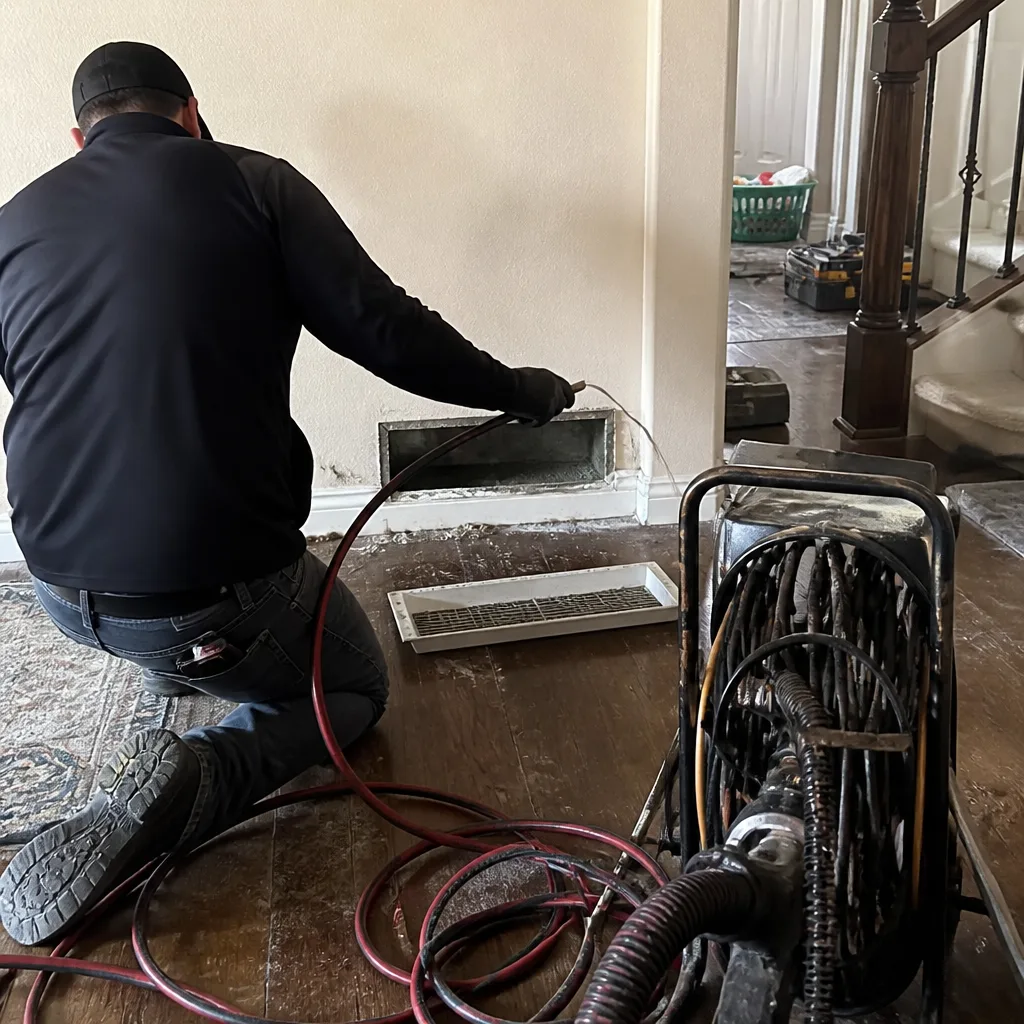 Before
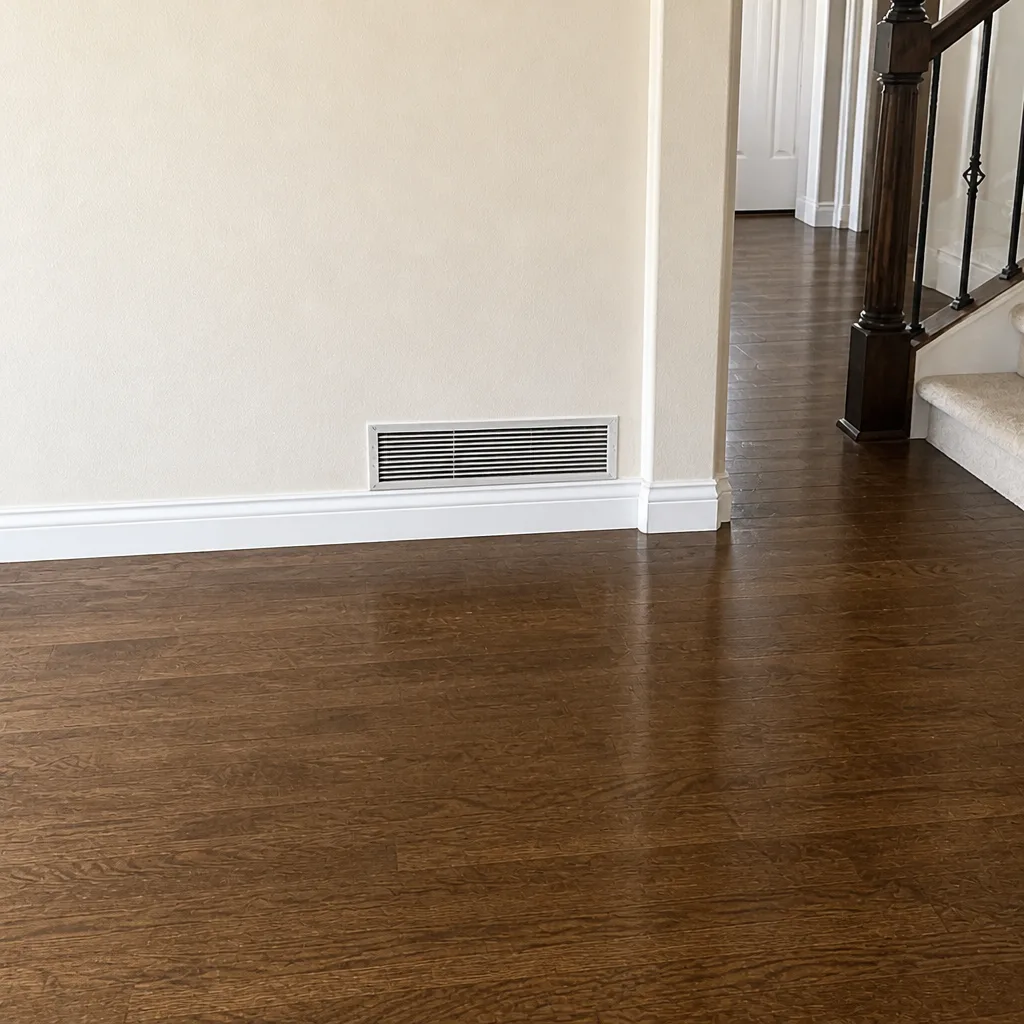 After
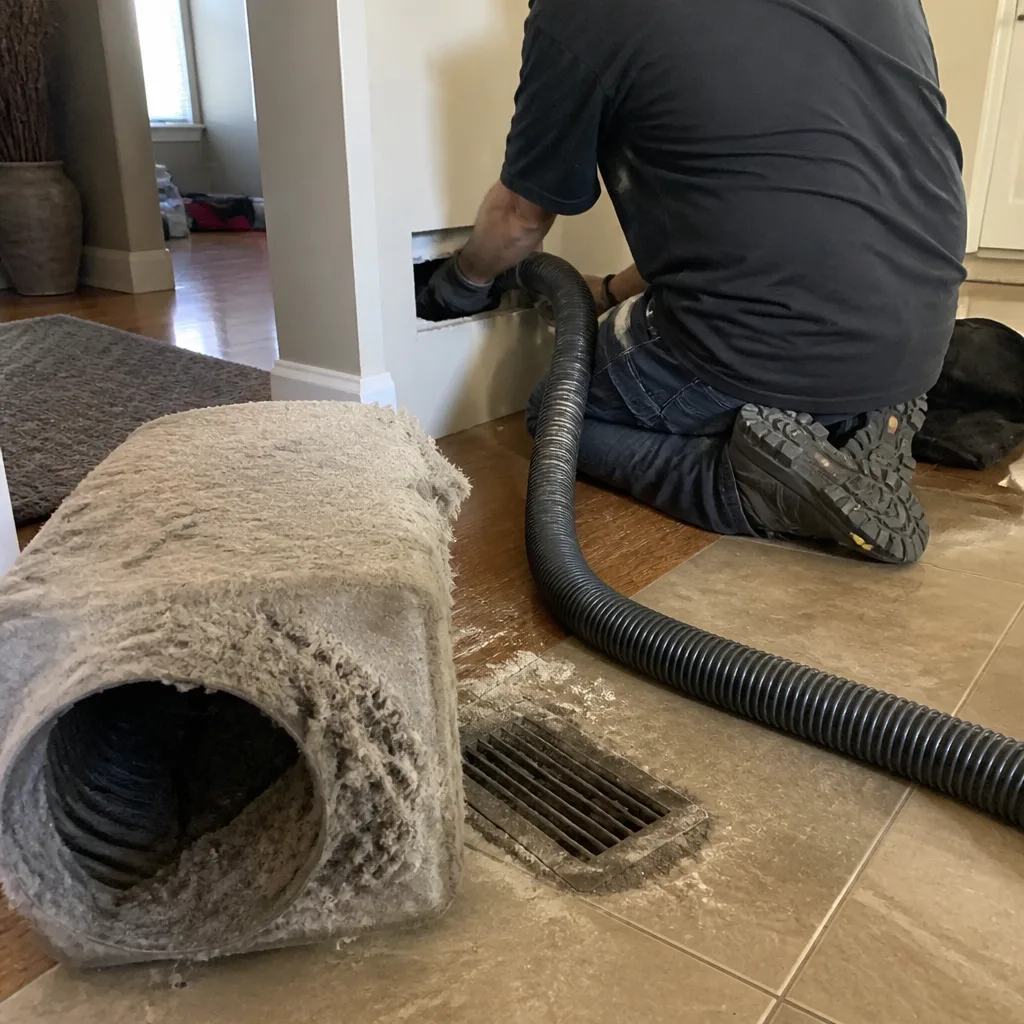 Before
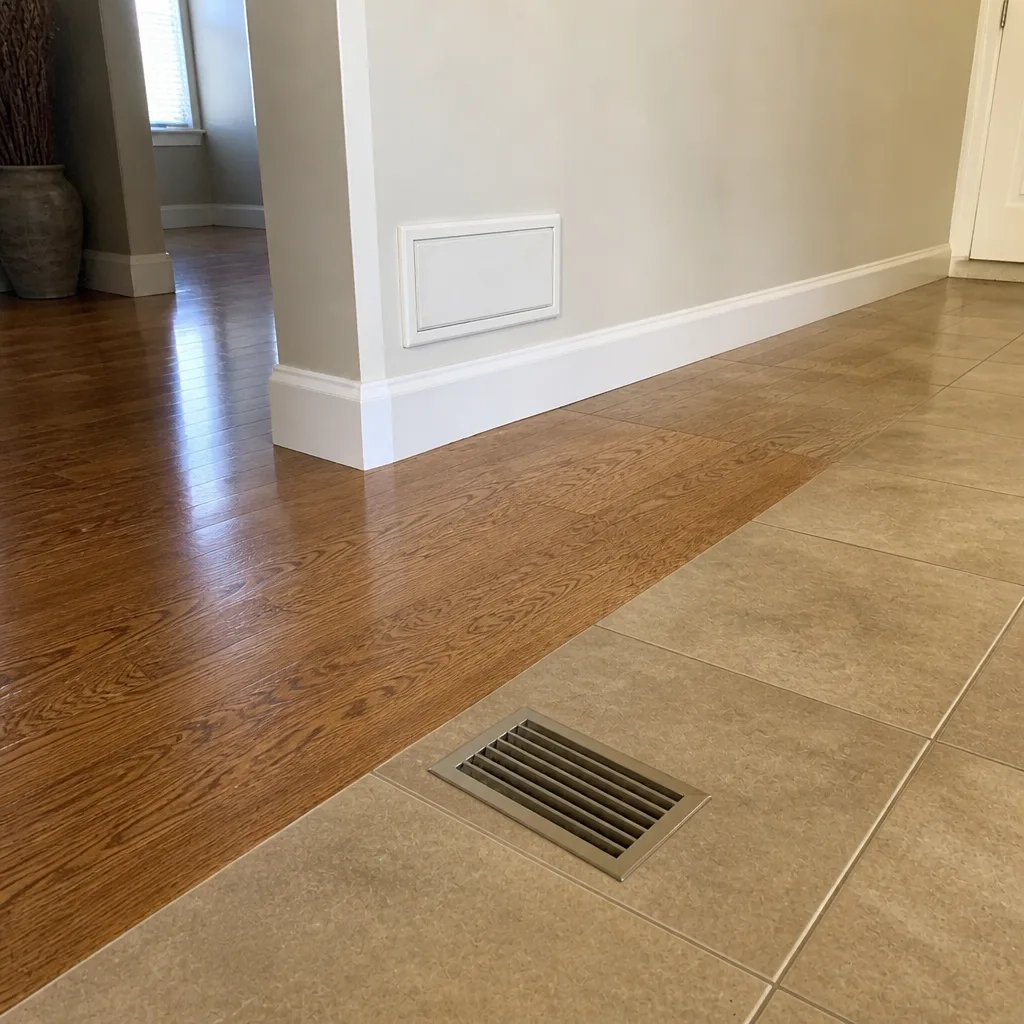 After
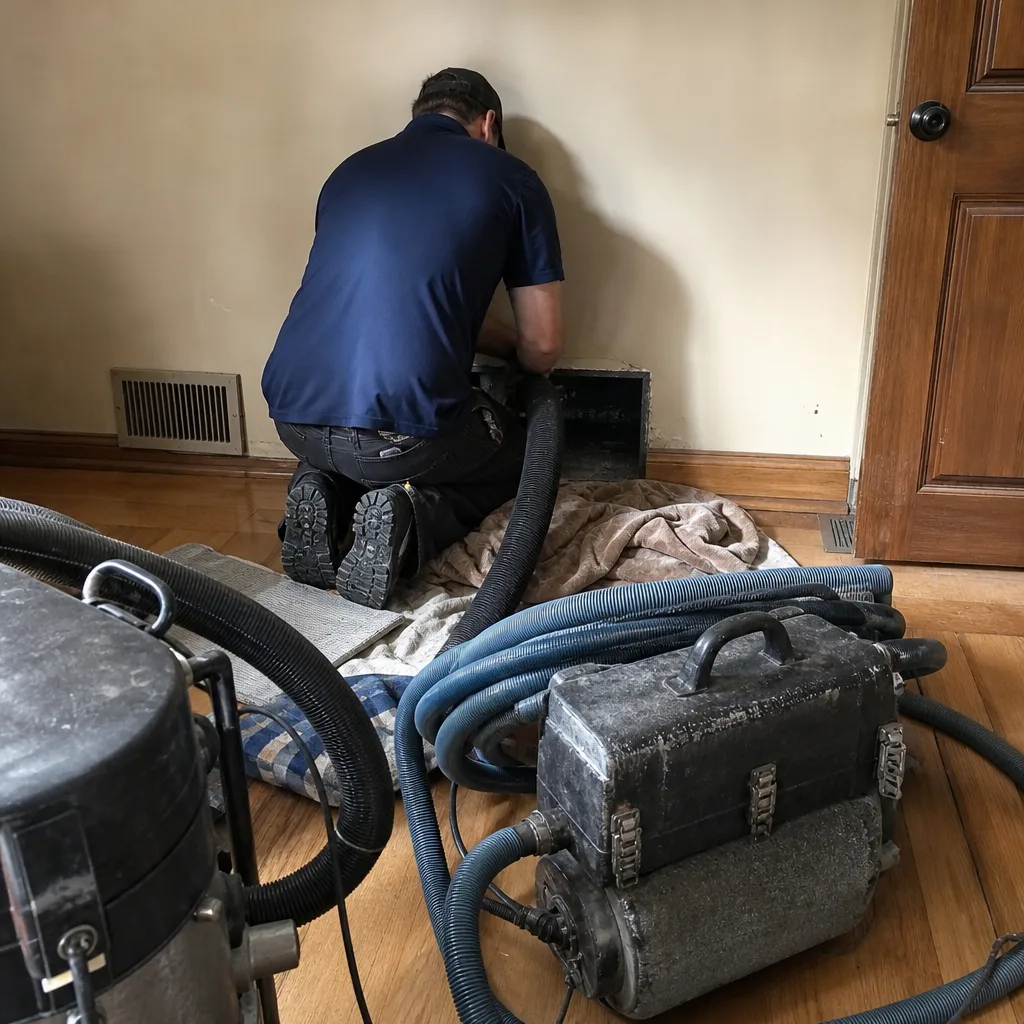 Before
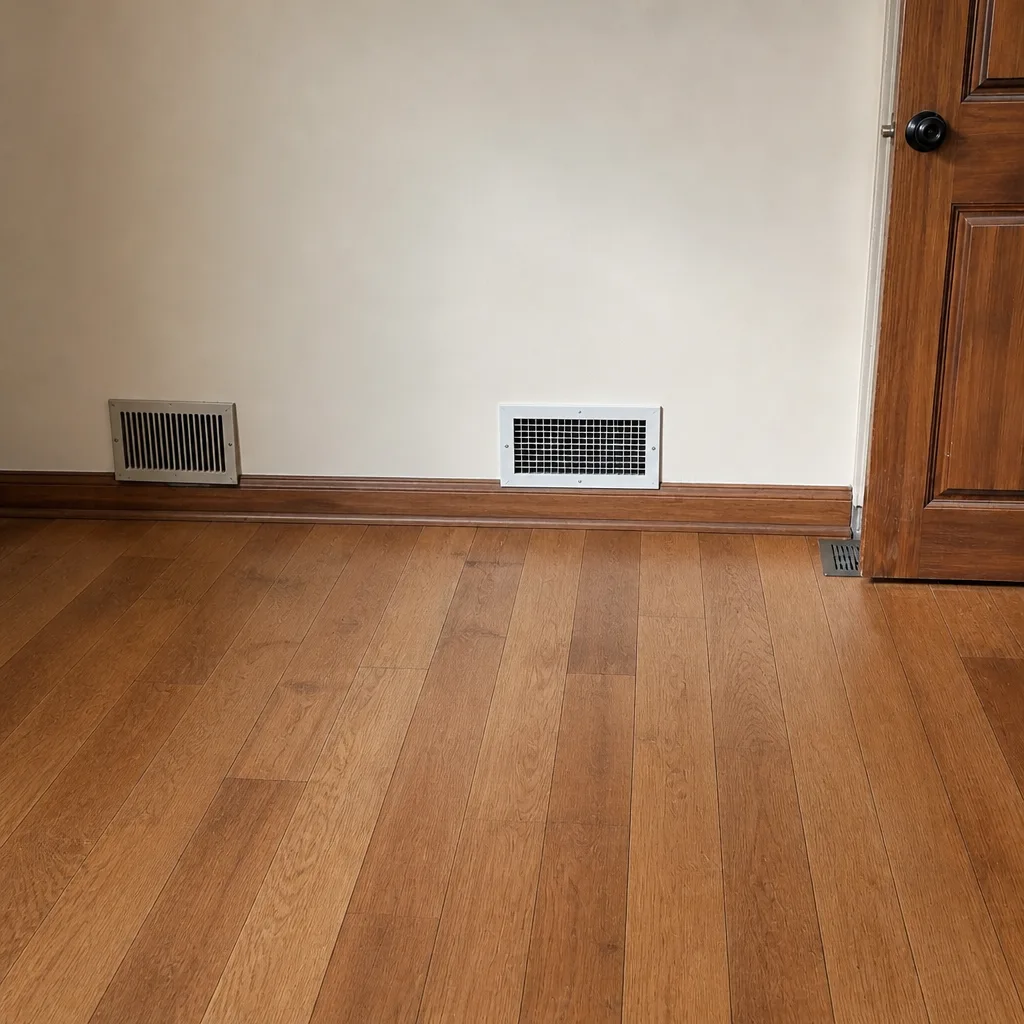 After
When to Call a Professional
Call a professional if the musty odor returns after 72 hours, if airflow is weak in a room that used to be fine, if you can see a torn or sagging duct in the basement or attic, or if a cleaning was done without access panels or documentation. Call us as well if you’re managing a rental and need a written record of the system’s condition. Air Duct Cleaning Washington Park offers free estimates in Washington Park. Call (866) 947-8103. We answer 24/7, and fast dispatch runs from 7am to 7pm, Sunday through Friday. Our technicians have up to 9 years of experience, and every job is quoted per system with a written estimate before work starts.
Frequently Asked Questions
You know it was done properly if you have before-and-after photos of your own ducts, the air handler cabinet was opened and cleaned, and access panels were cut or opened at the trunk. If none of those exist, the cleaning may have covered only the registers and part of the main trunk. Call (866) 947-8103 for a free second-opinion estimate.
A musty smell after a cleaning usually means microbial growth is living upstream of where the technician worked, often on the evaporator coil or in the air handler insulation. Mechanical cleaning doesn’t kill it. Fixing it takes a camera inspection, containment with an air scrubber, HEPA extraction, and sanitizing. Call (866) 947-8103 for a free estimate.
Yes, for 24 to 48 hours. A cleaning dislodges fine debris that becomes airborne and settles across rooms. Change the filter after a week and the dust should mostly stop. Dust that keeps returning in the same spots means the cleaning didn’t reach the whole system. Call (866) 947-8103 to talk it through.
Air duct cleaning in Washington Park is priced per system, and the written estimate you get before work starts is the price you pay. Per-vent pricing is the structure that produces surprise invoices, so we don’t use it. Call (866) 947-8103 for a free estimate.
Cheap quotes usually come from companies using consumer-grade vacuums, skipping the air handler, and pricing per vent so the cost climbs once they’re inside. Professional-grade Rotobrush and Nikro equipment, containment, and a full-system scope cost more to run. Call (866) 947-8103 for a free estimate that covers the whole system.
Most Washington Park homes do fine with a cleaning every few years, sooner if there are pets, recent remodeling, or allergy symptoms. Homes with a musty odor or visible dust around the registers need an inspection first, since the problem may be structural. Call (866) 947-8103 for a free estimate.
The Bottom Line
Most post-cleaning duct problems are diagnostic signals, not failed jobs. Dust that stops after two days is normal. Dust that keeps returning means a run was missed. A musty odor means the growth was upstream of the cleaning. Weak airflow means a duct is collapsed, disconnected, or leaking. Read those signals, verify the work with access panels and photos, and fix the root cause with repair and sealing rather than another cleaning pass. That approach is what a proper diagnosis is built for, and it’s how we handle every Washington Park job.
Ready to find out what’s actually going on inside your ducts? Call Air Duct Cleaning Washington Park at (866) 947-8103 for a free estimate. We answer 24/7, with fast dispatch from 7am to 7pm, Sunday through Friday. We’ll bring the full system into the conversation: air duct cleaning, dryer vent cleaning, HVAC cleaning, air duct cleaning in Washington Park, duct repair and sealing, and air quality sanitizing, all under one service provider. Professional-grade equipment, one flat price per system agreed before work starts, and before-and-after photos of your own ducts.
Written by the team at Air Duct Cleaning Washington Park.